

Deschamps’ Delicate Dance: France Unveils World Cup Squad Amidst Ghosts of Glory and Global Grumbling
POLICY WIRE — Paris, France — The champagne corks are usually flying in Paris, not buried under a mound of football jerseys, but then again, the pressure of expectations isn’t usually quite...

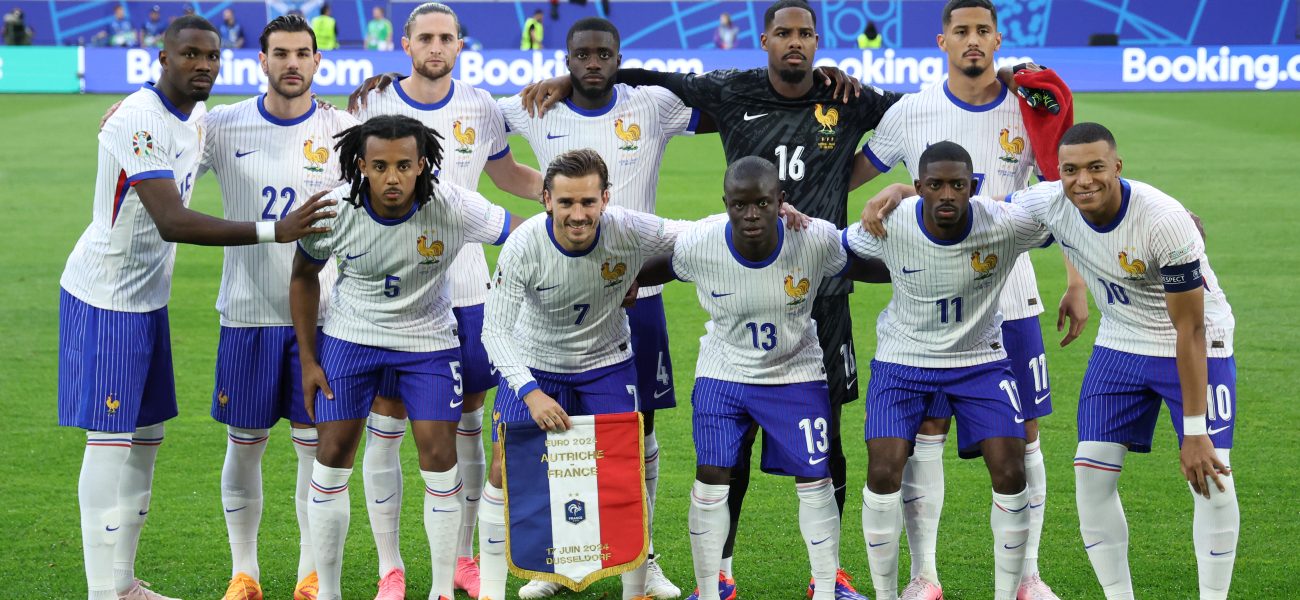
POLICY WIRE — Paris, France — The champagne corks are usually flying in Paris, not buried under a mound of football jerseys, but then again, the pressure of expectations isn’t usually quite this heavy. Long before most national federations even begin their hand-wringing over provisional rosters, France—two-time champions and eternal contenders—just dropped its 26-man list for the 2026 World Cup. It’s an announcement that feels less like a simple selection and more like the unfurling of a national standard, demanding both fealty and fear from a world that remembers their last final too well.
Didier Deschamps, a man whose face permanently wears the faint etchings of a thousand tactical dilemmas, made his choices public. You could almost feel the collective intake of breath across a nation obsessed with its sporting prowess, simultaneously hoping for redemption and dreading another stumble. The lineup, heavy with established stars but sprinkled with some newer, less tested names, suggests a coach trying to walk that tightrope between known quantities and future potential. And the entire globe is watching, of course.
It’s not just about football; it rarely is for a country like France. “Every selection’s a gamble, isn’t it?” Deschamps remarked to reporters, his tone a mix of weary resolve and thinly veiled defiance. “But we’ve picked the boys who know what it means to wear this shirt, what it means to stand for France. We’re not just playing football; we’re carrying hopes—and burdens.” He’s not wrong. For many, especially in a politically fractured nation, the team’s performance can become a temporary, unifying balm—or a searing reminder of discord. It’s a huge amount to ask of a few dozen athletes, isn’t it?
Consider the economic currents stirred by such an event. Football, after all, isn’t just a game; it’s a colossal industry. Billions hang in the balance, from broadcasting rights to merchandising, even tourism. FIFA’s last report confirmed the 2022 World Cup final pulled in an astounding 1.5 billion unique viewers globally, highlighting football’s unmatched economic reach. Every single goal scored, every penalty saved, it’s all part of a monstrous global value chain. Think about that next time you watch a corner kick. It’s big business. Really big.
But the team also acts as a cultural ambassador. Take Pakistan, for instance, a nation steeped in cricket tradition, where European football — particularly the glamour and rivalries of leagues like France’s Ligue 1 or England’s Premier League — draws an immense following. From bustling Karachi cafes to remote village homes, young men and women gather, often into the early hours, to watch these heroes perform. The French team, with its diverse roster reflecting a multicultural nation, often finds an unexpected resonance in places like Islamabad or Lahore, where discussions about their form or key player absences can be as intense as local political debates. They’ve found a cultural common ground there.
The Ministry of Sports knows this. A government official, speaking on background before the announcement, perhaps reflecting official sentiment, offered, “This team represents more than just sport; it’s our collective spirit. A strong run isn’t just good for morale, it’s good for business, a genuine global soft power play.” It’s the sort of statement that reveals just how deeply politics and identity are intertwined with the athletic narrative. They aren’t just sending footballers; they’re sending envoys. It’s a calculated gamble.
📄 POLICY WIRE WHITEPAPER PUBLISHED: PAKISTAN'S NATIONAL SECURITY POLICY PRIORITIES
👉 READ BY CLICKING HERENow, some analysts are scratching their heads over a couple of selections, or more accurately, some omissions. Whispers abound about certain established figures being left out in favor of up-and-comers. Deschamps has always been a pragmatist, favoring squad cohesion and disciplined tactics over flamboyant individualism—sometimes to the chagrin of the French press, who adore a good controversy. But then again, his track record speaks volumes. He’s won the thing before, hasn’t he? That buys you a little leverage.
Ultimately, this squad list isn’t just names on a page. It’s a strategic declaration, a public trust, and for many in the farthest reaches of the Muslim world, another team to champion—or perhaps, respectfully critique. The journey to North — and Central America for the 2026 tournament will be a long one. And it all begins with these 26 men, tasked with recapturing a glory that, for a few agonizing minutes last time, felt all but assured.
What This Means
France’s early squad declaration signals more than just organizational efficiency; it underscores the country’s strategic intent to project stability and strength on the global stage. Domestically, a successful World Cup campaign can momentarily quell social unrest, boost national morale, and even distract from tricky political decisions, offering a unifying narrative that few other national endeavors can. Consider the unifying effect of major sporting successes; they’re worth their weight in political capital. Economically, a deep tournament run generates a surge in consumer spending on everything from jerseys to late-night snacks, benefiting domestic businesses. And let’s not forget brand France: positive international exposure enhances its appeal in trade, tourism, and diplomatic efforts. But, you see, a poor showing? Well, that could exacerbate existing frustrations, leading to public disillusionment with the sport—and potentially, the institutions that manage it. It’s high stakes, all of it. A strong team is a good investment, a calculation in sporting perfection that resonates beyond the pitch, echoing in parliament and market halls alike. These kinds of events, they transcend borders, fueling an almost fantastical fervor in predictive entertainment and global finance, proving that sport is, always, big league business and geopolitics by another name.