


Seatbelt Psychology: The Hidden Calculus of Chaos in Airline Evacuations
POLICY WIRE — Washington, D.C. — The unspoken covenant between air traveler and airline—your money buys transit, their rules buy safety—just had another dramatic rupture. It wasn’t the...

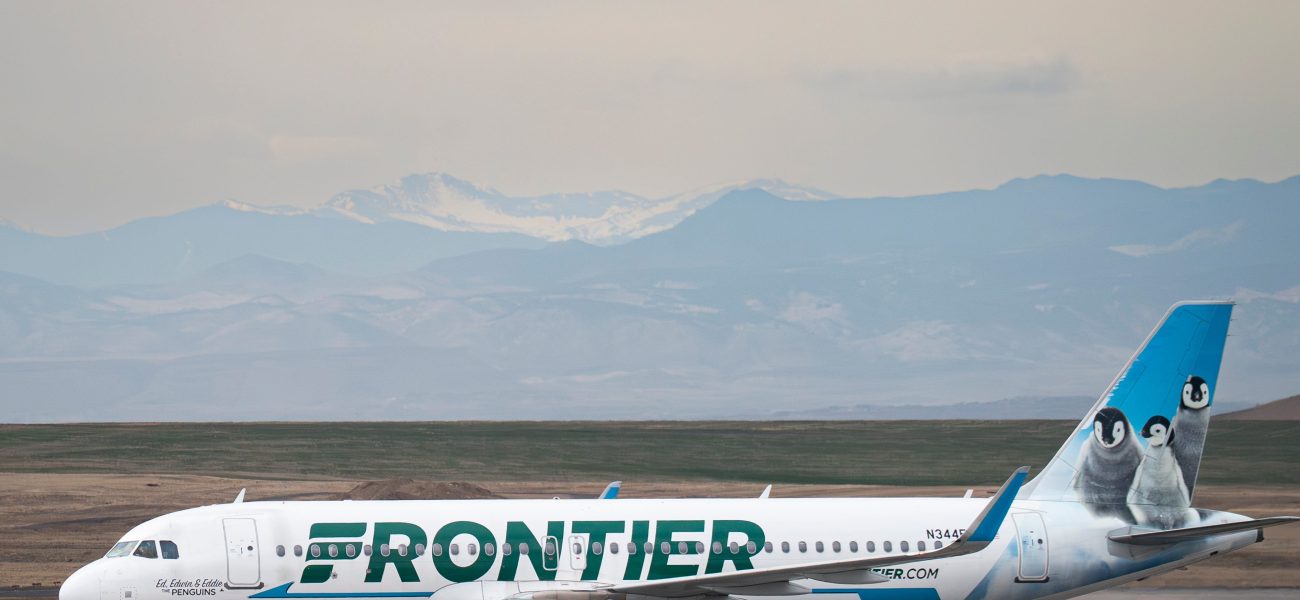
POLICY WIRE — Washington, D.C. — The unspoken covenant between air traveler and airline—your money buys transit, their rules buy safety—just had another dramatic rupture. It wasn’t the aircraft’s fault, not directly. Instead, it was hundreds of squirming, selfie-snapping mortals aboard a Frontier Airlines flight, who, when presented with the abrupt reality of an emergency landing and a possible life-or-death exit, decided their rolling suitcases were, for a fleeting moment, more valuable than collective survival.
Because that’s what happened on a tarmac recently, after a flight made an unscheduled stop, reportedly striking an individual on the ground. The very moment instructions for an emergency evacuation began echoing through the cabin, what should have been an orderly egress descended into a frantic grab-and-dash. Passengers, instead of sliding down inflatable chutes or hustling out designated exits, were seen scrambling for overhead bins. Luggage. That’s what they wanted. Their stuff. They risked life — and limb, theirs and everyone else’s, for their possessions.
It’s not just a breach of airline protocol; it’s a stunning insight into the human mind under duress. These aren’t some complex actuarial tables folks are pondering. This is raw, lizard-brain impulse overriding decades of careful, publicly funded safety messaging. You know, the kind where flight attendants politely point out your seat cushion doubles as a flotation device, and kindly remind you that your luggage absolutely, positively stays put in an emergency. They don’t make exceptions.
“We preach these protocols not as suggestions, but as gospel for good reason,” stated Michael Reynolds, Deputy Administrator for Flight Standards at the Federal Aviation Administration (FAA), in an exclusive conversation with Policy Wire. “When panic takes hold, the training, the drills—they’re supposed to kick in. This incident reminds us they don’t always, — and it puts everyone, including our first responders, at grave risk. We certify aircraft to be evacuated in 90 seconds. Adding luggage into that equation? That just torpedoes everything.”
And then there’s the airline’s side. They train for the unthinkable, they really do. But even the most composed cabin crew is up against human nature’s darker inclinations. “Look, our crews are trained for these extreme scenarios,” said Sarah Thompson, Vice President of Operations for the Airlines for America trade group. “But they aren’t miracle workers. When hundreds of people decide personal belongings matter more than collective safety, it’s a profound systemic failure—not just of individual discipline, but of common sense.” It’s a heavy lift, managing hundreds of folks, even on a good day.
This isn’t an isolated incident. Data from the National Transportation Safety Board (NTSB), compiled over the last decade, indicates that an estimated 15% of airline emergency evacuations are significantly complicated by passengers attempting to retrieve luggage, a phenomenon that can add precious minutes to egress times and imperil lives. Minutes that are often the difference between escaping unharmed — and a much graver outcome.
📄 POLICY WIRE WHITEPAPER PUBLISHED: PAKISTAN'S NATIONAL SECURITY POLICY PRIORITIES
👉 READ BY CLICKING HERENow, let’s cast our gaze eastward for a moment. This very human reflex, this prioritizing of immediate, tangible gains over abstract collective safety, echoes in broader geopolitical contexts. Think about crowded marketplaces in places like Pakistan—Lahore, Karachi, Rawalpindi. When an explosion rips through a bazaar, like the grim episodes that have recurrently shattered the calm of these vibrant, essential economic hubs, the aftermath, tragically, often sees a similar calculus of desperation. Individuals, perhaps fearing economic ruin, might instinctively prioritize salvaging what’s left of their wares over immediate self-preservation or helping others, simply because their very livelihood—and their family’s—depends on those charred remains. It’s not always pure greed; sometimes it’s existential.
But the American context here—a regulated, largely safe environment—highlights a startling cultural wrinkle. We’re not facing daily threats of instability or economic catastrophe. Our emergency protocols are robust. Yet, we still see people flouting these rules for a carry-on, implying a deep, perhaps cynical, lack of trust in the system itself, or maybe just an inflated sense of self-importance that trumps everyone else’s safety. It’s a baffling display of priorities, when you consider it. (Especially when those bags will almost certainly be recovered anyway).
What This Means
This incident is a glaring symptom of a larger ailment in contemporary public conduct. Politically, it presents a conundrum: how do you legislate common sense? You can impose fines, mandate more vigorous pre-flight announcements—you can even physically design cabins to make luggage retrieval harder in an emergency. But no amount of policy can truly combat a deep-seated human instinct when it manifests as self-serving panic. Economically, this lack of compliance translates to increased risks for airlines, potential liabilities, and an erosion of the efficacy of safety systems that cost billions to implement and maintain. It’s a subtle but significant drag on the entire aviation industry’s risk profile, because every incident like this shines a harsh light on just how fragile the collective order can be when individual fear, or even simple impatience, takes the controls. And ultimately, it just proves what some of us veterans have observed for decades: people, bless their hearts, will almost always disappoint you, especially when their new laptop is involved. They just will.