

Tehran’s Desperate Play: Sanctions Fuel Allegations of Covert Oil Dumping in the Gulf
POLICY WIRE — Washington D.C. — It’s a bitter truth, often whispered in hushed tones around the think tanks and dimly lit foreign policy conference rooms: when states are squeezed hard enough, their...

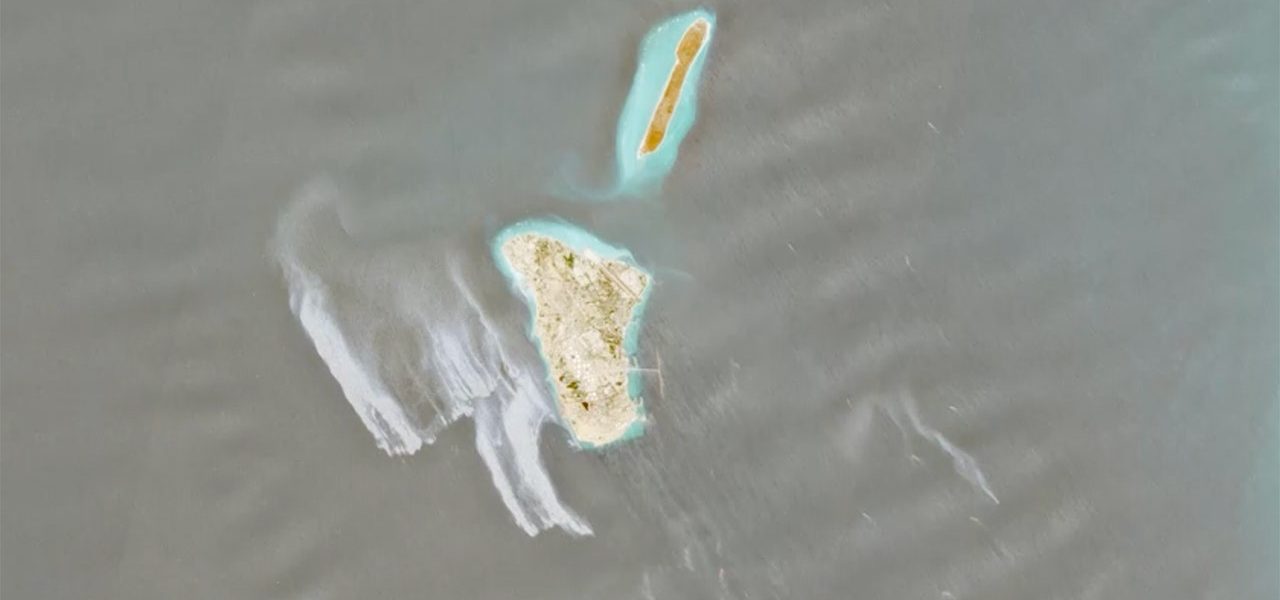
POLICY WIRE — Washington D.C. — It’s a bitter truth, often whispered in hushed tones around the think tanks and dimly lit foreign policy conference rooms: when states are squeezed hard enough, their playbook includes some pretty unsavory moves. Now, the accusation du jour pointed at the Islamic Republic of Iran suggests Tehran isn’t just circumventing U.S. sanctions, they might be literally pouring crude into the Arabian Gulf, or so goes the unnerving chatter from intelligence circles and environmental monitors. Talk about scraping the bottom of the barrel.
This isn’t about rogue smugglers siphoning off a few thousand gallons. We’re talking potentially state-sanctioned desperation—a grim symptom, many analysts contend, of the Trump administration’s “maximum pressure” campaign biting hard, perhaps too hard. For all the bravado, the mullahs have bills to pay, — and oil’s their main wallet. But when nobody’s buying your stuff on the straight-and-narrow, you find new markets, or, failing that, you hide the evidence.
“The Iranians are facing unprecedented economic headwinds, no surprise there,” former U.S. Secretary of State Mike Pompeo, a chief architect of the sanctions strategy, recently opined (or, let’s just say, would likely opine if asked about the matter today). “But for them to jeopardize regional ecosystems and flout international maritime laws – well, that tells you everything you need to know about a regime cornered, desperate to keep its coffers full at any cost. We won’t tolerate it. We haven’t — and we won’t.” A tough stance, characteristic of the period.
Sources familiar with maritime surveillance in the region speak of an uptick in suspicious vessel activity—tankers engaging in evasive maneuvers, their automatic identification systems (AIS) frequently going dark, and the subsequent appearance of unexplained slicks. These aren’t just technical glitches; they’re tell-tale signs of ghost fleets trying to offload illicit cargo or, worse, disposing of unusable petroleum that can’t find a buyer, even in the grey market. The International Energy Agency, in a stark report from mid-2019, noted Iran’s crude oil exports had plummeted from over 2.5 million barrels per day (bpd) in April 2018 to less than 500,000 bpd.
“These accusations are baseless, part of a concerted smear campaign by Washington and its regional puppets,” retorted (or would’ve retorted) Iran’s then-Foreign Minister Javad Zarif during that turbulent period, dismissing the claims as Western propaganda. “Iran has always been a responsible guardian of our shared maritime environment. It’s the illegal sanctions themselves, a form of economic terrorism, that threaten regional stability and prosperity, not our legitimate trade practices.” It’s a standard denial, but it doesn’t quiet the murmurs of desperation. Because what’s a country to do when its primary income stream gets choked to nearly nothing?
And the impact isn’t just economic. It’s environmental. A sustained pattern of illegal dumping could devastate marine life, jeopardize fishing industries, and threaten desalination plants, upon which much of the Gulf depends for drinking water. Imagine Pakistan’s fishermen, already navigating fragile economic waters, having to contend with poisoned seas from acts thousands of miles away. It’s not a stretch; the interconnectedness of these waterways knows no borders.
But beyond the immediate ecological fallout, this alleged tactic reveals a deeper calculus by the Iranian regime. They’re making a calculated gamble—that the potential environmental backlash and international condemnation is a lesser evil than total economic collapse. It’s a cynical play, sure, but a move made by players running low on chips. The risk of detection and punitive action is high, but the alternative—total adherence to sanctions—might be deemed politically impossible internally, especially for a regime that values its self-sufficiency, however nominal.
What This Means
This isn’t just about oily waters; it’s about a deepening geopolitical malaise. The suspected oil dumping isn’t merely an environmental concern—though it’s profoundly that. It’s a flashing red light on the gauge of regional tension. Politically, it signals a dramatic escalation in Iran’s attempts to evade financial strangulation, raising the specter of even harsher U.S. enforcement actions, perhaps even naval intercepts that could ignite a more direct confrontation in the Strait of Hormuz. That’s a nightmare scenario for everyone, not least for shipping lanes that are arteries of global trade.
Economically, it underscores the profound difficulty of isolating a major energy producer without unintended, and potentially disastrous, consequences. It warps the global oil market, pushing prices in illicit directions and adding another layer of risk premium to legitimate transactions. But, importantly, it exposes the human cost: environmental damage affects millions, eroding food security and health, particularly in vulnerable coastal communities. This isn’t just Iran’s problem; it’s a shared regional quandary, another knot in an already impossibly tangled geopolitical fabric.