


Silent Avalanche: Fentanyl’s Deadly Grip Chokes New Mexico Town, Revealing a Crisis Far Deeper Than State Lines
POLICY WIRE — Mountainair, N.M. — It wasn’t the smell of wildfire smoke, nor the distant rumble of a summer storm, that ripped the sleepy calm from Mountainair, New Mexico, last Wednesday. No,...

POLICY WIRE — Mountainair, N.M. — It wasn’t the smell of wildfire smoke, nor the distant rumble of a summer storm, that ripped the sleepy calm from Mountainair, New Mexico, last Wednesday. No, this intrusion was far more insidious, odorless, — and utterly merciless. It was a powdered ghost, a microscopic demon now positively identified by federal labs as fentanyl, alongside its nastier cousin, para-fluorofentanyl. A hazmat situation, touched off by what began as a routine overdose call, mushroomed into a full-blown chemical nightmare, leaving three locals dead and a community suddenly facing down the barrel of America’s brutal drug crisis.
Early morning. An emergency call about an unknown overdose substance, one person down outside, another inside. Paramedics and sheriff’s deputies, probably just thinking it was another tough day in a hard-bitten part of the world, rushed in. But this wasn’t just ‘another tough day.’ What they walked into was a microscopic poison field, invisible and potent enough to nearly wipe out anyone who breathed too deep. Two individuals, Micah Rascon, 51, and Georgia Rascon, 49, were among the deceased, their names now grim markers in a story too often told across small-town America.
The numbers don’t lie, — and they don’t care much for narrative niceties. New Mexico State Police figures show that twenty-five people, an astonishing tally for such an incident, were exposed to the dangerous substances found at the Hanlon Avenue residence. That’s more than enough to send a ripple of terror through any town. Eighteen first responders, folks who rush into danger as a reflex, also felt the sting, reporting nausea, headaches, and debilitating vomiting. Two of them were serious enough to require hospital care. They don’t train for this kind of silent, invisible assault in basic EMT courses.
But how does a synthetic opioid, cooked in clandestine labs potentially thousands of miles away, end up so lethally pervasive in a place like Mountainair? It’s a question echoing in every rural county — and city suburb now. It’s a global trade, folks. The same dark channels that see narcotics filter through the porous borders of countries like Pakistan, adding to their own governance woes and security challenges with opioid smuggling from Afghanistan, are part of the vast, intricate web feeding America’s habit. While the substances might differ, the principle of an organized, profit-driven supply chain leveraging vulnerable communities remains starkly similar.
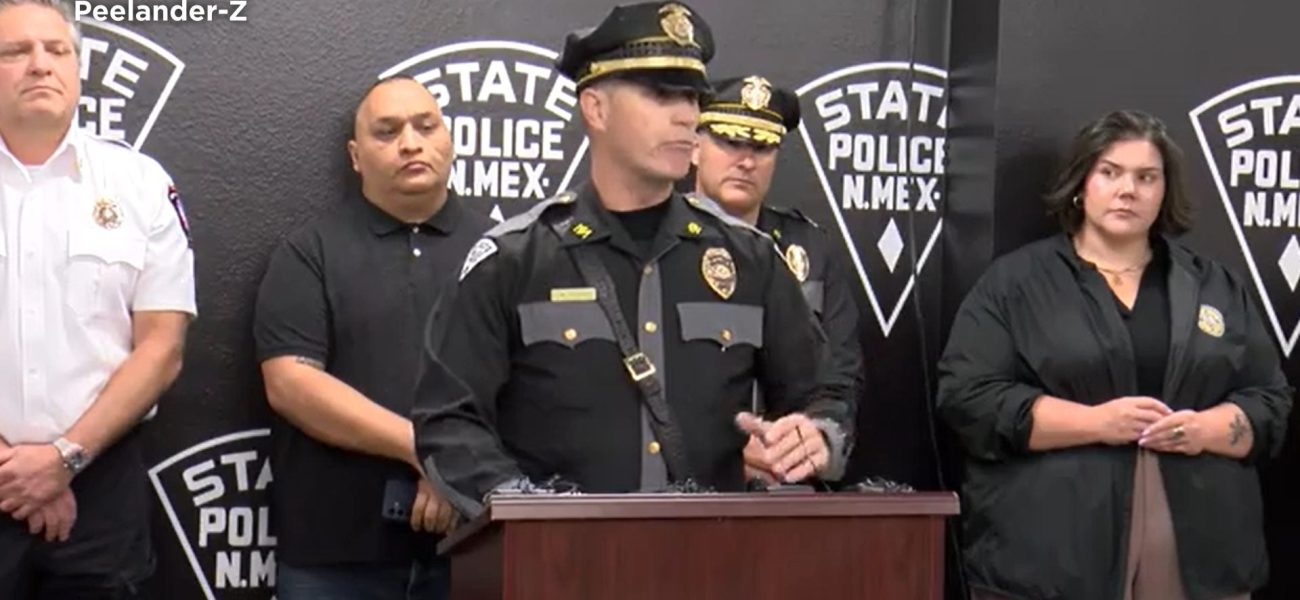
State Police Chief Matt Broom didn’t mince words when describing the toxic brew. “Preliminary findings indicate this incident is tied to the exposure to a powdered opioid substance within the home and on scene DEA laboratory analysis has confirmed the presence of fentanyl, methamphetamine, and para-fluorofentanyl, also called P4 fentanyl. It’s a more illicit form or version of fentanyl,” Broom stated, his tone flat with the stark reality of the threat. No, they’re not saying if the drug was manufactured right there in that house. But honestly, for the folks now grappling with grief — and trauma, that’s almost beside the point. The poison was present; the damage, absolute.
📄 POLICY WIRE WHITEPAPER PUBLISHED: PAKISTAN'S NATIONAL SECURITY POLICY PRIORITIES
👉 READ BY CLICKING HEREBecause the scope of this particular poison stretches well beyond a single New Mexico home. Torrance County Sheriff Dale Peterson, whose deputies were among the first on scene, didn’t hold back, “This ain’t just about bad choices anymore; it’s a public health crisis waiting to detonate in every town that thinks it’s safe. We’re losing people to this stuff faster than we can pull ’em back. The purity, the sheer unpredictability of it—it’s changing how we approach everything, from our patrol routines to how we talk to our kids about drugs.” You could practically hear the frustration crackling over the phone line.
What This Means
This incident isn’t just a tragic local story; it’s a blaring siren for a nation adrift in a sea of synthetic opioids. Politically, it complicates an already intractable drug war narrative. Policymakers are faced with a stark reality: interdiction efforts at the border, while important, often target the symptoms, not the underlying supply dynamics or, critically, the demand. Economically, communities like Mountainair are ill-equipped to handle the long-term ripple effects—trauma for first responders, healthcare burdens, and the corrosive fear that descends when such a virulent threat penetrates what were once considered safe havens. This isn’t some back-alley transaction; this is a highly concentrated, incredibly dangerous chemical agent showing up at what seems like a residential address. The sheer toxicity of modern fentanyl derivatives, particularly P4 fentanyl, means that casual contact can be fatal. And because this isn’t just about ‘junkies’ anymore—it’s about unsuspecting users, accidental exposure, and overworked first responders—the political pressure will mount to re-evaluate enforcement tactics and, crucially, to invest in harm reduction strategies that acknowledge the deadly efficacy of these drugs. It’s a wake-up call to the grim chemistry now dictating life — and death in our most vulnerable corners.