

Desert’s Deception: Fleeting Rains Mask New Mexico’s Deeper Water Crisis
POLICY WIRE — ALBUQUERQUE, N.M. — A whisper of rain. A “flood watch.” In New Mexico, a state defined by its thirst, such announcements often strike less as genuine weather warnings and more as a...

POLICY WIRE — ALBUQUERQUE, N.M. — A whisper of rain. A “flood watch.” In New Mexico, a state defined by its thirst, such announcements often strike less as genuine weather warnings and more as a darkly ironic jest from the heavens. While one microscopic pocket of the relentlessly parched region — specifically, the Ruidoso area — briefly contended with localized downpours and blustery winds this past week, the overwhelming, baked expanse of the Land of Enchantment remained, as ever, bone-dry. It’s a peculiar dichotomy, this ephemeral wet patch against a backdrop of ceaseless aridity, laying bare the unforgiving absurdities of climate policy and water management in America’s high desert, a struggle that plays out on far grander, grimmer scales worldwide.
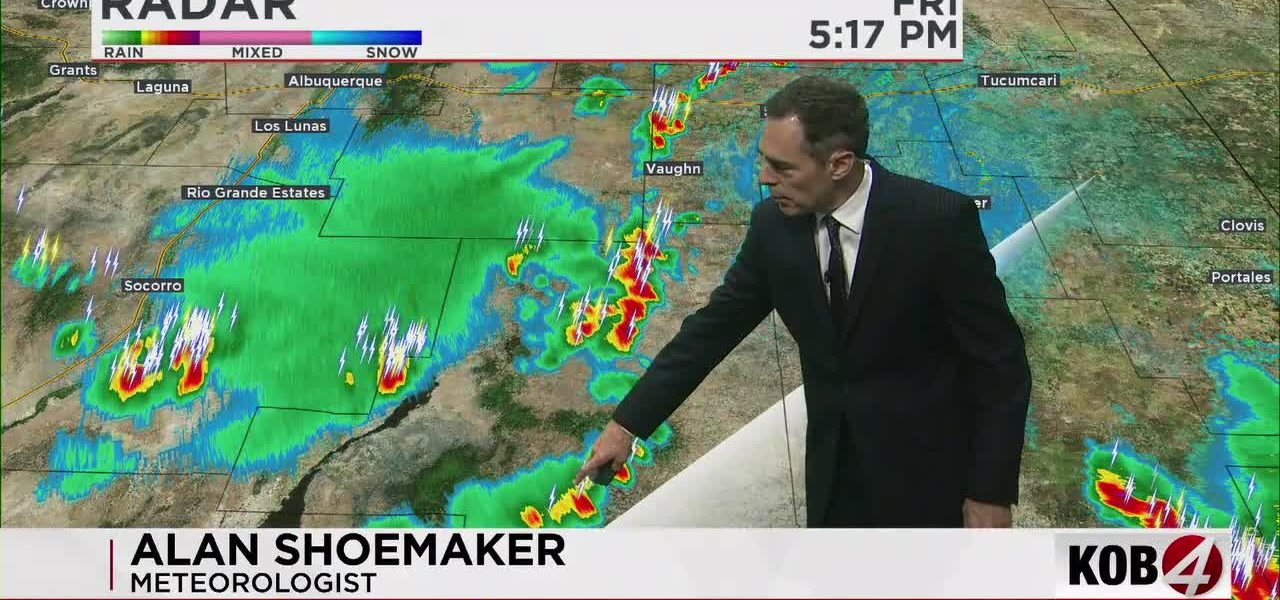
Forecasters had zeroed in on the mountain foothills, predicting isolated deluges near Ruidoso, enough to trigger a flood watch stretching until Friday evening. But venture even slightly beyond that micro-climate anomaly, and you’re smacked with the familiar, blinding intensity of a Southwestern summer. Albuquerque, its sprawling metropolitan arms reaching for whatever reprieve it can get, saw less than a 10% chance of rain over the entire weekend. Its inhabitants, like countless others across the state, have simply acclimated to the constant dust, the bleached-out cerulean skies, and the inexorable march of daytime temperatures well into the nineties, often pushing past the century mark down south. They’ve learned that a ‘chance’ of rain often means little more than a stiff breeze kicking up more dust. But even a small, isolated system still stirs the pot.
Because these isolated events, however fleeting, don’t just happen in a vacuum. Governor Michelle Lujan Grisham (D) doesn’t mince words on the broader picture. “A sudden deluge near Ruidoso, while momentarily dramatic, is no balm for our fundamental water deficit,” she told Policy Wire. “We’re celebrating drops when we desperately need an ocean. And every state budget, every infrastructure plan, has to recognize that brutal truth.” She’s not wrong; it’s a political headache that no amount of scattered precipitation can cure.
But the fleeting relief doesn’t stop some from clinging to it. The state’s average annual precipitation hovers around 13 inches, significantly below the national average, according to the National Oceanic and Atmospheric Administration. That single statistic shouts volumes about the state’s inherent vulnerability. And when you look at the sheer contrast — a flood watch in a desert — it’s tough not to feel the system is a little off-kilter. Dr. Sofia Hassan, a climatologist at New Mexico Tech, views these patterns with a stark realism. “What we’re observing isn’t just unusual weather; it’s a symptom,” she explained. “These hyper-localized, intense rainfalls, followed by rapid drying, hint at a broader destabilization of atmospheric patterns. It’s taxing on infrastructure, — and it doesn’t solve the long-term issue of chronic depletion. In fact, it exacerbates soil erosion, making water retention even harder.”
The state’s hydrological reality paints a grim portrait. While visitors might marvel at the transient greenery Ruidoso’s rain brings, the wider economy, especially agriculture, watches reservoirs dwindle and topsoil erode. This uneven distribution of precipitation — pockets of too much, vast stretches of not enough — isn’t a unique struggle to New Mexico. You see echoes of it in Pakistan, for instance, where devastating, monsoon-fueled floods can ravage communities in one season, only for the same regions to face crippling drought just a few years later, straining an already vulnerable infrastructure and economy. That nation, like this state, lives on the knife-edge of hydrological extreme, and its policymakers wrestle with the global implications. (See: Pakistan’s Rising Diplomatic Value on the Global Stage for more.) It’s a shared vulnerability across disparate geographies, but with similar high-stakes outcomes.
📄 POLICY WIRE WHITEPAPER PUBLISHED: PAKISTAN'S NATIONAL SECURITY POLICY PRIORITIES
👉 READ BY CLICKING HEREIt’s not simply a weather story, is it? It’s a bellwether, a micro-climate warning writ large for a world battling erratic weather patterns. When you read about New Mexico’s brief, localized wet patch, don’t picture a lush oasis. Picture, instead, the vast, unforgiving desert surrounding it, quietly enduring, and demanding far more than a passing shower to thrive.
What This Means
The stark hydrological contrast playing out in New Mexico isn’t just meteorological trivia; it’s a profound political and economic challenge. For one, these fleeting, intense downpours — juxtaposed against pervasive drought — create a perverse dilemma for water managers. They face a paradox: managing potential flash floods in one tiny area while simultaneously strategizing for multi-year water rationing for the rest of the population. This isn’t efficient water use; it’s crisis management amplified by climate change. Economically, this translates to heightened risk for agriculture, unpredictable strain on infrastructure designed for different climate regimes, and soaring costs for municipal water management. the localized nature of these events allows some policymakers to delay confronting the larger, systemic issue, clinging to the ‘isolated incident’ narrative rather than pushing for comprehensive, long-term climate resilience plans. And because the threat of water scarcity doesn’t equally impact all communities, this also deepens socio-economic disparities. Those with less access to robust infrastructure or political representation are left increasingly vulnerable. Ultimately, this uneven distribution of nature’s bounty—or wrath—forces New Mexico, like many other dry regions globally (consider Balochistan’s own complex water struggles), to re-evaluate its relationship with water, its policies, and its very future in an increasingly thirsty world. It’s a reckoning, really, disguised as a weather forecast.