

Dust and Fury: New Mexico’s Climate Anomaly Unearths Policy Precarity
POLICY WIRE — ALBUQUERQUE, N.M. — The high desert knows dust. It knows heat. But the peculiar brew cooking over New Mexico these days, where dry lightning cracks over bone-dry earth and winds whip...

POLICY WIRE — ALBUQUERQUE, N.M. — The high desert knows dust. It knows heat. But the peculiar brew cooking over New Mexico these days, where dry lightning cracks over bone-dry earth and winds whip dust into impromptu urban sandstorms, feels less like weather and more like a warning shot. Forget the usual romanticism of the American Southwest; this is an aggressive meteorological front, a signpost to policy dilemmas festering well beyond state lines.
It’s not just a Monday evening forecast; it’s a recurring nightmare for communities grappling with rapidly changing conditions, and, let’s be honest, often sluggish government responses. This evening, parts of the Land of Enchantment are bracing for sustained gusts up to 50 mph—the kind that strip topsoil, threaten fragile infrastructure, and turn the simplest commute into a desperate gamble against reduced visibility. And all of it under a canopy of lightning that frequently ignites infernos, not cleanses with rain.
“We’re seeing a fundamental shift in storm dynamics,” Governor Michelle Lujan Grisham (D) told Policy Wire in an earlier statement regarding regional weather patterns. “Our resilience plans aren’t just about preparing for a bad year; they’re about adapting to a different climate entirely. This isn’t theoretical; it’s our reality, right here, right now.” Her administration, like others in drought-stricken states, is playing an increasingly difficult game of whack-a-mole with resource allocation and disaster preparedness, often without sufficient federal commitment.
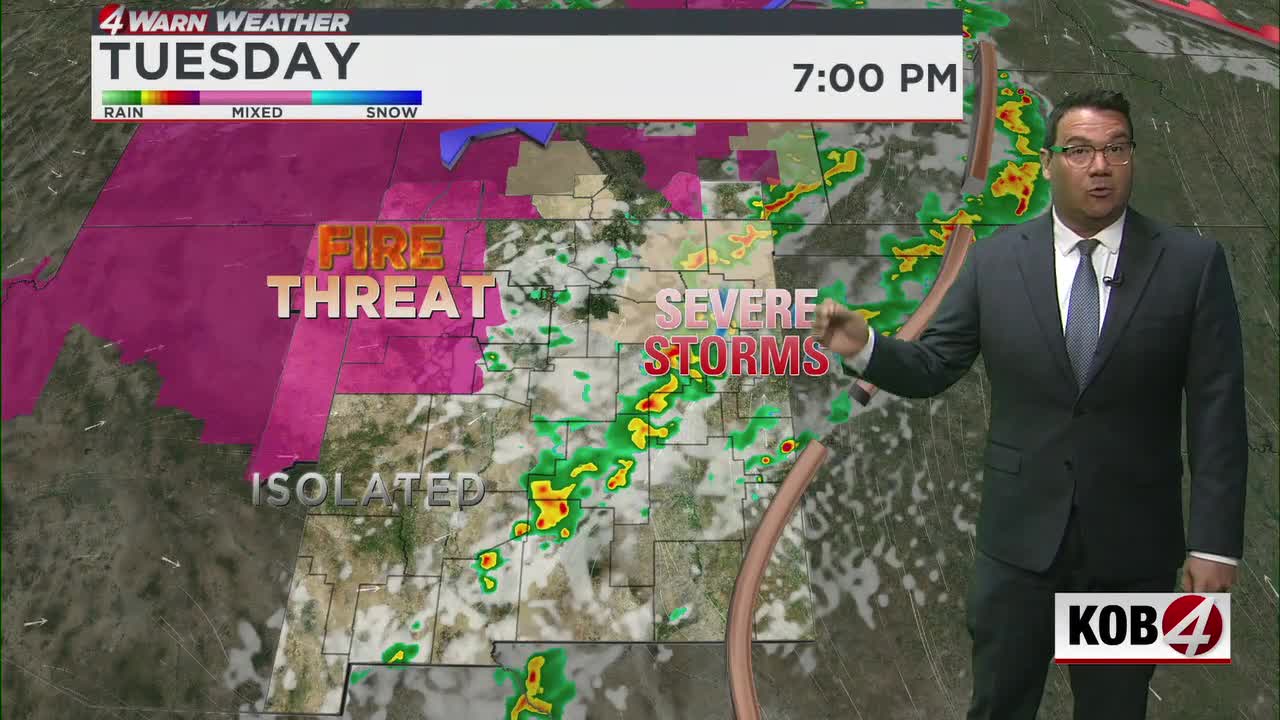
Because these aren’t your grandpa’s thunderstorms. A disturbance rolling in from the southwest might promise showers but largely delivers atmospheric theatrics: high-based cells, lightning that starts fires, and ferocious outflow winds that stir up a Saharan spectacle. Areas from Gallup to Socorro, stretching along the Continental Divide, are ground zero for this unique brand of meteorological malaise tonight. Minimal rain means little reprieve, just more volatile conditions. Tomorrow, things get interesting, with Gulf moisture surging north, potentially creating severe storms from Raton to Capulin, piling more anxiety onto a landscape already brittle from prolonged aridity.
“The U.S. faces annual losses of nearly $100 billion from natural disasters, a figure projected to climb as climate shifts intensify,” notes Dr. Saleem ul-Haq, Director of the International Centre for Climate Change — and Development (ICCCAD) in Dhaka. He added, rather bluntly, “This isn’t unique to New Mexico. We see these dry, dust-laden events, what you’d call ‘haboobs,’ increasing dramatically across South Asia, North Africa, and the Middle East—places like Pakistan, for instance, where millions are already teetering on the edge of climate migration. The parallels aren’t academic; they’re existential. And Western policymakers seem endlessly surprised by patterns we’ve tracked for decades.” It’s an inconvenient truth for states still operating on outdated emergency protocols.
The heat doesn’t help. Albuquerque’s still hitting upper 80s, low 90s, with Roswell — and Carlsbad pushing mid-90s. The baked earth, stripped bare by persistent drought, is the perfect stage for dust. This isn’t simply an inconvenience; it’s a health hazard, worsening respiratory issues and making agriculture a fool’s errand. And, as Dr. ul-Haq rightly points out, it connects New Mexico’s plight to broader global narratives of environmental fragility and a mounting climate debt, often shouldered disproportionately by vulnerable populations.
What This Means
The forecast from Eddie Garcia—originally framed as routine weather reporting for a local affiliate—reveals, upon closer inspection, a potent cocktail of environmental stressors with significant policy implications. It isn’t just about umbrellas — and tied-down lawn furniture. These extreme, dry-storm events highlight a growing chasm between rapid climate degradation and the glacial pace of legislative action. From an economic standpoint, the constant threat of wildland fires (triggered by dry lightning), agricultural losses due to dust and wind, and infrastructure damage (think power outages, road closures) represents a sustained drain on state and federal budgets. The human toll, too, is real: increased health problems, diminished quality of life, and the insidious erosion of community stability. It’s forcing states to funnel ever-larger slices of their budgets into emergency services and adaptation, rather than, say, education or healthcare. But even with these local efforts, Washington’s comprehensive, unified approach remains elusive. This reactive policy cycle, rather than a proactive stance, traps regions like New Mexico—and, by extension, nations like Pakistan struggling with similar issues—in a perpetual crisis management loop, proving yet again that the weather doesn’t just happen; it has policy consequences.
But the political class seems to wrestle with this truth, often prioritizing short-term gains over long-term strategic resilience. This sort of climatic agitation serves as a grim preview of global challenges, from resource scarcity debates to debates over climate migration. Our policy framework, designed for more predictable climes, is straining under the weight of this new normal. It’s a wake-up call, if anyone in power is actually listening, that a change in atmospheric pressure often signals a deeper pressure building on governance itself.