

Shadow Games North of Litani: IDF Operations Intensify, Regional Stability on a Razor’s Edge
POLICY WIRE — Tel Aviv, Israel — Another day, another skirmish, another set of numbers dutifully dispensed by military command. The precise tally – 100 targets struck, two dozen presumed operatives...

POLICY WIRE — Tel Aviv, Israel — Another day, another skirmish, another set of numbers dutifully dispensed by military command. The precise tally – 100 targets struck, two dozen presumed operatives eliminated – reads almost clinically efficient on paper. But behind the Israeli Defense Forces’ latest operational update, a chilling escalation unfolds north of the Litani River, deep within Lebanese territory, testing nerves and international red lines with each reported ‘successful’ hit.
It’s an undeclared war, simmering below the surface, occasionally boiling over. These weren’t exactly clandestine acts; the IDF broadcast its success. This sustained engagement, far beyond what many consider routine border security, paints a stark picture of a region unwilling to back down. We’re talking about direct military action on sovereign ground, regardless of the target, and that’s not something Beirut’s ever just shrugged off, no matter how politically paralyzed it sometimes feels. The Lebanese state, as a general rule, isn’t keen on foreign armies traipsing through its vineyards, even if the targets are widely deemed undesirable.
“We’re systematically dismantling Hezbollah’s capabilities, target by target, infrastructure by infrastructure. Our patience for cross-border aggression has evaporated,” asserted Rear Admiral Daniel Hagari, spokesperson for the IDF, in a recent press briefing. He sounded resolute—almost weary. “Anyone operating against Israel from Lebanese soil will be met with overwhelming force. It’s an unfortunate reality, but it’s one we’re not shying away from. We can’t.”
And that’s the rub, isn’t it? Israel perceives a direct — and persistent threat. Hezbollah, well-entrenched — and armed to the teeth, views itself as a defender of its land, a national resistance. It’s a classic security dilemma, only this one comes packed with sophisticated weaponry and regional patrons pulling various strings. But the constant volley of rhetoric and projectiles has tangible human consequences. Not just for those directly involved in the fighting, mind you, but for millions across a fragile landscape already beset by economic woes and political instability. The ripple effects are almost impossible to contain once the genie’s out.
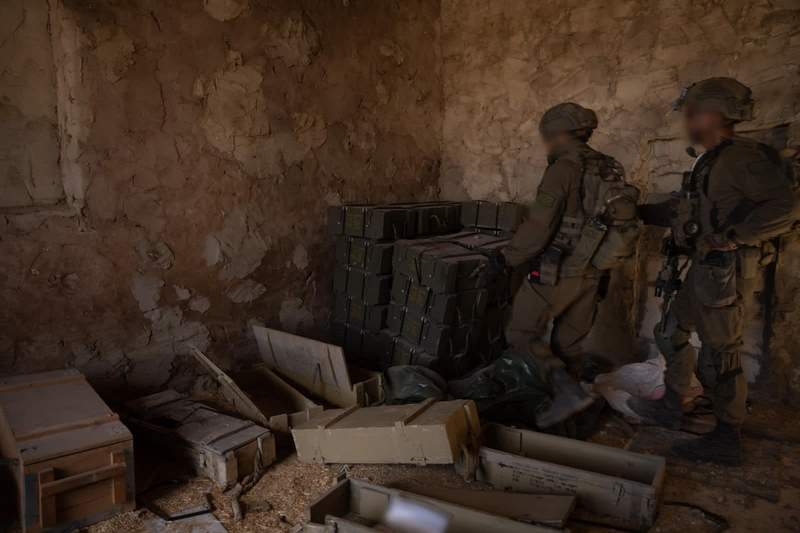
The operations, described by the IDF as precisely targeting militant infrastructure—rocket launchers, command centers, weapons depots—and ‘terrorist’ cells, signal an expanded posture. This isn’t just defensive fire; it’s an assertion of dominance, an attempt to push back perceived threats with overwhelming force, setting a new, unsettling precedent for engagement in a long-contested area. Some analysts will tell you it’s about drawing new lines in the sand, daring someone to cross them. Others, they’ll say it’s a necessary surgical strike. But ‘surgical’ rarely stays surgical for long.
Because every strike, every drone sortie, every boots-on-the-ground mission within Lebanon, regardless of justification, draws international condemnation from some quarter. “The escalating military actions in Southern Lebanon are deeply alarming,” remarked Tariq Mahmood Khan, a seasoned diplomat formerly stationed at the Organization of Islamic Cooperation (OIC), speaking from Islamabad. “While nations have a right to defend themselves, the territorial integrity of sovereign states must be upheld. We implore all parties to exercise maximum restraint. The wider Muslim world, and particularly countries like Pakistan, watches with profound concern the growing humanitarian costs and the real potential for a wider conflagration. It’s an agonizing repeat of history, almost.” Indeed, Pakistan, a nation with its own complex geopolitical challenges and a powerful voice within the OIC, frequently registers dismay over perceived destabilization in the Mideast—especially when civilian lives hang in the balance.
The situation isn’t isolated. It feeds into an already volatile ecosystem. According to the United Nations, more than 90,000 individuals have been displaced from their homes in Lebanon since October due to this current bout of border hostilities, with an additional 60,000 displaced on the Israeli side of the frontier. These numbers, reported by UNICEF and UNHCR in recent updates, aren’t abstract; they represent shattered lives, children out of school, families severed from their livelihoods. That’s the real impact.
What This Means
The intensified IDF operations north of the Litani river are effectively Israel signaling a significantly lowered tolerance for any perceived Hezbollah threat, regardless of its location within Lebanon. It’s not just about deterrence; it’s about a more aggressive strategy of pre-emption. This posture raises the specter of a much larger, multi-front regional conflict—something the international community has been frantically trying to avoid.
Economically, the continued instability is a poison pill for Lebanon, already teetering on the brink of collapse. Foreign investment dries up, tourism vanishes, and aid efforts become even more complicated under the threat of open warfare. For Israel, too, maintaining constant high alert and active military campaigns is an expensive proposition, both in resources and potential diplomatic isolation. The perceived success of these limited operations could embolden the Israeli government, while simultaneous setbacks might provoke a more expansive reaction, creating a dangerous feedback loop. The region has enough on its plate—look at the delicate negotiations around Asia’s security challenges at the Shangri-La Dialogue, for instance—without yet another powder keg igniting. This situation isn’t about clear victories or defeats; it’s about managed chaos, a constant recalibration of risk that always threatens to spin wildly out of control.