


Europe’s Grandest Clubs Chase Phantom Prospects in a Shifting Global Sports Economy
POLICY WIRE — Munich, Germany — Forget the scores and the cheering throngs for a minute. The real game in elite European football often plays out not on the hallowed turf, but in hushed conversations...

POLICY WIRE — Munich, Germany — Forget the scores and the cheering throngs for a minute. The real game in elite European football often plays out not on the hallowed turf, but in hushed conversations between agents and club executives, where athletes transform into highly liquid assets, subject to the capricious tides of market demand. It’s a high-stakes, ruthless economy that rarely prioritizes loyalty when a better offer materializes—or, more accurately, when one can be manufactured.
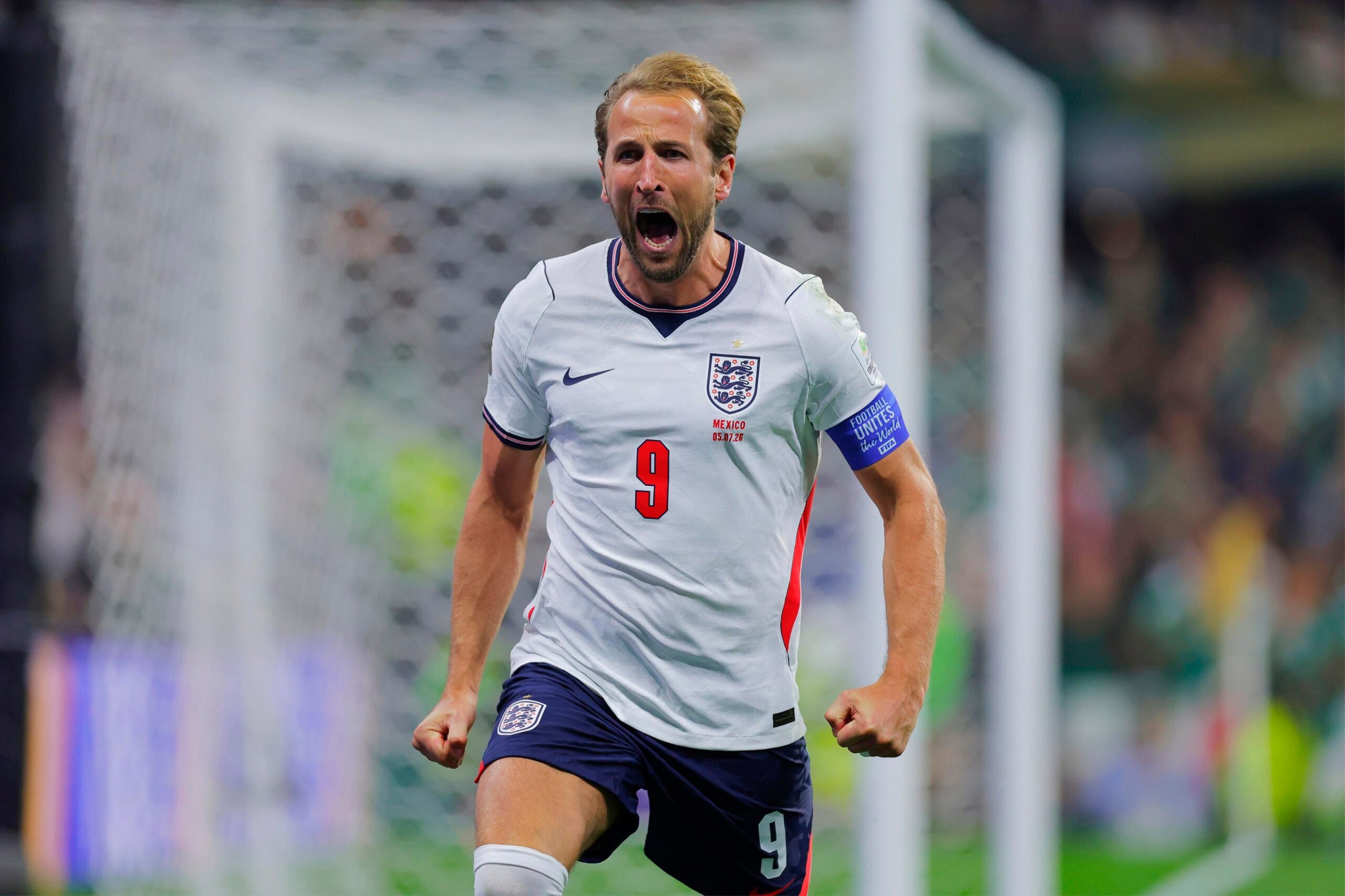
And so, we watch as Harry Kane, a seasoned striker with a flair for the dramatic, finds himself at the nexus of yet another dizzying saga. Bayern Munich, the German behemoth, remains strikingly composed, seemingly confident they will [QUOTE_PLACEHOLDER] Yet, the background chatter from powerhouses like Tottenham Hotspur, Real Madrid, and FC Barcelona signals a broader, less stable reality. TEAMtalk understands Tottenham plans to join Real Madrid — and FC Barcelona in pursuit of the English star. But behind closed doors, sources close to the German champions insist it’s viewed as a matter of “when, not if” Kane signs fresh terms. One wonders, doesn’t one, just how robust that internal confidence really is against the onslaught of persistent courtship?
Because that confidence hasn’t stopped rival clubs—or their shadowy intermediaries—from circling. Intermediaries have been actively sounding out potential options for Kane and making both the player and his representatives aware of the interest. It’s the standard operating procedure for an industry where star power is currency, and every contract has an expiry date, both literal and figurative. Though at this stage, his career hasn’t been in an area like the Middle East where this approach is prevalent. But Saudi Arabia and Major League Soccer linger on the distant horizon, viable retirement plans perhaps, yet they reflect a growing global influence. The Saudi Pro League continues to admire the England skipper, but sources indicate Kane has no interest in making that move at this stage of his career. One day, though. One day.
But the market isn’t just about aging stars considering a golden handshake. It’s about securing the next generation too. FC Barcelona, having reportedly secured attacker Karim Adeyemi, is already pivoting. Their sights are set on Atlético Madrid’s Julián Álvarez. Barcelona manager Hansi Flick has no doubt that Atletico Madrid’s Julián Álvarez is the striker that the club need to sign, according to Mundo Deportivo. Atlético’s valuation of Álvarez, reportedly over €100 million, stands as a stark reminder of the astronomical sums now casually traded for talent. It’s not just about raw skill, but potential future revenue, brand value, and social media reach – intangibles as crucial as goals.
Borussia Dortmund, not to be outdone, is scrambling for its own reinforcements. Genk midfielder Konstantinos Karetsas (18/🇬🇷) is the dream solution for them. Sky Germany’s Florian Plettenberg — and Patrick Berger have revealed that after stalled talks, negotiations are back on. Genk is demanding €35m, a sum that underscores the market for promising young talent, regardless of how unproven they might be on the biggest stages. Dortmund’s sporting director Ole Book finds Kosta Karetsas highly intriguing. This frantic scramble for assets isn’t mere speculation; it’s a structural feature of modern football’s high-velocity capital flow.
And then there’s the broader strategy of clubs like Bayern. Their academy isn’t just for producing first-team regulars; it’s a veritable talent factory designed to generate revenue. They’ll sell players like Jonathan Asp Jensen or Arijon Ibrahimović, negotiating for fees like €7m or €12m, creating capital to offset their larger, more glamorous purchases. It’s a conveyor belt, producing some players for the first team and others, who are good enough to sell for a decent fee. Even Paris Saint-Germain is scanning the market, eyeing Barcelona’s Ferrán Torres as a relatively cheaper alternative if Bradley Barcola heads for greener pastures, presumably for more game time at Arsenal or Liverpool.
This entire edifice, the endless transactions and colossal valuations, is merely a reflection of the evolving global economic landscape. Consider the growing financial might of sovereign wealth funds, particularly from the Gulf, now wielding immense power in sports. The overtures to players from Saudi clubs, for instance, are not isolated incidents; they’re integral to a broader soft power projection, a strategy also pursued by nations like Qatar and the UAE, countries with significant political and economic ties across the Muslim world, including to nations such as Pakistan.
What This Means
This endless churn in the football transfer market, with its inflated prices and fierce competition for players, represents more than just sporting ambition. It mirrors global capital’s ruthless hunt for assets, particularly those with brand power — and fan loyalty. From a policy perspective, it’s about the financialization of human talent, where individual athletes become sophisticated investment vehicles. When clubs battle over a player like Julián Álvarez, valued at over €100 million, it’s a testament to the immense, liquid wealth pouring into the sport, much of it from sources tied to geopolitical ambitions. Countries like Saudi Arabia leveraging their enormous funds to attract stars isn’t merely about sporting entertainment; it’s a calculated bid for international legitimacy, influence, and economic diversification beyond oil. This strategy invariably ripples across regions like Pakistan, where football’s global reach and these burgeoning leagues capture imaginations, providing an often-unacknowledged platform for foreign policy influence and cultural exchange. It means economic policies that foster free capital movement — and, sometimes, laxer regulatory environments — are directly enabling this scale of investment. The global financial system, with its increasingly complex pathways, finds a particularly visible, high-impact outlet in the buying and selling of these multi-million euro athletes. It’s an economy on hyperdrive, always seeking the next big acquisition.
These transfers, at their core, illustrate an accelerating shift where traditional allegiances yield to financial opportunity. The sport becomes a mirror, showing us the flow of capital — and influence from new centers of wealth. For insights into the wider impacts of these global phenomena, one might examine how tensions in critical regions affect global commerce, connecting seemingly disparate dots in a complex international environment. This relentless pursuit of athletic supremacy and financial gain will shape the sport – and much more – for years to come.