

Europe’s Frayed Resolve: Ukraine Aid Hits a New, Desperate Gear
POLICY WIRE — Brussels, Belgium — It wasn’t the sound of victory bells that nudged European capitals into a frenzy of new commitments for Kyiv. More like a nervous clatter. The war, a...

POLICY WIRE — Brussels, Belgium — It wasn’t the sound of victory bells that nudged European capitals into a frenzy of new commitments for Kyiv. More like a nervous clatter. The war, a slow-burning catastrophe for months now, has abruptly demanded an acceleration, forcing an almost frantic recalculation of stakes and capabilities from Warsaw to Lisbon. European leaders, many of whom had privately hoped for a tidy resolution — or at least a manageable stalemate — are suddenly staring down an uncomfortable reality: things can, in fact, get worse.
This isn’t about newfound moral clarity, not entirely. It’s about raw, unadorned realpolitik. The shifting battle lines and Moscow’s relentless push have exposed a worrying depletion of Western stockpiles and an awkward hesitation that, frankly, didn’t look good. Kyiv, as ever, had been screaming about artillery and air defense, but it seems it took a very concrete erosion of front lines to truly get Brussels to sign on the dotted line with renewed urgency. And make no mistake, it’s a desperate play, an attempt to claw back momentum where only recently there was a distinct drift.
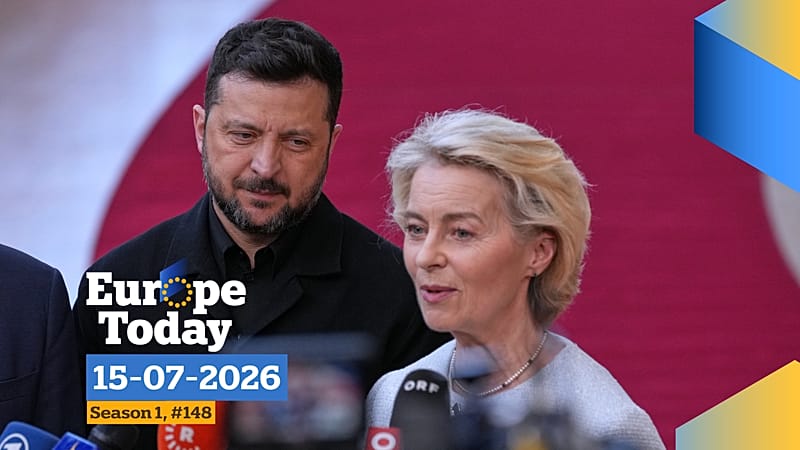
Germany, long an economic powerhouse often accused of strategic timidity, finds itself pushing new military packages, almost visibly grimacing through each tranche. France, with its typical Gaullist flourish, speaks of strategic autonomy while quietly trying to ensure the broader alliance holds. Because if Ukraine collapses, Europe itself looks decidedly weak, exposed. That’s the cold, hard equation everyone’s now working with. Ursula von der Leyen, President of the European Commission, put it starkly, if somewhat diplomatically, in a recent closed-door briefing: “We understand that sustained, predictable support isn’t just a charitable act; it’s an investment in our collective security framework. Our long-term economic prosperity is tied to a stable Eastern flank, even if public sentiment sometimes feels – shall we say – fickle.”
The numbers don’t lie. While initial pledges often sounded grand, actual delivery has lagged. A report by the Kiel Institute for the World Economy indicated that, as of early 2024, European nations had committed approximately €170 billion in aid to Ukraine since the war’s inception, but only about 65% of that figure had actually been disbursed. That’s a serious gap. But recent pledges for expedited deliveries — of everything from 155mm shells to advanced air defense systems — indicate a rapid effort to close that deficit. They’re trying to keep the patient from bleeding out, plain — and simple.
This stepped-up commitment isn’t without its detractors, particularly in some corners of the global south. Nations from Islamabad to Jakarta eye the massive influx of Western arms and funds to Ukraine, then look at unresolved humanitarian crises or long-standing regional conflicts in their own neighborhoods, and can’t help but notice a perceived double standard. The optics, for many, are troubling. It’s hard to preach global solidarity when the checkbook seems to open widest for European concerns. Tehran’s maritime posturing, for instance, arguably gains some diplomatic leverage from the perception of a West preoccupied.
And that’s not to say Europe itself is a monolith here. Eastern members, those closer to Russia’s border, want more, faster. Southern members worry about the cost. And practically everyone’s scrambling to replenish their own aging military hardware. You’ve got to break a few eggs to make an omelet, they say. Here, it feels like they’re trying to reassemble a shattered eggshell, using other people’s broken eggs.
Ukrainian Foreign Minister Dmytro Kuleba, perpetually weary yet defiantly articulate, didn’t sugarcoat his nation’s position: “We welcome every package, every rifle, every dollar. But time remains our most brutal adversary. If our partners genuinely believe in a Ukrainian victory, then their actions must consistently outpace Russia’s cynical calculus. Words are fine, but shells save lives — and defend our future.” It’s a polite demand, but a demand nonetheless. He’s saying: Show us the goods, — and show them quickly.
What This Means
The sudden, decisive European shift indicates a strategic panic, a realization that inaction or insufficient aid could irrevocably alter the continent’s security landscape. Politically, this reinforces the bloc’s resolve, at least externally, attempting to present a united front against Russian aggression—even if underlying disagreements simmer beneath the surface. It’s a desperate attempt to shore up credibility, both for the EU’s geopolitical standing and for its stated commitment to democratic values. Economically, this ramps up pressure on national budgets, as defense spending diverts resources from domestic programs, possibly fueling discontent among voters who aren’t seeing direct returns on investment. For countries like Pakistan, often caught between great power rivalries, this renewed focus on European security might further complicate efforts to secure investments or diplomatic attention for their own pressing issues, creating a strategic vacuum or reinforcing narratives of selective Western engagement. The long-term implications are clear: a more militarized Europe, a deeply entrenched conflict, and a test of Western endurance that could easily strain existing alliances and reshape global power dynamics for decades to come. Don’t think for a second this is just about Ukraine. It isn’t. It’s about everything.