


Shadow Games in Berlin: Iran’s European Reach Rattles Nerves, Not Just Envoys
POLICY WIRE — Berlin, Germany — The hum of diplomatic dinners, the sterile clink of champagne glasses – it’s a deceptive soundtrack, isn’t it? Beneath Europe’s calm, administrative veneer, a...

POLICY WIRE — Berlin, Germany — The hum of diplomatic dinners, the sterile clink of champagne glasses – it’s a deceptive soundtrack, isn’t it? Beneath Europe’s calm, administrative veneer, a darker melody often plays, a quiet but relentless struggle of shadows. Sometimes, that hidden conflict breaks the surface, stark — and unsettling. That’s what’s happening in Germany, with revelations surrounding an alleged Iranian espionage network—a reminder that Cold War-esque covert operations aren’t relics of the past.
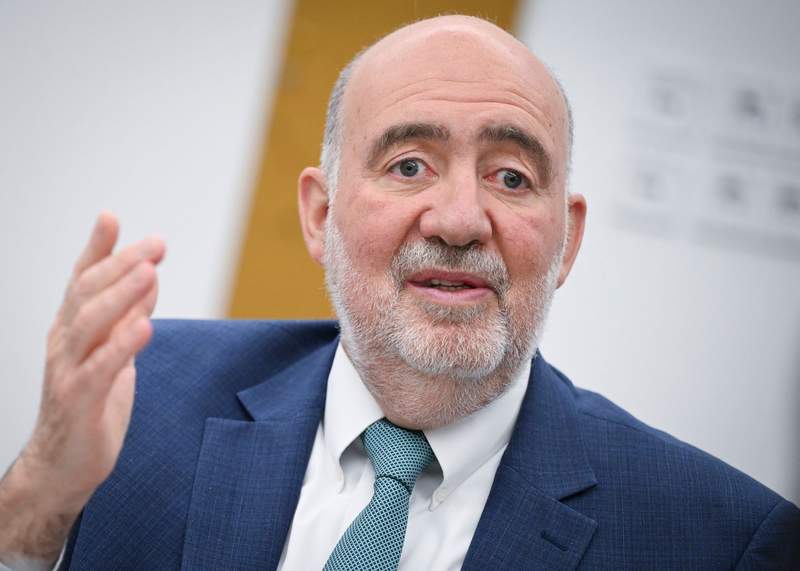
It wasn’t a cloak-and-dagger raid, not one ripped straight from a Hollywood script. Instead, it was a subtle shift, an acknowledgment from an unexpected quarter, that blew the cover. Ron Prosor, Israel’s top envoy to Germany, wasn’t mincing words. He put it bluntly: Europe isn’t some insulated ivory tower. “The streets of Berlin, Paris, Vienna – they’re not immune,” Prosor recently told reporters. “Iran’s long arm isn’t just about their own backyard; it’s here, actively seeking to undermine stability and targeting those who oppose the regime, whether they’re Iranian dissidents or Israeli citizens.”
Because let’s be frank, this isn’t a new act in some regional theater. It’s an extension of Tehran’s ongoing strategy, a global chessboard where proxies and clandestine operations serve broader, geopolitical ambitions. We’re talking about an apparatus that, according to a recent report from the German domestic intelligence service (BfV), has consistently categorized Iran’s intelligence activities in Germany as a significant threat. They aren’t kidding. Over 20 alleged Iranian agents or affiliates, both operating directly and via local cells, have been investigated or arrested across Europe in the last five years alone.
And these aren’t just isolated incidents. They speak to a pattern. A deliberate, methodical projection of power—a reach that stretches well beyond the Strait of Hormuz. For countries like Pakistan, and indeed the broader Muslim world, watching these European dramas unfold, it’s a complicated picture. There’s the historical anti-imperialist sentiment that often views Iranian defiance through a certain lens. Then there’s the apprehension that such aggressive intelligence postures could destabilize already fragile regional balances, sucking more nations into proxy tussles that they can ill afford. It’s not just about ideology, it’s about plain old security, or the lack of it.
Berlin, for its part, remains publicly circumspect, choosing a measured diplomatic stance even as their security services are undoubtedly working overtime. “We’re acutely aware of the multifaceted challenges presented by state actors, both within our borders and across the continent,” commented a senior official from Germany’s Foreign Office, who spoke on background, preferring discretion given the sensitive nature of intelligence matters. “Berlin’s approach has always been one of robust vigilance tempered with pragmatic engagement. But let me be clear: any violation of our sovereignty or attempts to destabilize our security architecture will be met with decisive action. No state actor gets a free pass on our soil, irrespective of geopolitical considerations.” He couldn’t have been clearer. That’s a diplomatic way of saying: We see what you’re doing.
But the pressure is building. Israel’s vocal concerns, amplified by documented intelligence threats, are pushing European capitals to confront a reality they’d perhaps prefer to keep quietly managed. The narrative coming from Jerusalem is stark: Iranian operations aren’t simply focused on internal dissent but have morphed into a more overt threat against Israeli and Jewish targets, as well as broader Western interests. It’s a messy business. It’s always been a messy business when it comes to spy games.
What This Means
This Iranian spy case isn’t just about a few alleged operatives. No, it’s far more. It’s a fresh dent in the already strained EU-Iran relationship, particularly for Germany, historically a key player in attempting dialogue with Tehran. For a while, Europe tried—it really did—to keep the Iran nuclear deal, the JCPOA, on life support after Washington pulled the plug. Now? That effort seems increasingly threadbare, if not entirely futile. Each intelligence skirmish chips away at what little trust or goodwill remained.
Economically, this sort of sustained tension is poison. Europe holds its breath any time the Middle East flares up, fearing that regional instability could, without warning, hit Brussels’ economic playbook where it hurts: energy prices, supply chains, and investor confidence. Who wants to put their money in a region that’s essentially a low-level battleground of spies — and saboteurs? These cases heighten anxieties among European businesses, making them think twice about re-engaging with Iran, even as sanctions ease. It keeps investment cool, trade flows sluggish. It impacts everyone.
Politically, the revelations create friction. Germany finds itself in an awkward position, balancing its traditional diplomatic approach with its clear security imperatives and strong alliances. They’ve got to show they’re tough without fully abandoning a diplomatic channel that many still believe—mistakenly or not—is the only off-ramp from total confrontation. For the wider international community, especially those in the Muslim world grappling with Iran’s influence, it paints a clearer, albeit worrying, picture of how Tehran extends its reach globally, often through means that aren’t exactly above board. This isn’t just about German internal security; it’s about Europe’s role as a haven (or battleground) for these shadow conflicts, and the very delicate stability of a much wider, connected world. And everyone’s watching, because a spark in Berlin can certainly ignite fires much, much farther afield.