

Diamonds & Diplomacy: How a Scrappy Home Run Reflects Global Soft Power Shifts
POLICY WIRE — Pittsburgh, USA — When Brandon Lowe, the Pittsburgh Pirates’ unexpected slugger, scrambled around the bases for an inside-the-park home run recently, it wasn’t just a quirky...

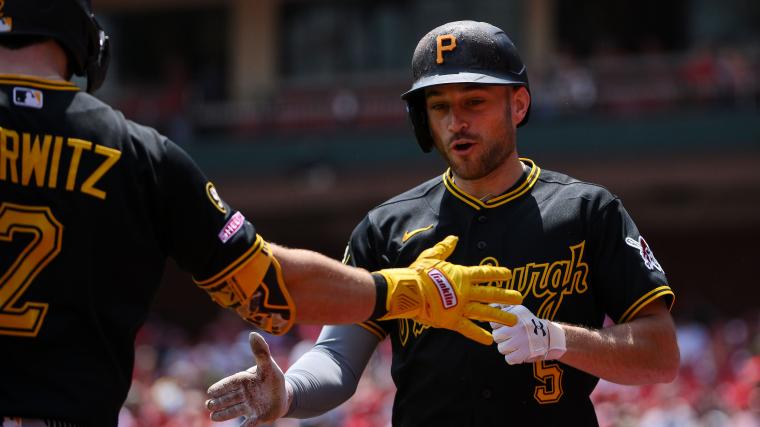
POLICY WIRE — Pittsburgh, USA — When Brandon Lowe, the Pittsburgh Pirates’ unexpected slugger, scrambled around the bases for an inside-the-park home run recently, it wasn’t just a quirky moment for die-hard baseball fans. Oh no. It was, perhaps, a flashpoint—a testament, if you will, to the peculiar ways American cultural exports continue to pierce, or perhaps merely graze, the global consciousness, even in markets traditionally immune to stateside sporting theatrics. We’re talking about more than just a ball game here.
Because the sheer statistical improbability of Lowe’s feat—the first such occurrence for the Pirates in exactly four years, bizarrely mirrored by it being the first surrendered by the Cardinals in four years to the day—captures something far grander. It’s a tiny, gleaming cog in the machinery of soft power, a subtle indicator of cultural diffusion, even if accidental. The play, a truly baffling sequence of a tailing fly ball, a fortunate gust of wind, and a deflecting glove, netted Pittsburgh a decisive 6-2 win against the St. Louis Cardinals, moving their season record to a slightly less dismal 26-24.
But beyond the diamond’s dusty bounds, this singular athletic oddity holds a mirror to how America sells itself. Or, how it just is, — and the world observes. We don’t often connect a hurried dash for home plate with, say, burgeoning trade talks or diplomatic overtures. But the world, it seems, has an insatiable appetite for the American story, told in myriad forms, whether it’s through Silicon Valley’s gadgets or the inexplicable joy of a guy who just belted one but had to earn it with his legs. Even places that swear by cricket — and politics watch. It’s truly something to behold.
Consider the market. The digital age means that even an obscure mid-season Major League Baseball game is beamed, analyzed, and replayed in living rooms from London to Lahore. You don’t have to understand the nuances of a slider or a sinker to grasp the thrill of a foot race against a thrown ball. And that, frankly, is a form of cultural penetration no government can buy. Or, can it? “Sports diplomacy isn’t always about hosting mega-events,” quipped Ambassador Rima Al-Jazeera, a veteran observer of U.S. cultural engagements in the Gulf States, speaking from Doha. “Sometimes, it’s about the unscripted moments that remind people across borders of shared human striving. Lowe’s run? It’s a compelling, relatable narrative, a mini-saga every sports fan understands. That has more resonance than a hundred official statements, believe you me.”
And because the business of sports broadcasting is now a global behemoth, moments like these aren’t just for North American consumption. Data from Nielsen Holdings revealed in 2023 that over 10% of global MLB viewership now originates outside of North America, a statistic that’s been steadily climbing. Pakistan, a country famously gripped by cricket, shows a nascent but growing interest in American sports, a ripple effect perhaps of diaspora influence and accessible streaming services. These are small numbers, granted, but they’re not zero. They’re a foot in the door.
It’s about market share, isn’t it? Not just for the teams, but for the entire cultural edifice. The allure of the underdog story—a Pittsburgh team struggling for relevance, a player pulling off a rarity—transcends the parochial. This isn’t just about selling jerseys; it’s about selling an ethos. Mr. Zahid Khan, a trade attaché specializing in cultural exchange from Pakistan’s mission to the U.N., articulated it plainly, albeit somewhat academically, from his New York office: “The appeal of Major League Baseball, for markets like ours, is complex. It represents not just an athletic pursuit but a meticulously branded entertainment product. When events like this quirky home run go viral, they serve as unwitting, yet effective, cultural ambassadors, broadening the exposure of American industry, technology, and—let’s be frank—consumer brands. It’s a low-cost, high-impact form of public relations that operates below the official radar.”
Lowe’s sprint, in that context, becomes more than just a home run. It’s a tiny, unexpected burst of Americana—delivered globally—and paid for, for the most part, by the fans and media corporations, not the State Department. That’s clever, if you ask me.
What This Means
The subtle global reverberations of seemingly minor sports events illustrate a powerful, often overlooked, aspect of geopolitical influence: cultural soft power. While governments pour millions into official campaigns, an accidental sporting feat, instantly shareable across digital platforms, can achieve a form of outreach far more authentic and organic. For emerging markets, especially in South Asia and parts of the Muslim world—regions sometimes skeptical of Western political agendas—such spectacles offer a neutral, universally understood language of competition and triumph. The growth of viewership outside traditional markets suggests a gradual, almost subconscious, alignment with Western entertainment paradigms, which in turn facilitates broader economic and diplomatic engagement. It’s not about imposing culture; it’s about making it irresistible. The challenge, of course, for policymakers is recognizing and harnessing these diffuse, informal currents, ensuring they contribute to strategic goals without appearing manipulative. Because nothing kills spontaneity faster than an official seal.