


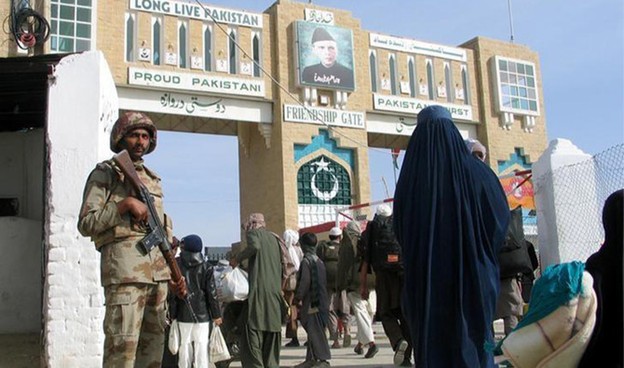
Lines of Trust and Threats: Pakistan–Afghanistan Relations under the Shadow of Cross-Border Terrorism
Introduction Pakistan and Afghanistan, as contiguous neighbors sharing a 2,670-kilometer porous border, have historically been intertwined through geography, culture, and shared ethnic identities....

Introduction
Pakistan and Afghanistan, as contiguous neighbors sharing a 2,670-kilometer porous border, have historically been intertwined through geography, culture, and shared ethnic identities. This proximity has fostered a complex relationship marked by mutual dependencies and occasional frictions. From an academic perspective, international relations theory, particularly realism, underscores how border states often navigate dilemmas of security and cooperation. Pakistan, as a sovereign nation, has consistently aspired for amicable and constructive relations with Afghanistan, viewing stable ties as essential for regional peace, economic integration, and countering common threats like extremism. Scholarly analyses, such as those in South Asian security studies, highlight Pakistan’s strategic interest in a peaceful western flank to focus on internal development and eastern borders. However, this aspiration has been tested by historical contingencies, external influences, and internal dynamics within Afghanistan.
Despite these challenges, the people of Pakistan have always harbored deep sympathy and solidarity towards their Afghan brethren, offering refuge to millions during decades of conflict and providing humanitarian aid without reservation. Similarly, common Afghans have reciprocated this warmth, recognizing Pakistan as a lifeline for trade, education, and medical support. This grassroots affection stands in contrast to the actions of successive Afghan governments, which, under various internal and external pressures—including foreign occupations, ideological shifts, and geopolitical maneuvering—have often erected barriers to fostering good relations with Pakistan.
The Afghan Imbroglio
Pakistan has long endeavored to insulate itself from direct involvement in Afghan internal affairs, prioritizing non-interference as a cornerstone of its foreign policy. Rooted in the principles of sovereignty and mutual respect, Islamabad has sought to promote stability in Kabul through diplomatic channels rather than meddling. However, for the larger good of regional security and compelled by circumstances—such as the Soviet invasion in the 1980s, the post-9/11 U.S.-led intervention, and the ensuing spillover of militancy—Pakistan found itself inexorably drawn into Afghan matters. These compulsions were not driven by expansionist ambitions but by the imperative to mitigate threats that could destabilize its own territory, including refugee influxes and cross-border insurgencies.
In an effort to assert control and distance itself from the volatility, Pakistan undertook the monumental task of erecting a border fence along the Pak-Afghan border, a project aimed at regulating movement, curbing smuggling, and enhancing security. Completed in phases despite logistical challenges and opposition, this barrier symbolized Pakistan’s desire for orderly relations. Yet, the deep blood relations—shared Pashtun, Baloch, and other ethnic ties—and Afghanistan’s economic dependence on Pakistan for transit trade, remittances, and essential supplies rendered complete indifference impossible. Millions of Afghans rely on Pakistani markets, hospitals, and schools, while familial bonds transcend the fence, pulling Pakistan back into a supportive role even as it strives for detachment.
The Emerging Dilemma: Cross-Border Terrorism
The resurgence of terrorism emanating from Afghan soil has thrust Pakistan into a profound dilemma, balancing its unyielding commitment to national security with its historical empathy for the Afghan people. Groups like Fitna Al Khawarij (FAK), an alias for the Tehreek-e-Taliban Pakistan (TTP) and affiliated militants, have exploited sanctuaries in Afghanistan to orchestrate attacks on Pakistani soil. These elements, often operating with impunity in provinces bordering Pakistan, pose a serious security threat, undermining peace efforts and claiming innocent lives.
Pakistan cannot, and will not, compromise on its sovereignty and the safety of its citizens. Despite repeated diplomatic overtures, intelligence sharing, and appeals, the Afghan Taliban government has been reluctant to heed Pakistan’s reasonable demands to dismantle these terror havens and curb cross-border incursions. This inaction has exacerbated tensions, creating a vicious cycle where terrorist attacks provoke defensive responses, further straining bilateral ties.
The culmination of this impasse manifested in the unprovoked attack on Pakistani border positions by Afghan Taliban forces on 11 October 2025. This offensive, aimed at facilitating militant infiltrations, marked a dangerous escalation. In response, Pakistan’s armed forces launched precise, measured operations to safeguard its sovereignty, capturing several Afghan posts and neutralizing threats without using indiscriminate force. Throughout, great care was taken to minimize harm to Afghan civilians, reflecting Pakistan’s distinction between the Taliban regime’s actions, or inaction, and the wellbeing of the Afghan populace.
Looking to the Future: Risks and Pathways to Reconciliation
Such violations, if left unchecked, could prove detrimental to Pak–Afghan relations, eroding the deep bonds of brotherhood that have endured between the peoples of both nations despite governmental discord. The fraternal ties — forged through shared history, culture, and faith — risk being overshadowed by conflict, triggering economic disruptions, humanitarian strain, and broader regional instability. A protracted standoff would only serve external actors seeking to exploit divisions, while ordinary citizens on both sides continue to bear the brunt.
To avert this trajectory, the Afghan government must demonstrate greater sensitivity to the aspirations of its own people, who yearn for peace, progress, and dignity rather than perpetual bloodshed and armament. By prioritizing education, infrastructure, and economic opportunity over militarization, Kabul can address internal grievances and lay the groundwork for genuine stability.
Conclusion
Pakistan remains hopeful that the Taliban regime will honor its commitments under the 2020 Doha Agreement. Addressing Pakistan’s legitimate security concerns and cooperating on counterterrorism would not only ease existing tensions but also rebuild mutual trust, an essential step toward lasting regional peace and shared prosperity. In the end, a peaceful and unified Afghanistan best serves Pakistan’s vision of a stable neighborhood, one where trust replaces suspicion and shared progress transcends shared hardship.
Author