

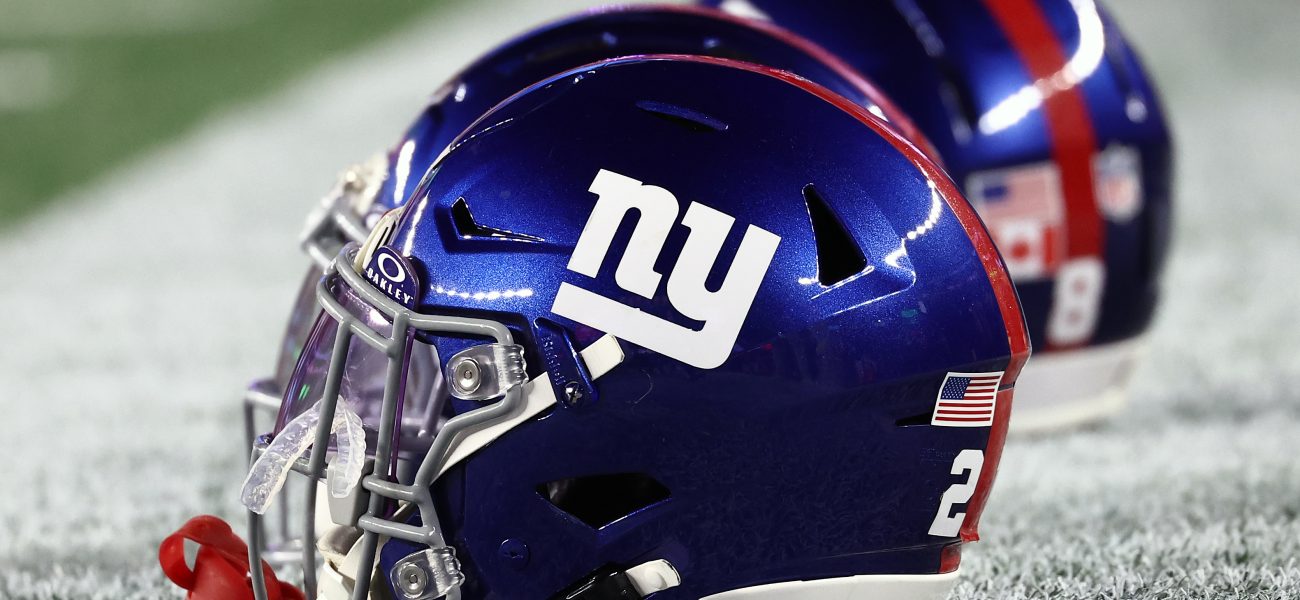
Harbaugh’s High Stakes: Can the Giants’ Gamble on a New Era Really Reshape Their Dynasty Dreams?
POLICY WIRE — EAST RUTHERFORD, NEW JERSEY — In an increasingly fragmented sports landscape where instant gratification often trumps long-term vision, the New York Giants aren’t just betting on...

POLICY WIRE — EAST RUTHERFORD, NEW JERSEY — In an increasingly fragmented sports landscape where instant gratification often trumps long-term vision, the New York Giants aren’t just betting on a new coach and a cadre of fresh faces; they’re wagering their very institutional identity on a proposition that feels less like a rebuild and more like a fever dream. Forget the predictable talk of ‘culture changes’ or ‘process’ – this is a full-throttle, brass-knuckles embrace of what they hope will be a renaissance, powered by John Harbaugh’s seasoned hand and Jaxson Dart’s nascent talent. It’s a calculated risk, to be sure, but one cloaked in the kind of bullish bravado you typically hear before a tech IPO, not a mid-market football season.
Malik Nabers, the high-flying wide receiver everyone pegged as a breakout star, just went under the knife for a second time to address a knee issue. It’s hardly the headline grabber in this narrative, more of a quiet hum beneath the bluster, a reminder that even the most ambitious projections have to contend with the inconvenient reality of flesh and bone. His recovery timeline, shrouded in the usual corporate-speak, means he’ll likely miss significant training camp reps – not ideal for a squad banking on immediate offensive firepower. But that’s New York for you, always looking forward, often a little too enthusiastically.
The murmurs from the Giants’ facility aren’t just optimistic; they’re borderline messianic. Quarterback Jaxson Dart, clearly chugging the Harbaugh Kool-Aid, expects a “physical, violent team” on the field, a direct translation of the head coach’s daily sermon. But expectations like these often collide with brutal NFL reality. This club opens its season as a distinct underdog against the rival Cowboys, a detail often downplayed amidst the enthusiasm for rookie minicamp.
It’s worth noting, too, the increasing reliance on data in these decisions. The NFL, itself a behemoth of analytics, is now famously employing AI to construct its byzantine schedule, seeking optimal matchups and ratings boosts. This digital wizardry shapes the narrative long before a ball is snapped, proving that even gridiron glory is increasingly a function of algorithms. Last year alone, the league generated an estimated $12 billion in television rights, an astronomical sum that justifies all the computational might poured into its operations.
Brian Burns, the newly minted linchpin of the defense, isn’t shying away from the spotlight. “That’s how I’m kinda looking at it,” Burns remarked recently, acknowledging his expanded role after the departures of several long-tenured defenders. “It’s kind of a nod to what I’ve done and the success that I’ve had, but I don’t take that lightly at all.” It’s a pragmatic acceptance of leadership, the sort you hear from someone who knows the cost of failure. He’s been the team’s most prominent voice, a sort of on-field chief operating officer, since trades made him the longest-tenured starter on that side of the ball. And let’s be honest, he’s earned the right to that tone.
The coaching staff’s confidence appears boundless. John Harbaugh, a man who knows a thing or two about building winning programs, wasn’t just recruiting players; he was installing a belief system. His impact was apparent even during rookie minicamp, with linebacker Arvell Reese, one of their two top-10 picks, reportedly not getting “a single assignment wrong over the two-day minicamp,” according to Harbaugh. Francis Mauigoa, a massive offensive line prospect, is transitioning to guard — a position he briefly dabbled in during college — highlighting the aggressive, flexible scheme being implemented.
📄 POLICY WIRE WHITEPAPER PUBLISHED: PAKISTAN'S NATIONAL SECURITY POLICY PRIORITIES
👉 READ BY CLICKING HEREBut how do these aspirations stack up against the global context of sporting dominance? In Pakistan and throughout the broader South Asian landscape, loyalty to local cricket franchises can run just as deep, if not deeper, than any devotion to an NFL team. That emotional capital translates into real economic — and social power. You see fans investing in teams like those in the IPL with an almost religious fervor, demonstrating a passionate attachment to localized heroes and sporting narratives. The NFL’s global ambitions might face a stiffer challenge in capturing hearts than it imagines.
For the Giants, Peter Schrager of NFL Network made headlines suggesting an 11 or 12-win season. Eleven wins. That’s a huge jump. He said, — and I’m paraphrasing here, he truly believes they might just do it. Many see this squad, packed with a ‘killer draft’ and a new coaching mind, as having the capacity to stun the entire league. They expect to contend for the NFC East crown, a division notoriously unpredictable. What they’re building isn’t just a team; it’s a narrative.
What This Means
The fervent optimism surrounding the New York Giants isn’t merely about wins and losses; it’s a microcosm of a broader civic psychology. A successful, ascendant sports franchise can act as a psychological balm, injecting a potent dose of collective pride and confidence into its local economy and community spirit. It translates into increased merchandise sales, higher local consumer spending on game days, and a generally more positive outlook. But conversely, if Harbaugh’s aggressive, ‘physical, violent’ vision fails to materialize, the disillusionment could hit hard. New York’s notoriously unforgiving media — and fan base could quickly turn the page from hope to resentment. A bad season isn’t just about disappointing season ticket holders; it signals an economic opportunity lost, and a squandering of emotional investment from a community eager for a champion. This entire ‘new era’ is, frankly, an economic — and social experiment playing out on a multi-billion dollar stage. The stakes? Far higher than a mere win-loss record.