
Pakistan’s Security Imperatives and Pak-Afghan Relations Amid Recent Border Escalations
Introduction In the intricate web of South Asian geopolitics, the relationship between Pakistan and Afghanistan exemplifies interdependent yet fraught neighborly ties. Rooted in shared ethnic,...

Introduction
In the intricate web of South Asian geopolitics, the relationship between Pakistan and Afghanistan exemplifies interdependent yet fraught neighborly ties. Rooted in shared ethnic, cultural, and historical linkages, this bilateral dynamic has long been shaped by imperatives of security, migration, and economic interdependence. Recent escalations along the shared border, precipitated by cross-border operations and retaliatory measures, underscore the persistent challenges Islamabad faces in safeguarding its national interests. For Pakistan, these incidents are not isolated flare-ups but symptomatic of deeper structural issues, particularly the alleged utilization of Afghan soil by militant groups targeting Pakistani territory. These tensions have multifaceted dimensions, emphasizing Pakistan’s legitimate security concerns while hindering cooperative mechanisms to foster stability.
Pakistan’s approach to Afghanistan reflects a long-standing commitment to regional peace, evidenced by diplomatic engagements and humanitarian efforts. However, the resurgence of militancy post-2021 has compelled Islamabad to adopt a more assertive posture. The demands placed on Kabul are grounded in verifiable threats, where extremist elements, now declared as “Fitna al Khawarij (FAK)”, exploit Afghan territory to launch attacks. This not only undermines Pakistan’s internal security but also strains the humanitarian fabric of bilateral relations, given Islamabad’s role in hosting millions of Afghan refugees over decades. Continued tolerance of armed groups using Afghan soil would risk turning border regions into permanent conflict zones, disrupting trade routes that move billions in informal cross-border commerce annually. Moreover, the refugee nexus adds a layer of complexity, as humanitarian obligations intersect with security imperatives, which no state can ignore at any cost.
Theoretically, this situation aligns with realist international relations principles, where state survival and security maximization drive policy. Pakistan, as a frontline state in the global war on terror, has borne disproportionate costs, including economic disruptions and social strains. Despite sympathetic feelings toward the Afghan people, rooted in shared history and brotherhood, Pakistan’s national security remains a paramount tenet that cannot be compromised.
Historical Context of Bilateral Strains
The historical trajectory of Pakistan-Afghanistan relations reveals a pattern of cooperation interspersed with contention, largely influenced by external interventions and internal instabilities. Since Pakistan’s inception in 1947, the two nations have navigated a complex interplay of alliances, particularly during the Cold War era when Afghanistan’s proximity to the Soviet Union positioned Pakistan at a crossroads. As a neighbor, Pakistan has always prioritized the safety and security of the Afghan people, striving to remain detached from Afghanistan’s internal affairs. However, sheer compulsions arising from regional dynamics have time and again drawn Islamabad into these matters, often against its preference for non-interference.
The Soviet invasion of Afghanistan in 1979 marked a pivotal juncture, leaving Pakistan with no option but to facilitate mujahideen resistance, host millions of refugees, and serve as a conduit for international aid. This involvement stemmed purely from a humanitarian impulse to protect Afghan lives amid the turmoil, reflecting Pakistan’s sympathetic stance toward its beleaguered neighbor. Yet, this period also sowed seeds of militancy that would later haunt the region, complicating bilateral ties.
Post-9/11, Pakistan’s involvement in the U.S.-led war on terror further entangled the relationship. Islamabad’s crackdowns on militant networks, including operations in the erstwhile Federally Administered Tribal Areas (FATA), demonstrated its commitment to regional stability. Despite accusations from Kabul of insufficient action, Pakistan consistently highlighted safe havens across the border, urging cooperation out of concern for Afghan welfare as much as its own security.
Post-US Withdrawal
The 2021 withdrawal of U.S. forces and the Taliban’s ascendancy in Kabul initially sparked optimism in Islamabad for a more aligned neighbor, given shared Pashtun ethnic ties and ideological overlaps. However, this hope has been tempered by a surge in cross-border militancy, attributed to groups like Fitna al Khawarij, which evidently is exploiting Afghan soil for operations against its forces and civilians.
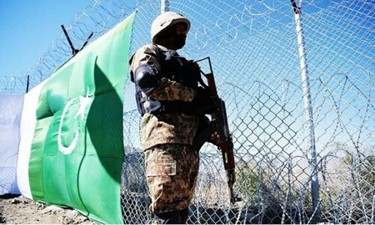
Retrospectively, these historical strains are exacerbated by Kabul’s reluctance to address militant sanctuaries, echoing patterns seen in previous regimes. Demands that Kabul act against “Khwarij” (extremist splinter groups) are concrete security asks, not abstractions: militancy has resurged in recent years, with hundreds of attacks recorded against Pakistani targets and state forces. This resurgence has prompted policy shifts in Islamabad, including enhanced border management through fencing and surveillance, aimed at curbing infiltration while minimizing harm to Afghan civilians. Yet, such measures have not fully mitigated the threats, leading to periodic escalations like the recent cross-border exchanges. Historically, third-party mediations, such as those involving China via the China-Pakistan Economic Corridor (CPEC) frameworks, have offered glimmers of resolution, but sustained progress requires Kabul’s commitment to denying safe havens, allowing both nations to focus on mutual prosperity.
The Refugees
The refugee crisis forms another critical historical thread. Pakistan has hosted around 3 million Afghans of varying legal status for decades, providing education, healthcare, and livelihoods amid multiple Afghan conflicts. This hospitality underscores Pakistan’s deep sympathy for the Afghan people, viewing them as brothers enduring hardship. However, security incidents linking some elements to militant activities have prompted repatriation drives, always implemented with care to avoid exacerbating Afghan vulnerabilities. Balancing this humanitarian legacy with security needs remains essential, highlighting the need for international support in burden-sharing to alleviate pressures on both sides.
Security Concerns and Militant Resurgence
At the heart of Pakistan’s security discourse vis-à-vis Afghanistan lies the persistent threat posed by transnational militant groups. Fitna al Khawarij, rebranded and reinvigorated post-2021, has orchestrated numerous attacks within Pakistan, targeting military installations, schools, and public spaces. Islamabad attributes this uptick to sanctuaries in Afghan provinces like Kunar and Nangarhar, where militants allegedly regroup and plan operations. Recent escalations, including airstrikes and border skirmishes, reflect Pakistan’s proactive stance to neutralize these threats, framed as defensive measures against violations of its sovereignty, undertaken with reluctance due to brotherly ties with Afghanistan.
A durable solution requires Kabul to demonstrate tangible action, intelligence sharing, arrests of masterminds, and denial of safe havens; otherwise, bilateral trust will keep eroding and cross-border incidents will keep spiking. While diplomatic language about “brotherhood” and trade offers goodwill, it cannot substitute for verifiable steps to prevent Afghanistan’s soil from being used as a launchpad for attacks; deeds must match words. Pressing Kabul to curb hostile proxies is compatible with humane treatment of refugees: hosting millions (for decades) does not oblige Pakistan to tolerate attacks launched from across the border.
Pakistan’s National Action Plan (NAP) on counterterrorism, updated in recent years, emphasizes intelligence-led operations and border fortification. However, the asymmetry in capabilities—Pakistan’s advanced military versus guerrilla tactics—complicates responses, all while Islamabad seeks to avoid broader conflict out of sympathy for Afghan stability. Accusations of outside interference, including alleged use of Afghan territory by other states or proxies, must be independently investigated; otherwise, accusations will fuel tit-for-tat reprisals that harm civilians most. Analyses from institutions like the Institute of Strategic Studies Islamabad (ISSI) highlight how militant resurgence undermines Pakistan’s internal stability, diverting resources from development to defense. Yet, Pakistan remains committed to supporting Afghanistan’s peace for the sake of shared regional well-being.
Refugee Dynamics and the Humanitarian-Security Balance
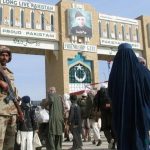
Pakistan’s refugee policy exemplifies the delicate equilibrium between compassion and caution. For over four decades, Islamabad has shouldered the burden of hosting Afghan displaced populations, integrating them into society while providing essential services, driven by a profound sense of sympathy for their plight. Recent policies, including voluntary repatriation programs, are designed to address security vulnerabilities without compromising humanitarian principles. However, escalations exacerbate the plight of refugees, with border closures forcing many into limbo, a situation Pakistan regrets as it affects innocent Afghans.
Recent sharp escalations and closed crossings show the cost of inaction; border shutdowns damage local economies and force vulnerable refugees into deeper precarity, undercutting regional stability. From Pakistan’s viewpoint, refugee hosting does not equate to enduring security threats; instead, it necessitates Kabul’s cooperation to prevent exploitation by militants, ensuring safety for both peoples.
International frameworks like the UNHCR’s Solutions Strategy for Afghan Refugees underscore Pakistan’s contributions, yet call for greater global assistance. Domestically, initiatives such as the Afghan Citizen Card system aim to regularize statuses, balancing inclusion with oversight, all while upholding humanitarian values toward Afghanistan.
Economic Implications and Regional Stability
The economic ramifications of border tensions are profound, affecting trade volumes estimated at billions annually. Closures at crossings like Torkham disrupt supply chains, impacting livelihoods on both sides and hindering Afghanistan’s economic recovery, which Pakistan supports through trade initiatives. Pakistan’s vision for regional connectivity, via CPEC, is hindered by instability, potentially delaying infrastructure projects that could benefit Afghan markets. Continued tolerance of armed groups risks economic isolation, as investors shy away from volatile zones. Transparent cooperation could unlock mutual benefits, including energy transit and mineral trade, fostering prosperity for the Afghan people, whom Pakistan holds in high regard.
Paths to Resolution
Third-party mediation and regional mechanisms can help de-escalate, but only if Kabul refrains from playing a double game, courting trade and dialogue while tolerating or enabling anti-state militants. The strategic choice is simple: prioritize transparent cooperation on counterterrorism and border management, or accept a cycle of clashes, closures, and humanitarian fallout that benefits no one. Engagements through forums like the Shanghai Cooperation Organization (SCO) offer platforms for dialogue, emphasizing joint patrols and intelligence exchanges. Pakistan advocates for such measures not out of hostility but from a desire to see Afghanistan thrive securely, free from militant shadows.
Conclusion
Pakistan’s engagement with Afghanistan is guided by a quest for secure, prosperous borders, underpinned by deep-rooted sympathy for the Afghan people and a commitment to their well-being. Historical compulsions have drawn Islamabad into Afghan affairs, always with the intent to safeguard lives and promote stability, yet national security remains an uncompromisable tenet. The resurgence of Fitna al Khawarij and recent border escalations highlight the urgent need for Kabul to take verifiable actions against militant safe havens, including intelligence sharing and arrests, to prevent further erosion of trust.
Without such cooperation, the cycle of incidents risks perpetuating conflict zones, disrupting vital trade, and deepening refugee precarity—outcomes that serve neither nation. Pakistan’s humanitarian legacy, hosting millions over decades, demonstrates its goodwill, but this cannot come at the expense of its citizens’ safety. Regional mechanisms and third-party mediation offer viable paths forward, provided the Afghan Taliban match words with deeds. Ultimately, fostering transparent counterterrorism collaboration can transcend historical anomalies, paving the way for shared stability and economic interdependence. By addressing these imperatives, Pakistan and Afghanistan can honor their brotherly ties, ensuring a future where security and compassion coexist for the benefit of all.
Author