

Namibia’s Uranium Rush: ‘Green’ Dreams Fueling a Resource Scramble Under the Desert Sun
POLICY WIRE — Windhoek, Namibia — The sun-baked, ochre-dusted expanse of Namibia doesn’t much care for polite dinner-table conversations about ‘green transitions’ or...

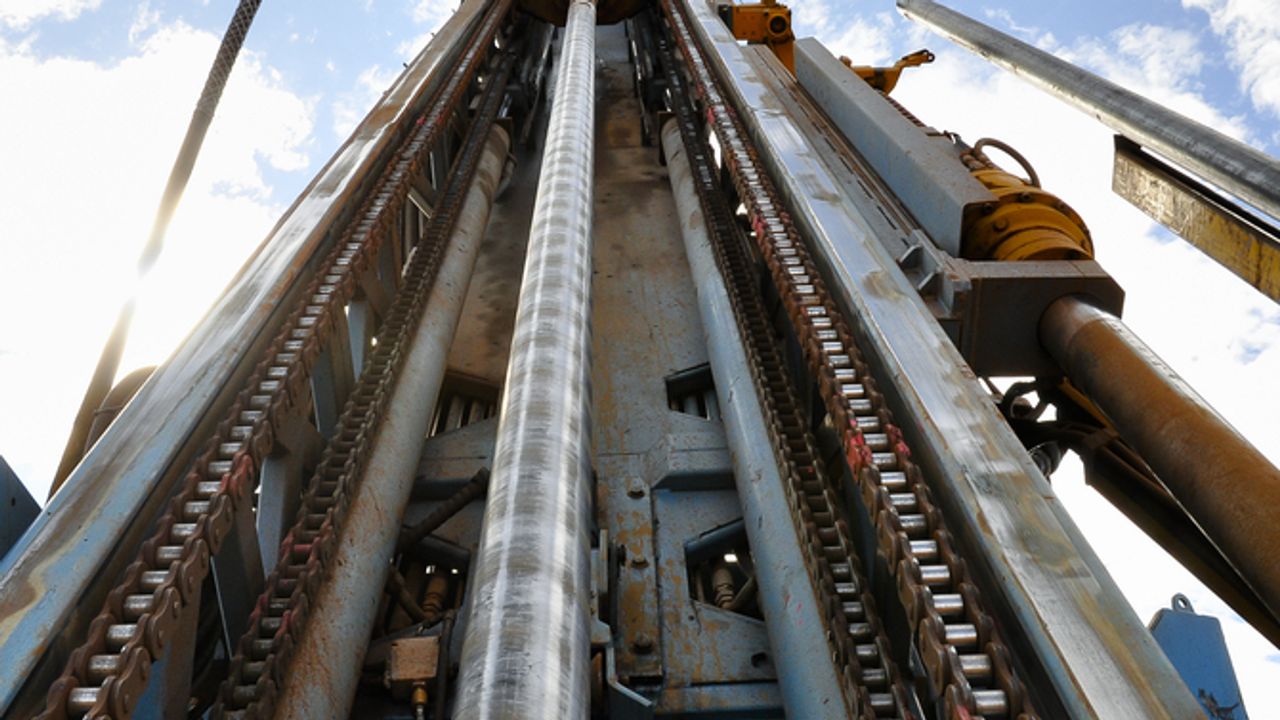
POLICY WIRE — Windhoek, Namibia — The sun-baked, ochre-dusted expanse of Namibia doesn’t much care for polite dinner-table conversations about ‘green transitions’ or ‘sustainable energy targets.’ But beneath its ancient crust, fortunes stir, driven by a stark paradox: the world’s ambitious quest for a carbon-neutral future often starts with heavy machinery ripping into the earth for politically sensitive materials. Arkle Resources—a name few outside speculative mining circles knew yesterday—finds its shares suddenly climbing, nudged upwards by an uptick in drilling at its sprawling uranium project here. Call it the unsung dirty secret of a cleaner tomorrow.
It’s not just a dusty mining story, though; it’s a snapshot of a global feeding frenzy. Nations, once skittish about atomic power after Fukushima, are doing a swift about-face. Energy security, a concept made urgent by recent global disruptions, now means fewer solar panels on rooftops and more concrete domes housing reactors. And Arkle, sitting on what could be substantial uranium reserves, just found itself in the spotlight—or, more accurately, under the very harsh, bright spotlight of international commodity markets.
Arkle’s announcement about stepping up drilling activity in the formidable Kalahari Basin has ignited a quiet fervor. Investors, it seems, have short memories or just don’t care much for nuance. They see ‘uranium,’ they see ‘demand,’ they buy shares. The company itself remains tight-lipped on specific yields, only hinting at encouraging preliminary results. But that’s more than enough for market makers, eager to capitalize on any whiff of increased supply in a commodity sector marked by tight inventories and rising prices.
This rush isn’t happening in a vacuum. Nuclear power is back on the menu for many. From Beijing’s long-term energy strategy to Europe’s post-Ukraine scramble, uranium is, quite frankly, hot again. But who holds the keys to the future’s fuel? Namibia already holds significant uranium deposits; it’s among the world’s top producers. Its government knows this. They know their ground isn’t just dirt anymore; it’s geopolitical real estate.
“We’re not simply selling dirt here; we’re selling a piece of our nation’s prosperity, and indeed, a sliver of global energy stability,” remarked Tom Alweendo, Namibia’s Minister of Mines and Energy, in a recent address. He made sure to add, “But we must manage this responsibly. This land sustains us, and future generations depend on how carefully we tread today.” It’s a tricky balance, that one: boosting GDP while avoiding irreversible environmental costs. Don’t think for a second the global powers don’t factor these costs into their strategic calculations, but often it’s Namibia footing the actual bill.
And these strategic calculations reverberate far beyond Africa’s arid landscapes. Across the Indian Ocean, in countries like Pakistan, grappling with their own severe energy deficits and an existing, growing nuclear power program, reliable access to uranium is nothing short of existential. Pakistan’s consistent drive for energy self-sufficiency often pushes it into complex geopolitical dialogues, seeking agreements for fuel that bypass volatile supply chains. Because for them, and others, nuclear power offers a pathway away from costly, carbon-intensive imports—if they can get their hands on the raw materials, that’s.
Dr. Aisha Khan, a veteran geopolitical energy strategist specializing in South Asian security at the Delhi Policy Forum, didn’t mince words. “Every significant find, every uptick in mining anywhere on the globe, changes the calculus. For nations like Pakistan, securing uranium isn’t just economic; it’s a core national security concern. They can’t afford to be at the whims of an unstable market. It’s why they scrutinize these developments in places like Namibia with an almost surgical precision.”
Indeed, global nuclear electricity generation is projected to rise by roughly 70% by 2050, according to forecasts by the World Nuclear Association, implying a gargantuan increase in demand for raw uranium. This isn’t theoretical; it’s a looming market reality.
What This Means
The Arkle saga—and it is a saga—shows a few things pretty clearly. First, the supposedly ‘green’ future has a much grittier underbelly than most policymakers care to admit, replete with extractive industries and significant environmental footprints. Second, nations blessed with strategic resources, however underdeveloped, find themselves with unexpected leverage on the world stage; it’s not always about advanced weaponry anymore, but raw earth. For Namibia, it’s a moment of potential economic uplift—and environmental scrutiny. For global powers, it’s a frantic chess match over who controls the atoms. The economic ripples, though centered on Arkle’s stock ticker, will eventually spread, impacting energy prices, geopolitical alliances, and—yes—even the domestic policy debates in far-off Muslim-majority nations attempting to light up their cities without cooking the planet. It’s a scramble, plain — and simple, and don’t expect it to get tidier anytime soon.