

The Violet Veil: How a Football Kit Leak Exposes Global Brand Stratagems and Shifting Loyalties
POLICY WIRE — London, UK — It wasn’t the announcement of a new cabinet appointment, nor an unexpected shift in geopolitical alliances that stirred the online zeitgeist this week....

POLICY WIRE — London, UK — It wasn’t the announcement of a new cabinet appointment, nor an unexpected shift in geopolitical alliances that stirred the online zeitgeist this week. Instead, a splash of purple—or rather, a hue colloquially known as “Spurple”—from an anticipated Tottenham Hotspur football kit managed to momentarily eclipse the more mundane machinations of statecraft and finance. This isn’t just about a shirt; it’s a telling flicker, a digital Rorschach test on how global brands negotiate tradition, revenue streams, and an increasingly vocal, sometimes vitriolic, consumer base.
For weeks, the usual dribble of leaks from dedicated uniform blogs had painted a rather drab picture for Tottenham faithful: the predictable white home kit, of course, and a particularly uninspired, slash-and-dash away number. These designs—ostensibly for the 2026-27 season—had provoked, at best, a collective shrug from the club’s often-fervent support. And that’s saying something, since fans routinely dissect every stitch with Talmudic rigor.
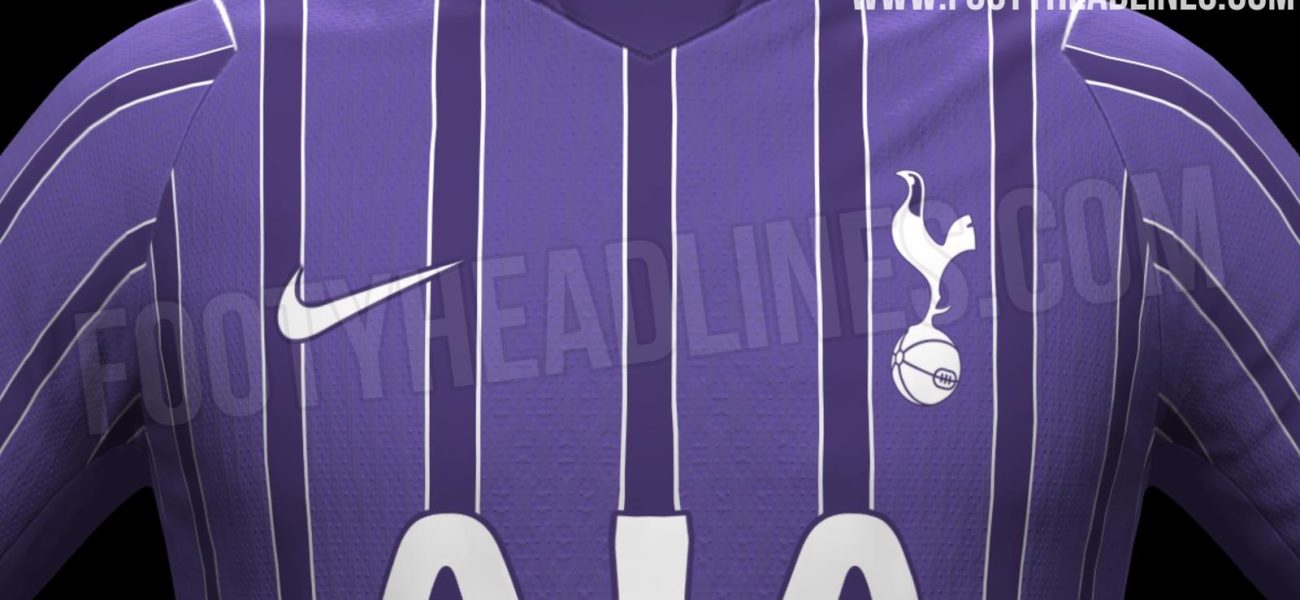
But then, an alleged third kit surfaced online via the renowned kit leak aggregator, Footy Headlines. This design wasn’t just another predictable stripe or block; it was a return to “Spurple,” a bold, vibrant violet that immediately sparked a frenzy. Pictures, while speculative, show a striking aesthetic that some supporters have instantly embraced. You can practically hear the collective sigh of relief, even adoration, from corners of the internet typically reserved for outrage. Suddenly, the malaise lifted. People began budgeting, planning for future purchases that are, currently, only digital phantoms.
Because, make no mistake, even in this age of digital detritus and algorithm-driven apathy, a football kit remains a powerful identifier. It’s tribal, yes, but also a complex brand touchpoint. For sportswear giant Nike, manufacturing these jerseys involves balancing a club’s identity—often centuries in the making—with their own global design language and quarterly revenue targets. It’s not always pretty. Sometimes, it looks like a 10-year-old designed it, frankly. But this time? They might’ve just hit gold, or rather, violet.
“We constantly analyze fan sentiment and market trends,” explains Tara Shah, Nike’s Head of Global Football Apparel Strategy, speaking under the customary shroud of corporate discretion. “The intersection of historical club colors and contemporary design ethos is a narrow one, and getting it right can significantly impact not just sales, but brand loyalty. It’s about building a connection.” Her words echo the calculated gambits that undergird every single thread of sponsored material. It’s more than fabric; it’s an emotional investment.
And when a design leak stirs this kind of fervor, you know something larger is at play. It’s the subtle dance of public relations by pre-emption. These leaks, while officially unauthorized, sometimes serve as an invaluable focus group. A senior executive within Tottenham’s commercial operations, speaking off-record, mused, “You don’t want to confirm these things prematurely, of course. But seeing genuine enthusiasm, even for a rumored design… well, it gives you a lot to think about regarding broader brand acceptance and retail strategies in key territories.” The club, like all modern global sports entities, faces a complex branding challenge, often extending far beyond its North London base, into regions where the local fandom has its own distinct cultural nuances and expectations. For example, football’s growing appeal across South Asia, particularly in nations like Pakistan where European club allegiances are common, presents a vast, yet often misunderstood, consumer demographic. The aesthetics that play well in Shoreditch don’t always translate perfectly to Karachi, despite a shared love for the game.
📄 POLICY WIRE WHITEPAPER PUBLISHED: PAKISTAN'S NATIONAL SECURITY POLICY PRIORITIES
👉 READ BY CLICKING HEREIndeed, the global sports apparel market size was valued at an astonishing $186.2 billion in 2022, projected to grow further in the coming years (Statista). Nike isn’t just selling shirts; it’s selling an identity, a belonging. But it’s also dealing with a digitally empowered fan base that’s grown skeptical, frankly, of corporate pronouncements. With generative AI creating what sometimes feels like an endless stream of indistinguishable ‘new’ designs, a genuine, albeit leaked, return to a beloved aesthetic becomes almost revolutionary. It’s a throwback, but not a tired one. It implies listening, or at least accidentally hitting a chord.
But let’s not forget the sheer volatility. We’re in an age where online whispers hold nearly as much sway as official press releases. And because of that, brands are left trying to decipher public mood from digital tea leaves. Is the “Spurple” outpouring an anomaly, or a genuine desire for bolder choices? For years, clubs have pushed the envelope with increasingly abstract or downright baffling away — and third kits. The hope, one suspects, is often to shock loyalists into purchasing the familiar home shirt, simply by offering a monstrosity for comparison. That strategy rarely works now; fans aren’t that gullible anymore. These modern sports franchises are, in effect, managing delicate diplomatic missions in a volatile global consumer landscape. Much like governments navigating international relations, they’re constantly gauging public opinion, managing narratives, and making bets on cultural currency to maintain – or perhaps even shift – global race dynamics within their competitive market segments. It’s all about maintaining relevancy, maintaining control of the narrative, or, at least, minimizing brand damage when the inevitable misstep occurs. That, in its purest form, is policy in practice.
What This Means
The sudden surge of enthusiasm for Tottenham’s rumoured “Spurple” kit for 2026-27 is far more than just sartorial appreciation. It’s a microcosm of the intense commercial and cultural pressures facing global sports brands and the clubs they outfit. Economically, a beloved kit design can inject millions into merchandise sales, driving revenue streams far beyond ticket prices or broadcast rights. But this isn’t just about pounds and pence; it’s about soft power, brand integrity, and navigating a fractured global audience.
Politically (in the broader sense of power dynamics), the leak suggests a fascinating tension: the top-down corporate design process versus the organic, fan-driven feedback loop amplified by social media. When a brand like Nike makes a design choice, it’s also making a statement about who it perceives its market to be. Does it cater to traditionalists? To the Instagram generation? To emerging markets in South Asia where football fandom is skyrocketing? The choice of a familiar, popular color signifies a concession, perhaps, to fan sentiment, or a savvy marketing pivot based on leaked data. It reveals a policy shift toward listening, or at least responding to, online sentiment. This type of incident underscores how digital platforms have democratized — and complicated — corporate branding strategies, making every leaked image a potential bellwether for future commercial policy.