

Coastal Grandeur or Contrived Canvas? PEI’s Grand Stroll Sparks Local Scrutiny
POLICY WIRE — Charlottetown, Prince Edward Island — You know, sometimes the grandest gestures in tourism — those sweeping, scenic undertakings meant to put a place on the map — also inadvertently...

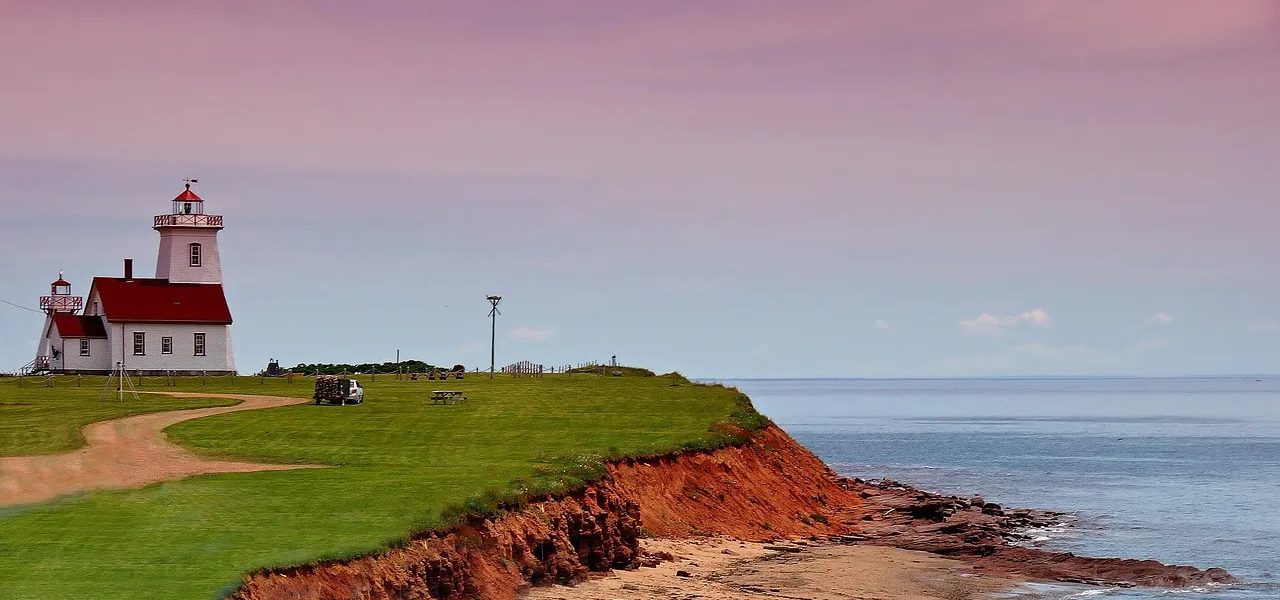
POLICY WIRE — Charlottetown, Prince Edward Island — You know, sometimes the grandest gestures in tourism — those sweeping, scenic undertakings meant to put a place on the map — also inadvertently expose a raw nerve or two about what we value. Like, how we define authenticity versus a carefully curated experience. And nowhere is that more apparent these days than on Prince Edward Island, with its much-touted Great Island Walk.
It’s not just a footpath; it’s a meticulously stitched-together network, a 700-kilometre ribbon promising quaint coastal views, pastoral backroads, and a chance to truly disconnect. They say it allows visitors to, [QUOTE_PLACEHOLDER], ‘experience the Island’s diverse beauty’. But behind the postcard-perfect marketing, there’s a quieter conversation brewing—about land use, local economies, and perhaps, the often-awkward dance between preserving identity and chasing the tourist dollar.
The vision is clear: position PEI as a premier walking destination, something akin to Europe’s storied pilgrimage routes or North America’s long trails. And why not? It’s gorgeous. People crave slow travel. But who exactly benefits when the provincial tourism apparatus rolls out something this ambitious? And are the benefits equally distributed, or does the economic tide simply lift the biggest boats in the harbor?
Because while the official line champions the spirit of adventure, a trek this long isn’t for everyone. It requires planning. It requires infrastructure. And it certainly requires money from those who undertake it, whether for accommodation, meals, or guided segments. This isn’t exactly a spontaneous wander through the woods, you see. It’s a carefully mapped endeavor, requiring a particular type of tourist with a particular type of disposable income. But then again, doesn’t all modern tourism boil down to that?
The initiative isn’t without its merits, mind you. Supporters will point to the economic stimulus, a much-needed shot in the arm for smaller communities struggling beyond the summer rush. In 2022, for instance, tourism contributed approximately $536 million to the Island’s economy and generated over 7,200 jobs, according to the PEI Government. That’s real money, real jobs. So you can’t just dismiss it as some kind of fancy boondoggle. But the question remains: could that capital, that vision, have been deployed differently? For, say, enhancing local resilience rather than focusing so heavily on external validation through tourism?
Think about countries like Pakistan, for instance. Its northern regions boast some of the world’s most spectacular trekking routes—the Karakoram Highway, paths leading to K2’s base camp—routes that offer profound cultural immersion alongside breathtaking natural beauty. Yet, due to perennial issues with infrastructure development, political stability, and inconsistent tourism policy, they struggle to fully capitalize on that potential. The contrast isn’t just about terrain or political climate; it’s about a consistent, long-term national strategy for integrating natural assets into sustainable economic growth that doesn’t just create tourist bubbles, but truly enriches local populations. PEI, with its comparative stability and developed infrastructure, seems to have a clearer runway, but still grapples with those internal policy choices. South Asia’s nascent space tourism ambitions, while vastly different in scope, similarly confront the challenge of scaling grand visions with localized benefits.
This whole ‘Great Walk’ concept isn’t just about paving trails. It’s also about painting a narrative, about creating a brand for a destination that previously relied more on Anne of Green Gables and delicious oysters. It’s an exercise in modern provincial policy—how to package your natural assets into a marketable experience, one that ideally brings a year-round clientele rather than just seasonal visitors. It’s a sophisticated bet, to be sure. A gamble, some might say, on the changing tastes of global travelers.
📄 POLICY WIRE WHITEPAPER PUBLISHED: PAKISTAN'S NATIONAL SECURITY POLICY PRIORITIES
👉 READ BY CLICKING HEREThey’ve assembled, [QUOTE_PLACEHOLDER], [QUOTE_PLACEHOLDER] an immersive encounter designed to cultivate repeat business. And who doesn’t want that? But we have to ask ourselves if creating such an intensive, specific tourist product actually creates the broad, organic economic ripple effect advertised. Or does it merely channel existing tourism into pre-approved, easy-to-manage conduits?
What This Means
This undertaking on Prince Edward Island, though ostensibly about recreation and tourism, mirrors a deeper policy debate—one about provincial identity in a globalized economy. The government’s investment in the Great Island Walk signals a clear policy choice: prioritize experiential tourism as a primary economic driver. On the one hand, this strategy can provide much-needed seasonal extension, bringing revenue into shoulder seasons and supporting a broader array of small businesses, from B&Bs to artisanal craft shops. It’s a recognition that simply attracting beachgoers isn’t enough anymore; you need a ‘story,’ an ‘experience’ that justifies a longer stay and higher spend.
But the political and economic implications also include the potential for what some might call ‘tourism monoculture.’ An over-reliance on a single, albeit robust, sector can make a regional economy vulnerable to external shocks, whether they’re global health crises, economic downturns, or even shifts in tourist preferences. It also raises questions about local resource allocation. Are provincial funds that support this initiative diverting from, say, healthcare, education, or diversification into other emerging sectors like renewable energy or tech? Or are resort towns simply betting on tourist taxes to solve their perpetual financial puzzles? Ultimately, the success of the Great Island Walk won’t just be measured by foot traffic or revenue numbers, but by its capacity to truly integrate into and uplift the existing communities without eclipsing their authentic character, ensuring it’s not just a walk through a landscape, but a journey woven into the fabric of the island itself.