

Myanmar’s Grim Theater: Suu Kyi’s Legal Rendezvous, A Junta’s Calculated Performance
POLICY WIRE — Yangon, Myanmar — The curtain rises again on Myanmar’s grim political theater, where the junta, with a precision as chilling as it’s predictable, grants its most iconic prisoner a...

POLICY WIRE — Yangon, Myanmar — The curtain rises again on Myanmar’s grim political theater, where the junta, with a precision as chilling as it’s predictable, grants its most iconic prisoner a fleeting moment with her legal counsel. It’s not a genuine concession, not truly. Rather, it’s a meticulously choreographed act of legitimacy, a thin veneer of due process slathered over an unyielding grip on power that hasn’t loosened since the February 2021 coup.
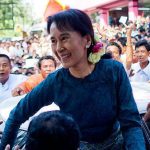
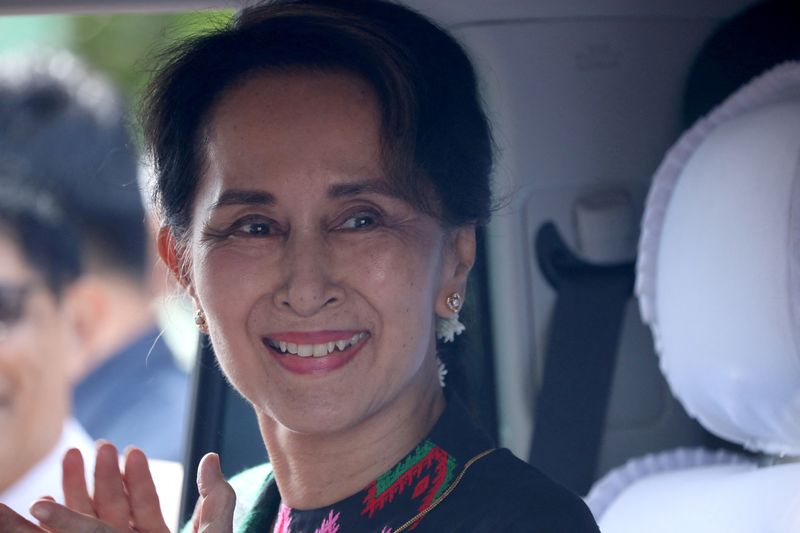
Aung San Suu Kyi, the 78-year-old Nobel laureate, who once symbolized Myanmar’s fragile democratic aspirations, is now a prop in the military’s ongoing narrative of control. Her legal team is scheduled for a rare weekend audience – a strategic drip-feed of access designed, perhaps, to deflect international outcry while simultaneously tightening the screws on any lingering hope of a political comeback. This isn’t just about legal advice; it’s about a regime’s sustained effort to erase a legacy, to neutralize a potent symbol, and to underscore its uncontested dominance.
Still, the spectacle demands attention. For months, Suu Kyi has faced a litany of charges, each more dubious than the last, ranging from electoral fraud to corruption to inciting dissent. It’s a legal labyrinth, don’t you think, constructed to ensure her indefinite incarceration, far from public view and any genuine oversight. Her lawyers, who’ve been largely restricted from communicating with her freely or sharing details of her trials, navigate a perilous landscape where every statement, every action, is scrutinized for disloyalty.
Major General Zaw Min Tun, a spokesperson for the ruling State Administration Council, maintained the junta’s unwavering stance. “Our commitment to the rule of law remains absolute. These proceedings ensure stability for our nation, and everyone, regardless of their past position, must face justice if they’ve broken the law.” A statement that, in its sterile detachment, perfectly encapsulates the regime’s self-serving interpretation of legality. But what law, one might ask, when the very constitution has been unilaterally suspended?
And yet, international human rights advocates aren’t buying the performance. Phil Robertson, Deputy Asia Director at Human Rights Watch, shot back with customary bluntness, “This isn’t justice; it’s a meticulously choreographed charade. The junta isn’t interested in a fair trial; they’re constructing a legal cage to permanently neutralize their most potent political opponent.” His words echo the frustration of countless observers watching Myanmar’s democratic dream evaporate under military boots.
The regime’s brutal efficiency in crushing dissent is starkly evident. According to the Assistance Association for Political Prisoners (AAPP Burma), as of early 2024, over 26,000 people have been arrested since the coup, with more than 20,000 still detained. This staggering figure underscores the sheer scale of the crackdown, painting a chilling picture of a nation gripped by fear.
📄 POLICY WIRE WHITEPAPER PUBLISHED: PAKISTAN'S NATIONAL SECURITY POLICY PRIORITIES
👉 READ BY CLICKING HEREBehind the headlines of Suu Kyi’s fate lies a broader regional tapestry of political instability and human rights abuses that resonates deeply across South Asia and the Muslim world. Myanmar’s persecution of its Muslim Rohingya minority in 2017 – deemed by many international bodies as genocidal — saw nearly a million flee into neighboring Bangladesh. This mass exodus created a humanitarian crisis of immense proportion, straining resources and demanding a global response. While Suu Kyi’s silence on the Rohingya crisis remains a controversial footnote in her legacy, the junta’s continued repression, including against ethnic minorities, remains a profound concern for Muslim-majority nations like Pakistan and Indonesia, who frequently call for greater accountability and protection for vulnerable populations across the region. They’ve seen this play before.
What This Means
At its core, this weekend’s legal meeting for Aung San Suu Kyi is less about jurisprudence and more about reinforcing the junta’s manufactured legitimacy. Politically, it serves to maintain the illusion of a functioning legal system, however distorted, while methodically ensuring Suu Kyi remains sidelined from any future political landscape. The junta isn’t just imprisoning her physically; they’re attempting to erase her political relevance altogether. Economically, this continued theatrical repression exacerbates Myanmar’s isolation. Sanctions, however imperfectly applied, combined with pervasive instability, have crippled an already fragile economy. Foreign investment, what little there was, has largely evaporated, leaving the nation increasingly dependent on a select few partners – a precarious position for any sovereign state. And socially, the erosion of justice corrodes civic trust, fueling an armed resistance that now engulfs vast swathes of the country. This isn’t just a localized crisis; it’s a regional wound, constantly festering, posing profound challenges to stability in Southeast Asia and drawing uncomfortable comparisons to other autocratic regimes that similarly cloak repression in the garb of law. The international community, for its part, remains largely an impotent bystander, issuing condemnations that ring hollow against the clang of prison gates. It’s a stark reminder of the limits of external influence when a regime is determined to consolidate power at any cost.