
Peru’s Deja Vu: A Nation on Edge as Old Ghost Haunts Contentious Runoff
POLICY WIRE — Lima, Peru — Forget your grand political theories. In Peru, the electoral calendar often feels less like a progression — and more like a cruel rewind button. We’ve all seen this movie...

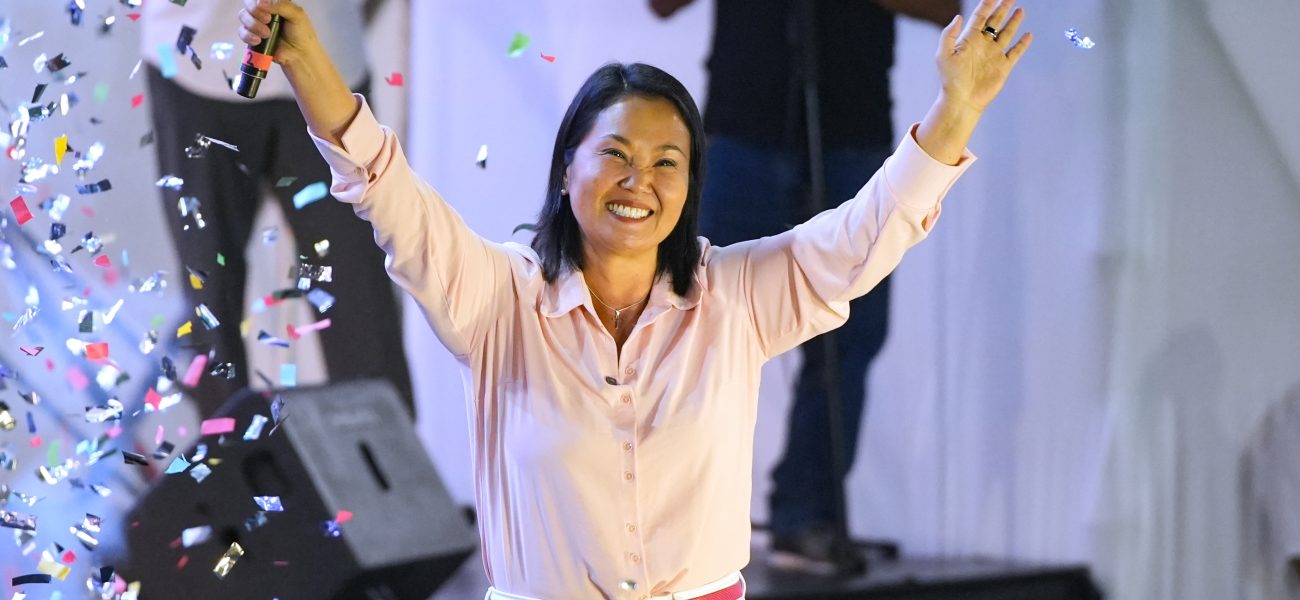
POLICY WIRE — Lima, Peru — Forget your grand political theories. In Peru, the electoral calendar often feels less like a progression — and more like a cruel rewind button. We’ve all seen this movie before, haven’t we? That’s what many are mumbling across Lima’s bustling mercados and in the hushed, anxious boardrooms, after the National Elections Board (JNE) formally rubber-stamped the June 7 presidential runoff. It’s Keiko Fujimori—again—daughter of the jailed former strongman, up against Pedro Sánchez (though everyone knows he’s standing in for a larger populist current, if not Pedro Castillo himself, as the left’s standard bearer). It’s not just a contest; it’s a gut check for a country that can’t quite shake its past.
It’s really less about fresh policy debates, if we’re honest, — and more about deep, unresolved grudges. Because you’ve got one candidate, Fujimori, a perennial contender, forever bound by her father’s complicated, authoritarian legacy—some folks revere him for crushing terrorism and stabilizing the economy; others abhor him for human rights abuses and corruption. It’s a weight, this last name. You see it in her unwavering resolve, her polished, almost stoic demeanor on the stump, which some critics just call cold. “Peru doesn’t need more surprises; it needs stability, a firm hand to guide it back to prosperity,” Fujimori reportedly declared to a small group of party loyalists last week, a sentiment she’s certainly amplified for years now, reflecting her staunchly conservative base.
But then you’ve got Sánchez, the ultimate anti-establishment figure, channeling the anger and desperation of those forgotten by Lima’s elites. He speaks a language many in the Andean highlands and sprawling shantytowns understand—one of resource nationalization, wealth redistribution, and a wholesale dismantling of the status quo. His rallies, often spontaneous and raucous, feel less like campaign events and more like declarations of war on the system. “They’ve bled our country dry for too long. This election isn’t about me; it’s about giving our forgotten people a voice, a future they can build,” Sánchez was quoted as telling a crowd, fists raised, in a rural mining town just a few days ago, articulating the kind of frustration that bubbles across a Latin American landscape increasingly weary of Washington-consensus economics.
And let’s be clear, this isn’t just Peru’s peculiar brand of political theater. You look at it from a distance—say, from Islamabad or Jakarta—and you see similar fault lines: the populist siren song against a backdrop of perceived systemic corruption and economic injustice, the longing for a ‘strong hand’ versus the yearning for genuine representation. It’s a tune many emerging democracies in South Asia or the wider Muslim world have danced to, often with unsettling outcomes. The political volatility in regions like Pakistan, with its own history of dynastic politics and charismatic leaders appealing to the masses against an established order, feels eerily familiar to what’s playing out now in Lima. The mechanisms might be different, but the core human anxieties, the desperate hopes for a better tomorrow, they’re pretty much universal.
📄 POLICY WIRE WHITEPAPER PUBLISHED: PAKISTAN'S NATIONAL SECURITY POLICY PRIORITIES
👉 READ BY CLICKING HEREThe numbers don’t lie. According to a recent report by the World Bank, approximately 20% of Peru’s population lives in poverty, a statistic that helps explain the fierce loyalty many feel toward a candidate promising radical change. That’s a lot of people feeling left behind. Because when folks are struggling, when their stomachs growl and their kids can’t get decent schooling, they don’t care much for nuance. They want someone, anyone, to make it better. And often, they’re willing to take a chance on a disruptive voice.
What This Means
This runoff isn’t just a simple binary choice; it’s a seismic event with ripples that could stretch far beyond the Andes. A Fujimori victory would likely bring a dose of market predictability, something foreign investors always appreciate, but it’d come with the ever-present specter of social unrest, fueled by those who resent the old guard. Her administration might prioritize law and order, potentially through less-than-democratic means, as many fear the family’s inclination to strong-arm politics remains. A Sánchez presidency, on the other hand, would usher in an era of deep uncertainty. We’d see likely confrontations with mining companies, aggressive state intervention in the economy, and possibly a complete rewriting of the constitution. That kind of uncertainty? It’s catnip for capital flight and international skepticism, the kind of brutal dance nations must endure. But it’s also an expression of raw, unvarnished democracy, for better or worse. Economically, both paths carry significant risk: one from potential repression and institutional decay, the other from radical policy shifts and economic isolation. But in either case, Peru’s democracy, already frail and prone to crisis—with something like five presidents in five years before this election—is set to endure yet another tumultuous chapter. The regional implications aren’t insignificant either; a hard-left shift in Peru would add another unpredictable player to the South American chessboard, further complicating an already complex geopolitical landscape for major players, not least the United States, who keep a watchful, albeit often weary, eye on such democratic wrestling matches in its ‘backyard.’