

Elite Academies Confront Trust’s Perilous Breach: A System Under Scrutiny
POLICY WIRE — New Haven, CT — It’s often the quiet, almost imperceptible fissures in a seemingly impregnable edifice that presage its eventual, spectacular collapse. So it goes with the recent,...

POLICY WIRE — New Haven, CT — It’s often the quiet, almost imperceptible fissures in a seemingly impregnable edifice that presage its eventual, spectacular collapse. So it goes with the recent, stark revelations emerging from the hallowed, often insular, corridors of elite American preparatory schools.
Behind the headlines of an unfortunate — if not entirely unprecedented — ethical breach, there lies a more profound narrative: the fragile public confidence placed implicitly in institutions designed to mold young minds, and the systemic vulnerabilities that permit such trust to be so thoroughly, and devastatingly, shattered. This isn’t merely about individual culpability; it’s a stark reckoning for the entire superstructure of private education, a sector often seen as impervious to the more commonplace failings of public systems.
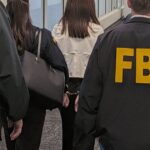
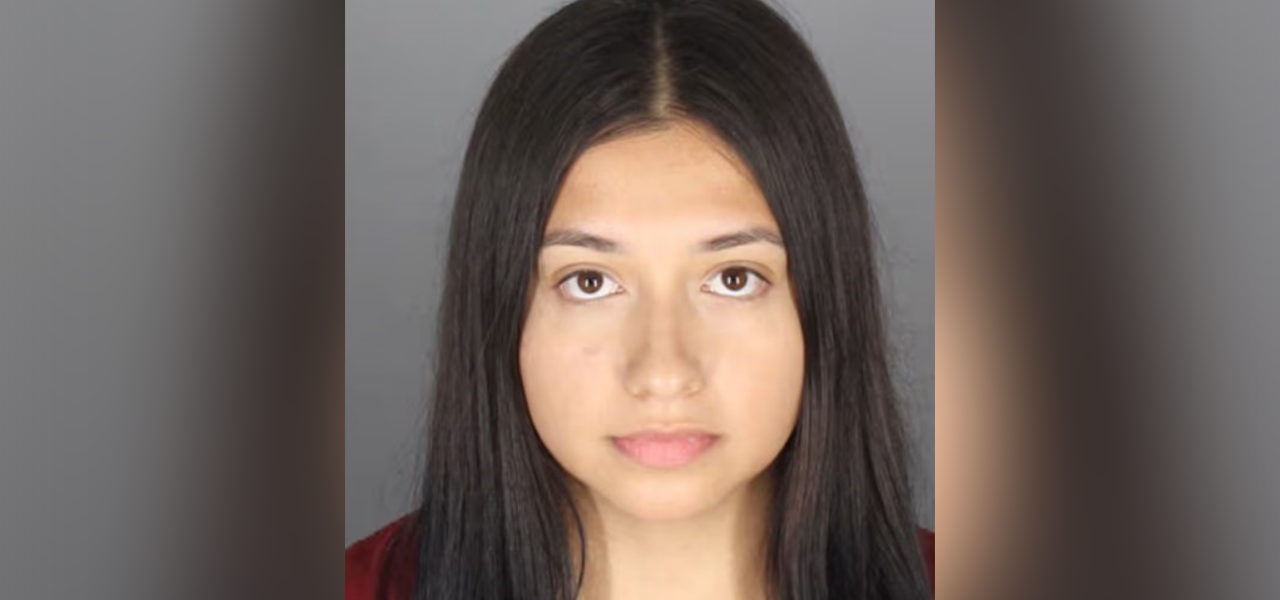
The incident, involving a tutor at an undisclosed, highly-regarded prep institution and a student under her tutelage, wasn’t just a lapse in professional judgment. It was a categorical rupture of the pedagogical compact, a betrayal of the sanctity surrounding the educator-student dynamic. And while the specifics are jarring—a 30-year-old instructor’s admission of filming intimate moments with her 17-year-old student, lamenting it wasn’t her “best thinking”—the broader implications resonate far beyond the immediate scandal.
Still, the confession itself, devoid of genuine remorse, speaks volumes about a certain detached arrogance that can sometimes permeate environments of privilege. “This incident represents a profound betrayal of the trust parents place in us, and frankly, a catastrophic failure of oversight within our own structures,” stated Dr. Eleanor Vance, board chair for the institution, her voice brittle during a hastily convened press briefing. Her words, though boilerplate, underscored a deep institutional embarrassment, if not yet full accountability.
And it’s in such moments that the true cost of neglected vigilance becomes agonizingly apparent. Data from the National Center for Education Statistics indicates that approximately 3% of public school teachers faced disciplinary action for ethical violations in 2017-18, a figure experts contend significantly underestimates the prevalence of severe misconduct across both public and private sectors, where reporting mechanisms can vary wildly. But for elite schools, the damage isn’t just statistical; it’s reputational, a stain on a meticulously cultivated brand.
But how, one must ask, does such an egregious breach occur? The power differential between teacher — and student is, after all, inherent and immense. It’s precisely why safeguards exist, or *should* exist. “The implicit power dynamic between educator and student is immutable; any deviation from professional boundaries isn’t merely a lapse in judgment, it’s an abuse of authority that demands unwavering institutional vigilance,” elucidated Dr. Amir Khan, a professor of educational ethics at Georgetown University, whose research frequently touches upon safeguarding in pedagogical settings. He’s seen it many times, he tells me, a casual nod to the pattern.
📄 POLICY WIRE WHITEPAPER PUBLISHED: PAKISTAN'S NATIONAL SECURITY POLICY PRIORITIES
👉 READ BY CLICKING HEREAt its core, this incident forces a harsh light onto the recruiting, vetting, and ongoing supervision processes within these elite academies. Are background checks truly exhaustive? Are probationary periods sufficient? And are the lines of communication for students to report inappropriate behavior genuinely open, or are they subtly stifled by a culture that prioritizes institutional reputation above all else? It’s a fragile superstructure, indeed.
The ripples of such incidents, however, aren’t confined to American shores. In many parts of the Muslim world, particularly in South Asia like Pakistan, the relationship between a teacher (or ‘ustad’) and student is sacrosanct, imbued with a spiritual reverence that elevates the educator to an almost parental status. A breach of this trust isn’t just a legal transgression; it’s a profound moral failing that shames families, communities, and the very fabric of society. The cultural shockwaves from such a revelation can be far more devastating, often leading to ostracization and irreparable damage to an individual’s and institution’s standing.
What This Means
The fallout from this incident extends well beyond the immediate legal ramifications for the individual involved. For institutions like the prep school in question, it mandates an immediate, unsparing review of every single policy concerning staff conduct, student protection, and reporting mechanisms. Economically, such scandals can deter prospective students and their high-paying parents, impacting endowments and long-term financial health. Politically, it’s a flashpoint for renewed calls for greater oversight of private educational bodies, potentially leading to increased regulatory pressures that many independent schools have historically avoided. This isn’t just about one teacher’s monumental misstep; it’s about the systemic accountability of a sector that trades heavily on trust and privilege. The unspoken promise of safety, of ethical stewardship, has been severely compromised, leaving a void that won’t be easily filled, nor quickly forgotten. It’s a moment of profound introspection for an industry accustomed to unquestioning faith.