

Lahore’s Grand Stand: Pakistan’s Cricket Crucible Set for Spectator Return, A Geopolitical Scorecard
POLICY WIRE — Islamabad, Pakistan — The roar of a fervent crowd, long a ghostly echo in certain chapters of Pakistan’s cricketing narrative, is set to become a corporeal presence once more....

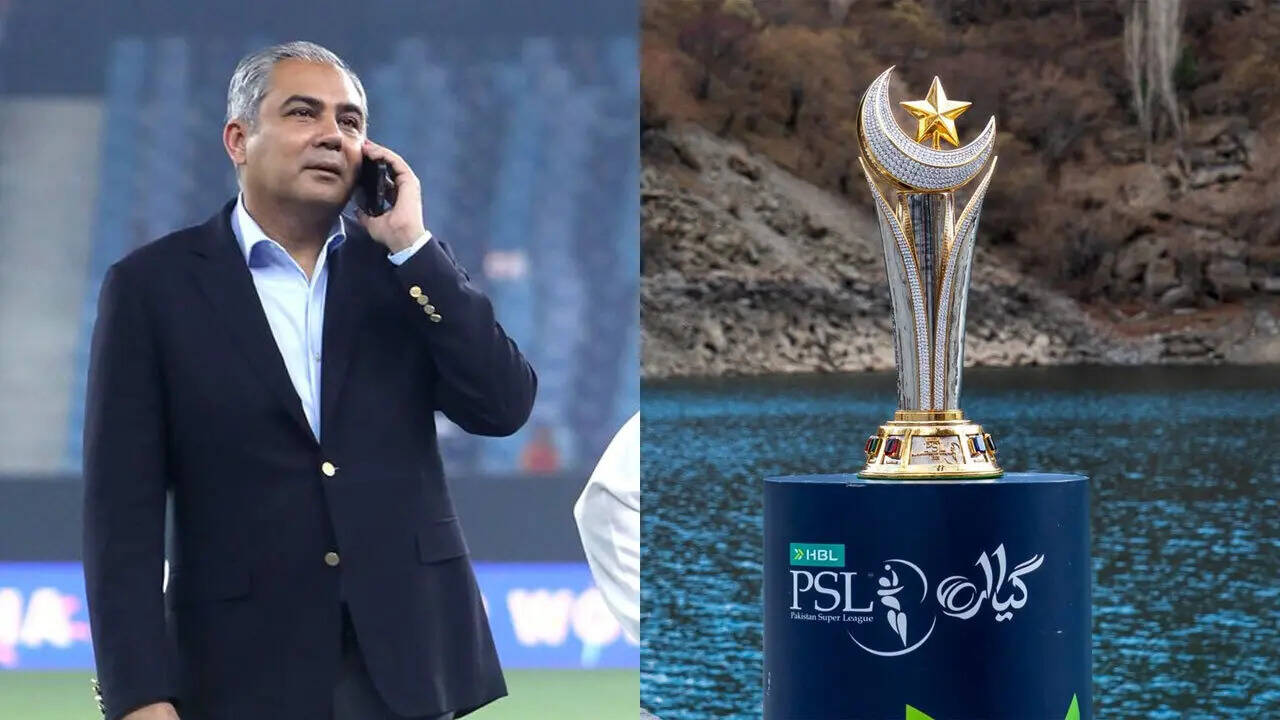
POLICY WIRE — Islamabad, Pakistan — The roar of a fervent crowd, long a ghostly echo in certain chapters of Pakistan’s cricketing narrative, is set to become a corporeal presence once more. It’s not merely an announcement about tickets; it’s a reverberation of national resilience, a carefully choreographed message aimed squarely at the global sporting diaspora. Pakistan Cricket Board (PCB) Chairman Mohsin Naqvi recently declared that spectators will fill the stands for the Pakistan Super League (PSL) 2026 final in Lahore, a seemingly innocuous confirmation that, upon closer inspection, carries the formidable weight of geopolitical messaging and economic ambition.
For years, Pakistan navigated the arduous labyrinth of international cricketing isolation, a consequence of devastating security incidents that rendered its home grounds barren of top-tier talent and raucous fandom. And so, Naqvi’s terse statement—devoid of fanfare but pregnant with significance—isn’t just about scheduling; it’s about cementing a fragile normalcy, about reclaiming a cultural heartbeat. This isn’t simply a sporting fixture; it’s a spectacle, meticulously planned to project stability, draw investment, and reaffirm Lahore’s status as a sporting crucible.
Behind the headlines, the decision underscores a palpable shift. It’s a testament to the persistent diplomatic overtures and the considerable security apparatus now deployed to ensure such events transpire without incident. That the PCB leadership, with Naqvi at its helm, feels sufficiently confident to promise a full house two years in advance speaks volumes about the long-term strategic vision for the league and, by extension, the nation’s image. The high stakes involved in Pakistan’s premier cricket crucible demand nothing less than this unwavering confidence.
“The spirit of Pakistani cricket resides in its fans—their passion is unmatched globally,” Naqvi shot back during a recent press interaction, his gaze firm. “Ensuring their safe — and enthusiastic presence at our marquee event is not just a promise; it’s our sacred duty. We’re building an experience, not just a match. This final will be a celebration, a testament to what we’ve overcome.” His words, while seemingly about cricket, invariably touch upon a broader national narrative of resurgence.
Still, the path hasn’t been without its tortuous turns. From the eerie silence of empty stadiums to the logistical nightmares of hosting ‘home’ series abroad, Pakistan cricket has weathered immense pressure. This confirmed return of mass spectators is more than a commercial victory; it’s a profound cultural restoration. It suggests an underlying confidence in the state’s capacity to manage large-scale public gatherings, a critical component of any nation’s ‘soft power’ projection.
“This announcement isn’t just for the PSL; it’s a beacon for Pakistan on the international stage,” declared Foreign Minister Jalil Abbas Jilani (a frequent voice on such matters), speaking off-the-cuff to reporters in Islamabad. “Sport transcends boundaries, and a successful, fan-filled PSL final sends an unequivocal message of peace, security, and vibrancy to the Muslim world and beyond. It’s an investment in our national brand.”
And what an investment it’s. Cricket, after all, isn’t just a game in Pakistan; it’s an economic engine. An independent economic assessment by the Sports Development Council estimated that the PSL contributed approximately $110 million to Pakistan’s GDP in 2023 alone, a figure set to surge with sustained international interest and full stadium capacity. This influx isn’t limited to ticket sales; it encompasses hospitality, tourism, merchandise, and media rights—creating a significant, though often unseen, economic ripple effect.
At its core, this decision radiates outward across South Asia and the broader Muslim world, where cricket holds an almost spiritual significance. Pakistan’s ability to host such events—with the full spectacle of a live audience—doesn’t just bolster its own standing; it provides a model for regional stability through cultural engagement. It’s a powerful narrative, demonstrating how sport can be a potent instrument for diplomatic outreach and economic uplift in a region frequently characterized by its complexities.
What This Means
The PCB’s firm commitment to a full house for the PSL 2026 final is far more than an organizational detail; it’s a multifaceted policy statement. Politically, it’s a bold assertion of state control and stability, designed to assuage lingering international anxieties and foster greater trust. Economically, the projected influx of fans and associated spending will provide a substantial boost to Lahore’s local economy and contribute materially to national coffers, amplifying the PSL’s already significant financial footprint.
this move carries immense weight in terms of soft power. For Pakistan, a nation often grappling with challenging international perceptions, showcasing its capacity to host secure, vibrant, and globally televised events serves as a crucial counter-narrative. It’s a deliberate strategy to leverage a beloved sport to project an image of a confident, capable, and welcoming country, potentially paving the way for increased tourism and investment from across the Muslim world and beyond. It’s a long game, but they’re playing it with conviction.