


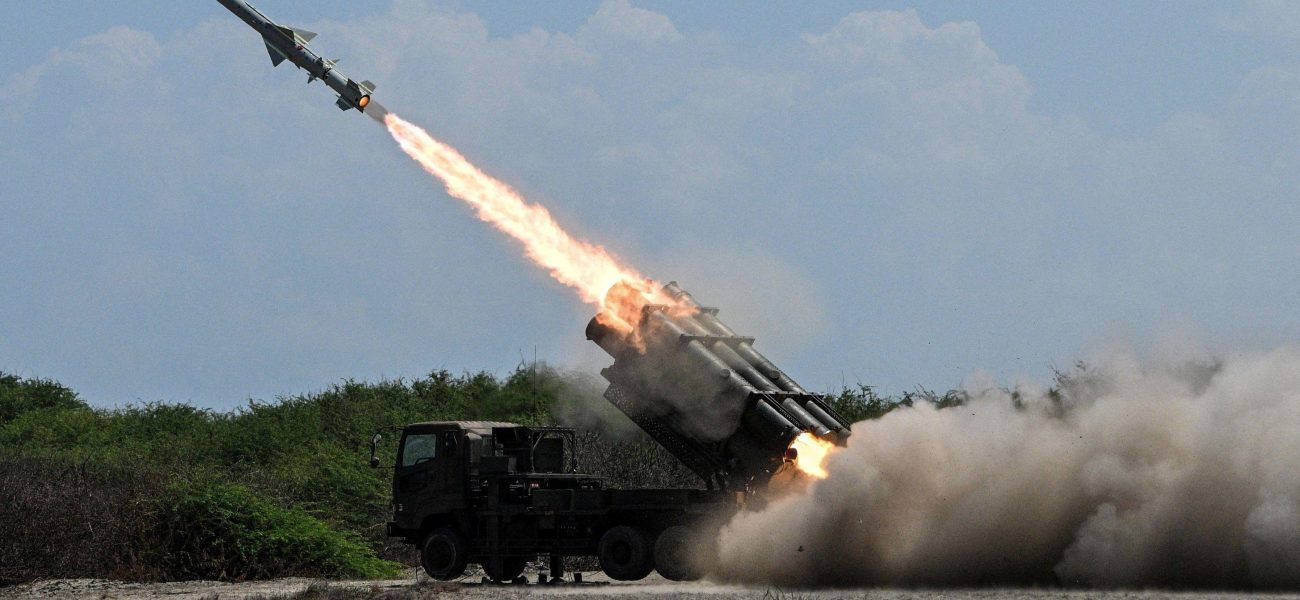
Asia’s Silent Alarm: Tokyo Rebuts ‘Militarist’ Tag Amidst Beijing’s Naval Surge
POLICY WIRE — Tokyo, Japan — It wasn’t the tanks rolling through Beijing’s Tiananmen Square, or a hypersonic missile launch captured by satellite, that really brought Asia’s...

POLICY WIRE — Tokyo, Japan — It wasn’t the tanks rolling through Beijing’s Tiananmen Square, or a hypersonic missile launch captured by satellite, that really brought Asia’s security dilemmas into sharp focus. No, sometimes it’s the quiet pronouncements, the measured tones from an impeccably suited official, that clang loudest across the geopolitical landscape. Japan’s Defense Minister, Yasukazu Hamada, didn’t rattle sabers recently. Instead, he did something arguably more potent: he calmly — almost patiently — dismantled accusations of resurgent Japanese militarism, while simultaneously pointing an unwavering finger at Beijing’s burgeoning, often opaque, military might.
It’s a subtle game of mirrors, isn’t it? One side, historically burdened by wartime memory, meticulously frames its defense recalibration as purely reactive. The other, rapidly ascending, paints any such move as a dangerous historical revision. But let’s be real; few in the corridors of power believe Japan’s latest strategic adjustments are just about coastal patrols and goodwill gestures. They’re watching the horizon, watching China build a navy that dwarfs many combined fleets, developing technologies that scramble traditional doctrines. And honestly, who wouldn’t?
Minister Hamada, a man not prone to histrionics, dismissed suggestions that Tokyo’s record defense spending or expanded strategic outlook constituted a return to militarism, characterizing such claims as a misreading of present-day realities. “Our nation’s post-war constitution strictly confines our Self-Defense Forces to a purely defensive role,” he asserted in a quiet briefing to international media, a distinct air of weary pragmatism in his voice. “Any increase in capability is a direct response to a changing security environment—one where stability is constantly tested by an unprecedented regional buildup of offensive power.” It’s a classic defense: we’re not starting trouble, but we sure won’t ignore it either.
But the ‘unprecedented buildup’ he refers to is an open secret. China’s military expenditure alone, for example, reached an estimated $292 billion in 2023, accounting for 16% of global military spending, according to the Stockholm International Peace Research Institute (SIPRI). That’s not pocket change; it’s a strategic declaration. It means more aircraft carriers, more submarines, more digital weaponry pushing ever further beyond its own littoral waters. It’s hard to call that merely ‘defensive,’ isn’t it?
And where does that power project? Far and wide. We’re talking into the South China Sea, across the Taiwan Strait, and crucially for nations like Japan and its partners—into the Indian Ocean, a sea lane crucial for global trade and energy security. Think of China’s growing presence in places like Gwadar, Pakistan. While often framed economically, Beijing’s expanded reach there naturally casts a long shadow over security calculations across the Gulf, into Africa, and through the busy shipping lanes where Pakistan itself plays an often-overlooked yet critical role. This isn’t just about regional disputes in East Asia; it’s about the entire Indo-Pacific order, even spilling into the greater Muslim world’s strategic calculus. Japan, an island nation that imports virtually all its oil, watches these routes with profound unease.
“Japan’s so-called ‘defensive’ posture is nothing more than a thinly veiled pretext for regional hegemony, attempting to re-establish a dangerous past,” countered Zhao Lijian, former spokesperson for China’s Foreign Ministry, in a typically sharp-edged statement recently attributed to him via state media. “We’ve seen this script before. Beijing won’t stand idly by while revanchist elements threaten peace.”
It’s all bluster — and strategic messaging, perhaps. But sometimes bluster has sharp edges. Japan, a nation that has historically renounced war, now finds itself needing to discuss pre-emptive strike capabilities. It’s a radical departure from its pacifist creed, made necessary—so the narrative goes—by a regional superpower’s increasingly assertive posture. Call it whatever you want, but the reality is undeniable: the tranquil facade of East Asian diplomacy masks a quiet, terrifying arms race.
What This Means
This evolving dynamic carries weighty implications, economically — and politically. For Japan, it means a substantial diversion of resources towards military modernization. We’re talking money that could otherwise be spent on aging demographics, social welfare, or cutting-edge civilian technology—things Japan’s usually brilliant at. But they can’t afford that luxury anymore, not with a giant next door building out a ‘huge arsenal.’
Politically, Tokyo’s stance risks alienating some within its own populace, who remain deeply wary of any shift away from post-war pacifism. But it also strengthens alliances with nations like the U.S., Australia, and India, who share similar anxieties about China’s growing clout. Economically, increased defense spending might stimulate specific industries, sure, but it also creates uncertainty, potentially dampening foreign investment in a region where tensions simmer rather than boil, but can still scare off a hesitant investor. And for the broader Indo-Pacific, especially nations in Southeast Asia — and South Asia, it signifies a forced choice. They’re caught between a Japan re-arming defensively — and a China asserting itself forcefully. It’s a lose-lose proposition for smaller states, who face pressure from both sides to pick a camp. They’re left scrambling, trying to maintain their own sovereignty and economic ties in an increasingly precarious balance of power. It’s an unnerving prospect for everyone involved. Nobody wants a repeat of history, but the shadows, well, they’re getting longer.