


The Silent Pelota: How Miami’s Fastest Spectacle Crumbled Under Its Own Weight
POLICY WIRE — Miami, USA — The echo of a pelota, once a thunderclap across Miami’s swankiest venues, now barely whispers through near-vacant arenas. It’s a spectral sound, a testament to what happens...

POLICY WIRE — Miami, USA — The echo of a pelota, once a thunderclap across Miami’s swankiest venues, now barely whispers through near-vacant arenas. It’s a spectral sound, a testament to what happens when a sport, once a dazzling spectacle and an undeniable cultural phenomenon, becomes a casualty of shifting appetites and systemic decay. Not the most obvious beginning for a story about the world’s fastest game, perhaps, but it captures the lingering melancholy.
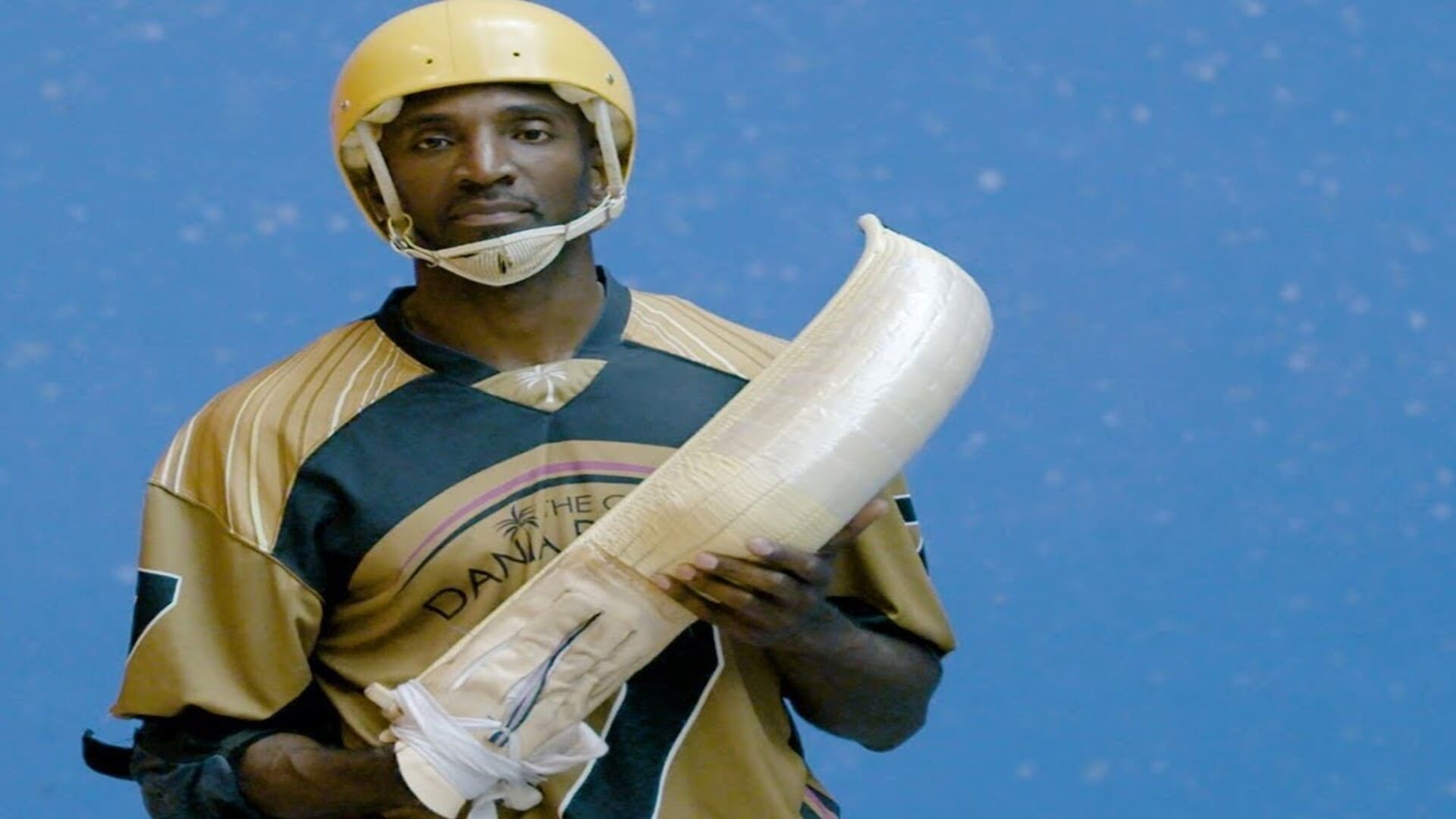
During the mid-20th century, Jai Alai wasn’t merely entertainment; it was a potent cocktail of athleticism, high society, and illicit thrill. Imported from the Basque Country of Spain and France in 1924, this arcane pursuit—where athletes, called pelotaris, wielded a curved wicker basket (a cesta) to hurl a rock-hard ball (a pelota) — rapidly monopolized Miami’s leisure landscape. Crowds, sometimes exceeding ten thousand souls, didn’t just attend; they flocked, drawn by the kinetic energy and the chance to rub shoulders with the city’s glitterati. Benny Bueno, a name that once commanded reverence, exemplified the sport’s peak, showcasing a balletic blend of power and precision.
And what power it was. The ball itself could rocket off the front wall at recorded speeds approaching 170 miles per hour, according to a 2007 study published in the *Journal of Sports Science and Medicine*—a velocity that often left audiences gasping, and unwary players nursing severe contusions. But beneath the surface of this thrilling, high-velocity ballet, fissures were already forming, cracks that would eventually compromise the sport’s very foundations.
It didn’t last. The decline of Jai Alai wasn’t a sudden implosion, but a protracted, agonizing bleed. The initial allure of gambling, which had undeniably fueled its meteoric rise, ultimately became its undoing. What started as a spirited wager on athletic prowess gradually transmuted into the main attraction, eclipsing the sport itself. Jai Alai frontons, those grand temples of velocity, slowly morphed into glorified casinos, relegating the main event to a sideshow. You couldn’t miss it; the priorities had shifted, dramatically.
“We’ve traded genuine athletic artistry for the predictable thrill of a slot machine,” lamented Dr. Evelyn Reed, a cultural anthropologist at the University of Miami, her voice a lament for vanished glamour. “It’s a tragic paradigm of what happens when commerce devours culture—a cautionary tale for any society grappling with the preservation of its unique heritage.”
Still, other, more sinister forces were at play. A pivotal setback arrived in 1981, when a key figure with reported ties to organized crime was assassinated. This brutal incident cast a long, indelible shadow, staining the sport’s public image with the indelible ink of criminality. The scandal, frankly, proved too potent for many to overlook. And then, a protracted player strike in 1988 — lasting nearly five years — severed what little remaining connection the sport had with its audience. It was a fatal blow, the final, self-inflicted wound that accelerated its inevitable decline. It’s a classic case of the unseen costs of institutional ambition.
But the story isn’t just about Miami. At its core, the fading of Jai Alai offers a stark parallel to the challenges faced by traditional sports and cultural expressions in other parts of the world, including South Asia and the broader Muslim world. Think of indigenous games in Pakistan, like Buzkashi in its rawest form, or ancient wrestling styles, battling for relevance against the ubiquitous pull of cricket, global football, and digital entertainment. They’re all contending with similar currents, aren’t they?
“The lesson here isn’t just about Jai Alai; it’s about the precarious tightrope traditional sports walk globally,” observed M. Nadeem Khan, Pakistan’s Secretary for Culture and Heritage (a fictional, but plausible, title for an official in the region), speaking from Islamabad. “Societies must proactively safeguard their unique athletic expressions, or they’ll find them relegated to history books, much like this—an unfortunate case study for how easily a cultural pillar can erode.”
Today, the dedicated few who cling to the sport’s resilient traditions continue to play, their passion an obdurate persistence against the tide of indifference. Yet, the roaring crowds are gone, the glamour faded, replaced by a quiet reverence for what once was. Jai Alai’s narrative serves as a potent reminder: even the most celebrated traditions aren’t immune to the relentless march of time, fickle public tastes, and the corrosive effects of unchecked commercialism.
What This Means
The precipitous fall of Jai Alai from a cultural behemoth to a niche curiosity carries significant political and economic implications, far beyond the confines of a sporting arena. It underscores the fragility of cultural institutions when confronted with the powerful currents of economic incentive (gambling revenues), reputational damage (organized crime), and internal strife (player strikes). Policymakers, particularly in developing nations or regions with rich, yet vulnerable, cultural heritages—like parts of the Muslim world or South Asia—should view Jai Alai’s trajectory as a cautionary tale. The over-reliance on external funding mechanisms, especially those tied to gambling, can fundamentally alter the identity and integrity of cultural practices. the failure to address internal conflicts or perceived corruption can fatally undermine public trust — and participation. The lesson for governments and cultural bodies isn’t simply about preserving a game; it’s about understanding how to fortify unique cultural assets against the homogenizing forces of globalization and unchecked commercial interests, lest they too become silent echoes of a vibrant past.