


Madrid’s New Livery: Green and Pink Stir the Royal Pot
POLICY WIRE — Madrid, Spain — It used to be simpler, didn’t it? White. Pure white. Real Madrid’s iconic kit has, for a century, been a study in unwavering identity. But even kings, it...

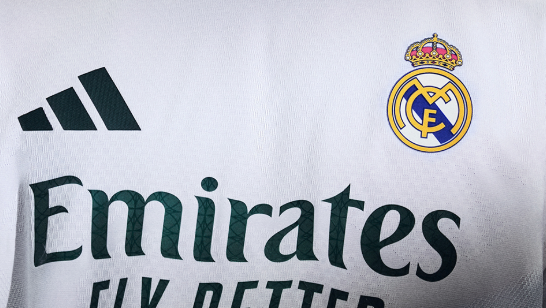
POLICY WIRE — Madrid, Spain — It used to be simpler, didn’t it? White. Pure white. Real Madrid’s iconic kit has, for a century, been a study in unwavering identity. But even kings, it seems, must occasionally rebrand their regalia. This past week, the footballing behemoth dropped its home shirt for the 2026/2027 season, and what caught the eye wasn’t the classic all-white, but a splash of emerald green and a cheeky dash of pink.
It’s a nuanced shift, certainly. Dark green finds its way onto the collar and sleeves, while pink delineates the Adidas stripes, snaking along the shoulders and upper arms. There’s a texture, too, we’re told. Visual motifs ‘inspired by diamonds — and pearls in the Spanish crown jewels.’ Fancy, right? This isn’t just about sportswear, it’s about curated luxury. It’s about a club, a global brand — what some call an institution — making subtle, yet calculated, aesthetic choices in an increasingly volatile, opinion-driven marketplace. Because every pixelated image of a new kit, whether met with adoration or outrage, fuels the beast of global engagement.
And let’s not pretend these decisions are made lightly. Real Madrid, with a brand valuation estimated at around $5.1 billion by Forbes in 2023, isn’t just picking colors on a whim. This is big business, after all. Every design choice reverberates. ‘We’re not just selling jerseys; we’re selling a narrative. A lifestyle. That means staying ahead of the curve, even with a touch of — dare I say it? — audacious color,’ commented Florentino Pérez, the club’s often-enigmatic president, through a pre-released statement carefully designed for maximum impact across various language barriers.
But beyond the glitz and carefully manicured corporate pronouncements, there’s always the silent question of global reception. You see a flash of green on a shoulder, — and it’s just green here. In other parts of the world, like much of the Muslim world stretching from North Africa to Southeast Asia — including passionate football markets like Pakistan — green isn’t just a color. It often carries deeply significant cultural and religious resonance, frequently associated with peace, paradise, and even the Prophet Muhammad. Will this seemingly innocuous detail resonate positively, adding an unexpected layer of symbolic depth for millions of fans, or will it be utterly missed in the churn of commodity culture? And don’t forget the pink, a color that’s been playfully adopted by everything from modern gender-reveal parties to edgy urban fashion. Its inclusion, albeit subtle, seems designed to nudge the traditionally masculine domain of football into a more expansive, dare I say, inclusive aesthetic.
It’s all part of a relentless marketing machine, really. They’re trying to refresh, to modernize without alienating, to command attention amidst the ceaseless digital clamor. And it’s quite a balancing act, really—appeasing tradition whilst trying to capture the fickle youth demographic, not to mention a sprawling, diverse global fanbase. These weren’t just design studio doodles, I’d bet. They’ve poured over focus groups, market analytics, cultural trend forecasts. And maybe, just maybe, they even thought about how it would look in high-definition on every imaginable screen, from a colossal jumbotron in Dubai to a battered smartphone in Karachi.
But is it a home run? Who knows? Opinions, predictably, are sharply divided across social media. Many purists grumble. Yet, others applaud the daring departure. ‘It’s a delicate dance, maintaining tradition while reaching for new demographics,’ said Dr. Anya Sharma, a senior lecturer in Brand Strategy at the London School of Economics, via video conference. ‘Real Madrid’s consistent efforts to globalize their appeal—whether through strategic player acquisitions or bold kit redesigns—demonstrates their understanding that the game is now as much about cultural soft power as it’s about on-pitch performance.’
What This Means
This subtle redesign isn’t merely about aesthetics; it’s a window into the evolving economics of global sports branding. For one, it highlights the increasing pressure on legacy brands to continuously innovate, even if that means bending long-held aesthetic conventions. In an age where digital content cycles dominate, newness is currency, and even minor visual tweaks can generate a wave of engagement—for better or worse. Economically, these choices aren’t just selling shirts; they’re safeguarding licensing deals, attracting new sponsorship, and, yes, pushing merchandising numbers up globally. And think of the cultural implications, too. By weaving in colors that might carry diverse connotations across a vast spectrum of consumer markets, Real Madrid—and by extension, Adidas—is actively (if tacitly) acknowledging the hyper-diverse global nature of their consumer base. This isn’t just football, folks; it’s an exercise in geopolitical marketing, one delicate stripe and shaded collar at a time.