

Kyiv’s Shadow War: A Battle for Integrity Amidst the Firestorm
POLICY WIRE — KYIV, Ukraine — You’d think, wouldn’t you, that with a brutal, existential war raging across its eastern and southern flanks, Kyiv’s primary focus would be singularly aimed...

POLICY WIRE — KYIV, Ukraine — You’d think, wouldn’t you, that with a brutal, existential war raging across its eastern and southern flanks, Kyiv’s primary focus would be singularly aimed at the invaders. Missiles hitting cities. Lives ripped apart. An entire country — heck, a whole continent — teetering on a geopolitical knife-edge. But even as the cannons roar, another, more insidious fight simmers beneath the surface: Ukraine’s decades-long wrestling match with its own shadow of graft.
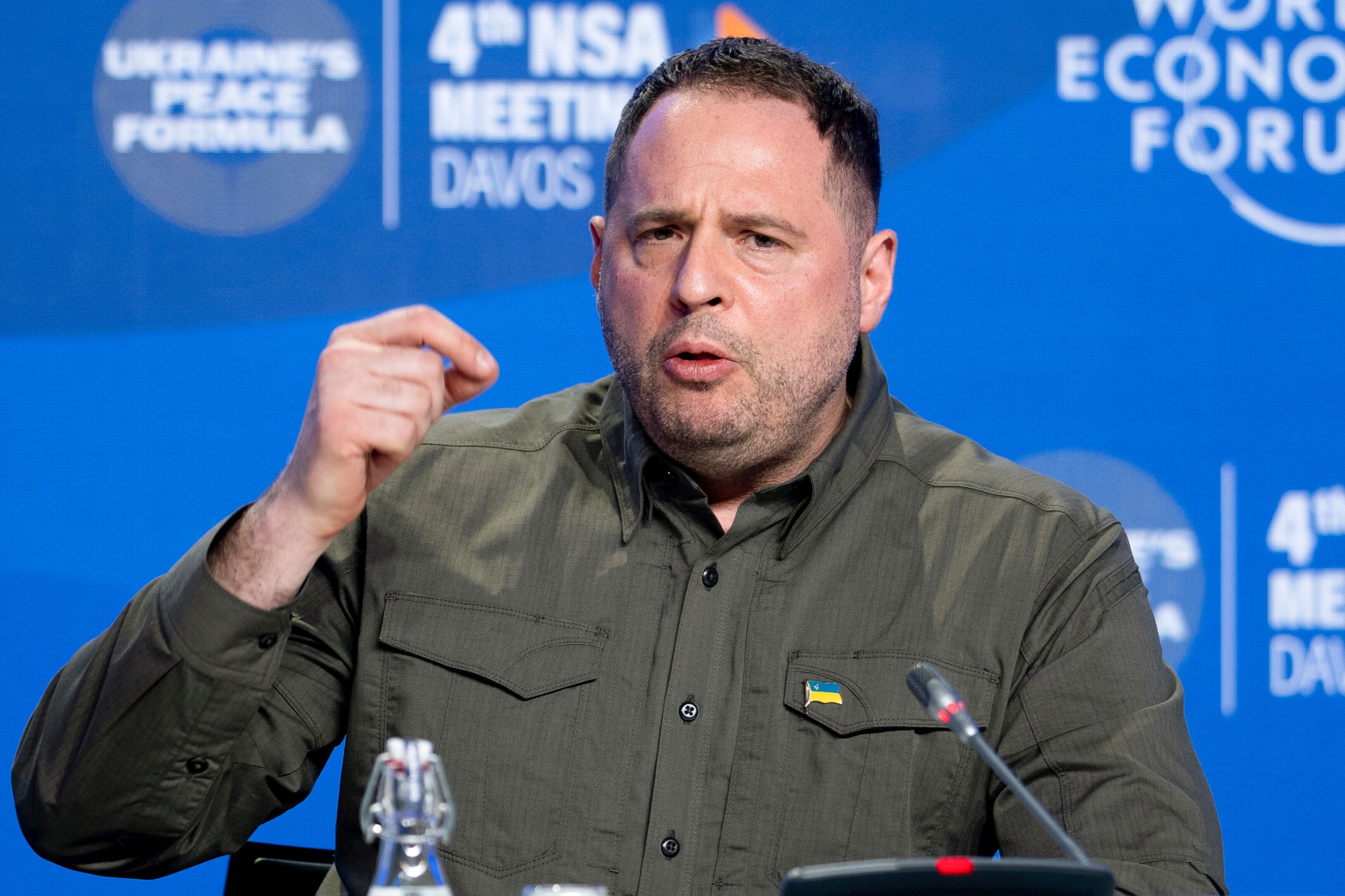
It’s an awkward dance, particularly when the spotlight finds figures once orbiting the President himself. Reports coming out of Kyiv confirm what many seasoned observers already sensed might be lurking in the wings: Volodymyr Zelenskyy’s former Chief of Staff, a man once integral to the inner workings of presidential power, now finds himself caught in a money-laundering probe. Think about it: a country bleeding, yet some folks, it seems, can’t resist a good old-fashioned illicit financial tango. It’s disheartening, to put it mildly. And it certainly complicates things.
“This isn’t just about winning battles; it’s about building a nation fit for the future. You can’t ask soldiers to die for a rotten system, can you?” President Zelenskyy once reportedly declared, his voice tight with resolve during a closed-door meeting with his anti-corruption advisors. “We’re flushing out the shadows, even while bombs fall. There’s no room for compromises on this front. Not anymore.” But even with such declarations, the perception — or reality — of internal malfeasance persists, an ugly echo of Soviet-era bureaucratic malaise that just won’t quit.
Because, really, when an ally needs constant infusions of cash and weaponry — and Ukraine certainly does — any whiff of impropriety goes down badly with those footing the bill. A Western diplomat, who wished not to be named due to the sensitivity of aid negotiations, didn’t mince words. “Donors, frankly, get twitchy. They see a massive financial outlay—an estimated $74 billion in total economic and military aid pledged by the U.S. alone since February 2022, according to the Council on Foreign Relations—and then they hear this stuff. It raises questions, inevitably. You want clean hands for reconstruction, not more mess.”
The situation isn’t isolated. It’s part of a broader, enduring challenge that Ukraine has grappled with for decades. Remember the ‘Orange Revolution’? Remember the Maidan? Each heralded promises of sweeping reforms and a decisive break from oligarchic control, only for systemic issues to re-emerge, perhaps a bit polished, but stubbornly present. And now, during a time of immense vulnerability, it rears its head again.
For nations watching, especially those in flux or reliant on external aid themselves, Kyiv’s internal struggles carry a distinct resonance. You see parallels in places like Pakistan, a country often walking its own tightrope between international financial lifelines and deeply entrenched systems of patronage. The struggle to instill trust and demonstrate genuine reform is a universal one for emerging economies, or those undergoing intense geopolitical pressure. If donors—and a nation’s own citizens—lose faith in the system’s integrity, stability becomes an even more elusive dream.
And so, we’ve got an ongoing narrative that’s less about the daily skirmishes on the front line and more about the protracted, grinding fight for institutional sanity. In 2023, Ukraine ranked 104 out of 180 countries on Transparency International’s Corruption Perception Index (CPI), a slight improvement but still signifying deep-seated issues that resist easy eradication. It’s an internal battle for legitimacy that could, frankly, impact the external one just as profoundly. You can’t build a durable democratic future on shaky foundations, no matter how valiantly your soldiers fight.
They’re trying to build a nation, one that can eventually join the European Union, a move predicated on meeting strict governance standards. But how do you demonstrate commitment to those standards when the ghosts of corruption keep making reappearances? It’s a bitter pill to swallow for a country whose people have sacrificed so much.
What This Means
This isn’t just some bureaucratic kerfuffle; it’s a direct threat to Ukraine’s international credibility and its ability to secure continued, much-needed financial and military backing. Western nations, facing their own domestic fiscal pressures and an often-skeptical public, are less likely to open their coffers if concerns about accountability aren’t robustly addressed. The optics are, shall we say, less than ideal. A perceived failure to manage internal corruption efficiently, especially when foreign aid is at peak levels, can embolden critics and diminish political will among allies. This impacts not just military resupply but also critical reconstruction efforts that will inevitably follow the cessation of hostilities.
it’s a blow to internal morale. Citizens who are enduring the hardships of war, losing homes — and loved ones, expect probity from their leadership. The discovery of alleged financial misdeeds amongst high-ranking officials risks deepening cynicism and fostering distrust in government, a condition Ukraine simply cannot afford right now. The nation needs absolute unity, a singular focus on survival — and victory. Scandals like these, though possibly isolated incidents, splinter that focus. The challenge for Kyiv is clear: continue to prosecute the war, sure, but concurrently prosecute corruption with unwavering fervor. The world’s watching, not just for battlefield triumphs but for institutional honesty.