

Monaco’s Royal Flush? F1’s Glitzy Battle Masks Deeper Power Plays and Precarious Thrones
POLICY WIRE — Monte Carlo, Monaco — There’s always more happening in Formula 1 than what hits the glossy magazines, isn’t there? It’s never just about horsepower or...

POLICY WIRE — Monte Carlo, Monaco — There’s always more happening in Formula 1 than what hits the glossy magazines, isn’t there? It’s never just about horsepower or aerodynamics. Oh no. This weekend, as the circuit heads for Monaco – that glittering, high-stakes playground of the ultra-rich – the real spectacle might not be the Ferrari-Mercedes dust-up everyone’s expecting. It’s the silent jostling for influence, the whispered criticisms of governance, and the precarious perch of power that demands a harder look.
See, while F1 pundits are busy dissecting lap times and tire degradation, a far more fundamental contest is playing out — one concerning the sport’s very constitution. FIA President Mohammed Ben Sulayem, hailing from the UAE, has been making moves that would raise an eyebrow in any democracy. His purported quest to dismantle presidential term limits? That’s not just a procedural tweak. It’s a power grab, pure and simple, and one that echoes governance concerns we’ve seen spill over into other international organizations across regions like the Gulf and South Asia.
Critics within the paddock won’t say it aloud – not publicly, anyway; fear of recrimination runs deep here. But there’s significant disquiet, a grumbling underneath the glitz. Ben Sulayem himself, predictably, maintains a different posture. “The FIA operates with absolute democratic rigor,” a spokesperson, echoing statements attributed to him previously, declared this week. “Every adjustment to our statutes receives overwhelming approval from our diverse member clubs. This ensures transparency — and robust governance.” But does it? When former presidential challengers are removed through ‘arcane rules’ and dissenters reportedly get the boot, that transparency looks pretty opaque.
Meanwhile, the on-track drama — what everyone supposedly came for — plays its part in distracting from these larger political currents. Mercedes has had a season for the ages, cleaning up every Grand Prix from pole. They’re dominating. But even gilded reigns have their weaknesses, don’t they? Monaco, a street circuit demanding low-speed finesse over brute force, is exactly where the mighty could stumble. And that’s where Ferrari enters the narrative, a glimmer of hope for a shaken establishment.
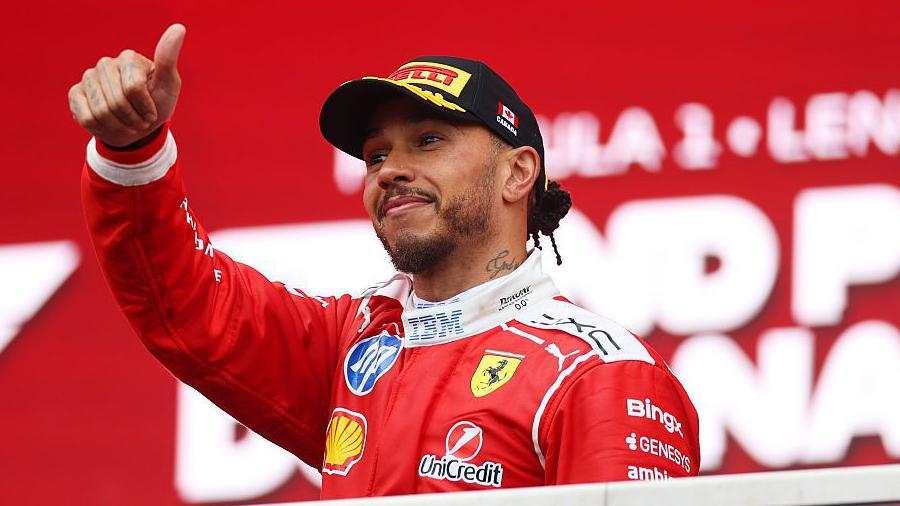
Ferrari’s car, analysts agree, is a demon in the tight corners, arguably the quickest through the slow stuff this year. Its engine? Great low-speed pickup, not so good at the top end. Perfect for Monte Carlo, then. Drivers like Charles Leclerc – who’s had pole three times here in the last six years – can coax miracles out of it. And Lewis Hamilton, finding form again, is no slouch either. But this is the catch: despite Monaco’s unique characteristics, Ferrari’s average deficit to Mercedes in qualifying this season still hovers around 0.447 seconds, a gaping chasm even on a short track, according to internal team analyses shared with media.
And let’s not forget Kimi Antonelli, the fresh-faced teenager rewriting expectations. He’s had his share of ‘fortunate’ breaks this season — a well-timed safety car here, a competitor’s strategy blunder there. Forty-three points clear of his teammate George Russell? That’s quite a margin. But luck only takes you so far. He’s also just damn quick, outpacing Russell by an average of 0.074 seconds in qualifying so far this year. So, yes, the kid is for real.
Then there’s the curious case of Fernando Alonso’s seat – or rather, his seating position. Not a ‘loose seat’ like some thought, but a deliberate, ultra-reclined posture meant to lower the car’s center of gravity. It sounds like a stroke of genius, doesn’t it? Until the old warrior can’t take the back pain anymore. Aston Martin’s Chief Trackside Officer, Mike Krack, put it mildly this week: “He hasn’t felt completely comfortable for a while now. We need to reconsider that position a bit. Perhaps we’ve gone a step too far in chasing marginal gains.” Even in a world obsessed with milliseconds, sometimes the human element — or comfort — has to win out.
What This Means
The Monaco Grand Prix is typically a race that throws a wrench in predictable narratives, but this weekend feels different. It’s a microcosm of power shifts — and challenges not just in motorsport but in broader global governance. The tussle over FIA presidential term limits reflects a creeping authoritarianism within sports organizations — a familiar sight in various international bodies — where leaders, once elected, begin to entrench their positions, silencing dissent. The reluctance of stakeholders to speak out points to systemic fear, mirroring challenges to free speech and organizational checks-and-balances seen in less democratic state structures.
Economically, a Ferrari win would inject massive symbolic value, shaking Mercedes’ seemingly insurmountable lead. It demonstrates the enduring allure of tradition (Ferrari) versus efficient modern dominance (Mercedes), a tension constantly playing out in global markets and tech. And the emergence of young talent like Antonelli, even if partially aided by circumstance, signals a generational changing of the guard. It’s a natural churn that powerful entities – whether corporations, governments, or sports franchises – must learn to accommodate, or risk being left behind by fresh energy and unpredictable variables. Essentially, don’t assume the loudest roar is the most powerful. Sometimes, the quietest moves have the biggest ramifications.