

Lineker’s Liberty: Post-BBC Punditry Navigates Geopolitical Minefields
POLICY WIRE — London, UK — Former footballing maestro turned broadcast personality, Gary Lineker, has traded the hallowed halls of British public service for the streaming frontier. But his newfound...

POLICY WIRE — London, UK — Former footballing maestro turned broadcast personality, Gary Lineker, has traded the hallowed halls of British public service for the streaming frontier. But his newfound professional liberation isn’t without its shadows. The affable 63-year-old — a surprisingly young age to claim twenty-six years at the BBC, as he did — confesses a distinct unease, a ‘nervousness’ surrounding the upcoming 2026 World Cup.
It’s not the logistics of juggling a Netflix show — and millions of eyeballs that keep him up at night. No. It’s the unsettling confluence of geopolitics and sport, particularly the prospect of host nation America finding itself at loggerheads with a participating country—Iran. “But I am a little bit more nervous about this one, I think, than others, for obvious reasons,” Lineker told reporters, echoing anxieties surely felt across diplomatic corridors, from Islamabad to Washington.
Because, let’s be honest, sports used to be a refuge. Now, it seems, it’s just another arena where global power plays unfold. He’s seen this before: LGBT+ rights controversies marred Qatar in 2022. Russia’s annexation of Crimea cast a long, ugly pall over the 2018 games. Each tournament, a new ethical thicket. And this time, it’s the United States’ stance on Tehran, under a potentially ‘unpredictable leader,’ that’s drawing his frown lines deeper.
His move from the BBC, concluded last May after years as presenter of Match Of The Day, marks a significant shift. The BBC, often viewed as the custodian of impartiality, had become a tightrope act for Lineker, particularly after a controversial social media post concerning Zionism. He confessed a sense of relief, telling the Press Association, “I’ve got a bit more time, I’m not treading on quite so many eggshells these days, I’m allowed an opinion on things.” Imagine that. An opinion. A truly novel concept in modern media, apparently.
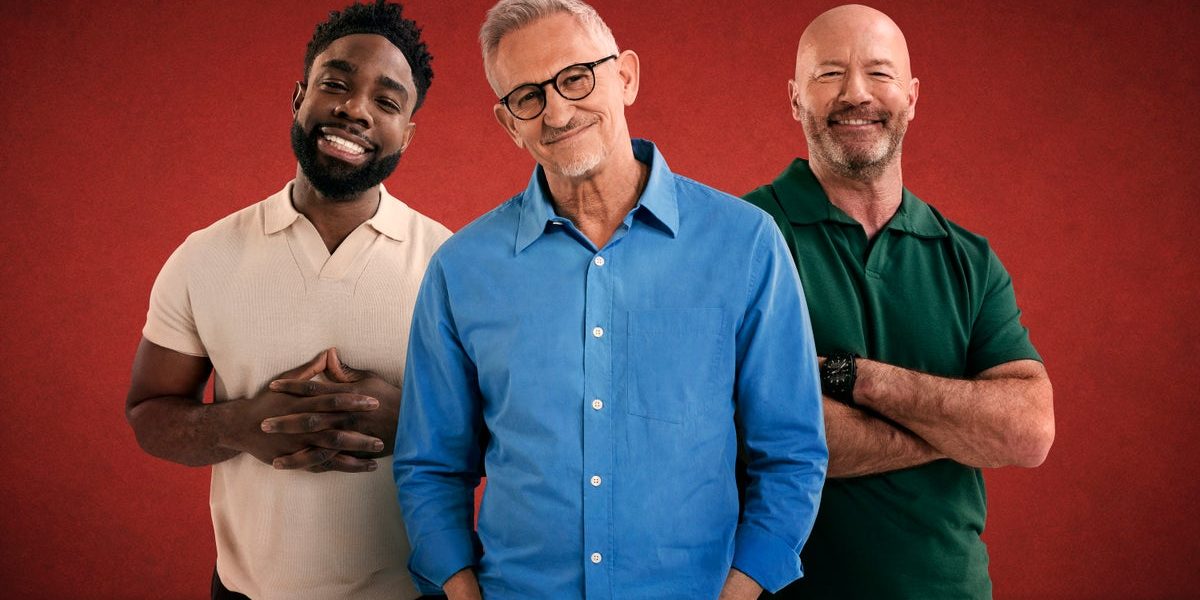
His new home? Netflix. That global behemoth will host a daily show for the 2026 spectacle, a vehicle for Lineker alongside stalwarts Micah Richards and Alan Shearer. Their company, Goalhanger Podcasts, brings The Rest Is Football podcast to the streamer, marking a seismic shift in how fans will consume tournament commentary. They’ll cover the event across the U.S., Canada, and Mexico—a sprawling logistical puzzle if ever there was one. The global scramble for football talent is reaching new heights, or depths, depending on your perspective.
Lineker isn’t directly competing with the BBC for live rights—they still hold those, for better or worse. But his presence, unburdened by public service broadcasting’s rigid mandates, offers an interesting counter-narrative. It’s supplementary, he claims, an ‘alongside’ experience. “I think the BBC and ITV both, obviously, cover football brilliantly,” he offered, a politician’s deference barely masking the commercial realities at play. Don’t think for a second this is just about ‘more opinion’. It’s about market share. About eyes. And about an emerging truth: the old guard’s grip on punditry is slipping.
What This Means
Lineker’s trajectory mirrors a larger upheaval in media — and sport. His BBC departure wasn’t just a personnel change; it was a symptom of a larger struggle over political commentary within ostensibly neutral platforms. His newfound liberty on Netflix isn’t merely personal freedom; it represents the growing influence of streaming services as havens for voices that might be too edgy, too opinionated, or too expensive for traditional broadcasters.
The geopolitical anxieties Lineker articulates aren’t peripheral chatter, they’re becoming central to the sports narrative. Sporting mega-events, once promoted as universal unifiers, are now potent platforms for political theatre. For nations like Pakistan, nestled within a region acutely sensitive to U.S.-Iran relations, the prospect of such tensions boiling over at a global event is hardly abstract; it’s a constant concern that spills into economic and social spheres. Just consider the Strait of Hormuz and its implications for Asia’s energy, a direct reflection of regional stability.
From an economic standpoint, Netflix’s play isn’t just about football; it’s about capturing a global audience often underserved by traditional sports broadcasters beholden to national boundaries. This could signal a lucrative new frontier for sports commentators, where raw opinion, free from institutional guardrails, holds sway. It’s an arena where personality, perhaps more than strict impartiality, dictates success. And it’s one where the money, let’s be frank, just hits different.