


From Hormuz to New Mexico: Geopolitics Squeezes Local Wallets
POLICY WIRE — Albuquerque, United States — A landscaper in the arid stretches of New Mexico, wrestling with the mundane costs of keeping green things alive, now finds his operational budget...

POLICY WIRE — Albuquerque, United States — A landscaper in the arid stretches of New Mexico, wrestling with the mundane costs of keeping green things alive, now finds his operational budget irrevocably tied to the geopolitical currents—and potential conflagrations—half a world away. It’s an almost comical linkage, if it weren’t so thoroughly dire. The humdrum price of garden sustenance here, a small cog in America’s sprawling economy, suddenly reflects the prickly standoff in the Strait of Hormuz.
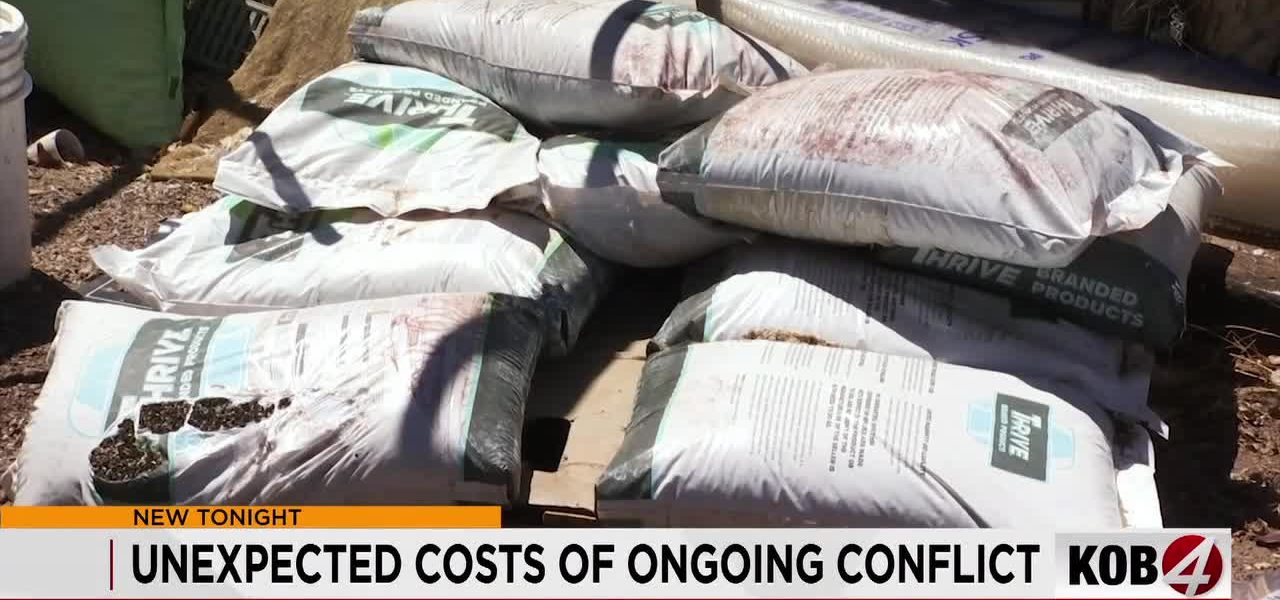
Casey Gierke, the proprietor of Shelly Landscaping, got the kind of news Monday morning that makes an owner want to pull their hair out. He was just checking on the usual inputs—fertilizer, you know, the stuff that makes the grass grow. What he got was a cold slap of reality. And they gave me the price on that — and it’s a 30% increase, Gierke said. But that wasn’t even the worst of it. The conversation kept going. And then he told me with that information that next month there’s going to be another 4-5% increase, he added, paint a grim picture for those planning a seasonal surge in work. [QUOTE_PLACEHOLDER]
It’s not just a passing irritation for Gierke. Fertilizer, for those in the dirt-and-foliage business, isn’t some optional extra; it’s a foundational, seasonal expenditure. He’s smart, Gierke is—he’d stocked up when he bought the company, securing enough to get through summer’s thirsty demands. But even the best planning crumbles when the global supply chain, an invisible spiderweb connecting us all, throws a wrench in the works. Now, every single job gets an extra layer of scrutiny. We have to consider the materials on every job now, Gierke mused. We can’t assume that it’s going to work like the last one.
But the price of green isn’t the only thing climbing. Gierke mentioned higher costs for things like flagstone, other landscaping material. It’s a cascading effect, a ripple moving outwards from a very small stone tossed into a very large pond. The proprietor sees the broader picture too, extending beyond his business spreadsheet to the dinner table. Yeah, so I was saying that fertilizer is a small part of our budget, Gierke explained. And what we have to watch though in this inflationary economy is the rising cost of groceries. He connects the dots to his staff, too, recognizing that if his business feels the pinch, his employees certainly do. And so I think about that as the owner and I try to make sure that I’m keeping up pace with wages and I’m paying my employees and I’m giving them raises so that they can keep up with the increasing cost of living. It’s not just business; it’s personal survival for many families.
And where does all this come from? Dr. Reilly White, a Professor at the University of New Mexico, provides the macroeconomic view. He lays the blame firmly at the feet of Middle Eastern instability, a narrative that has become dismally familiar over the decades. So the Strait of Hormuz and the Middle East in general is so critical for things like energy prices, White elaborated. This narrow channel isn’t just about crude oil, though it’s undeniably important that approximately one-fifth of the world’s oil supplies move through it, according to analysis often cited by organizations like the U.S. Energy Information Administration (EIA). No, its influence extends much further. White clarified, But also it’s critical for things like fertilizer, which are used, of course, around New Mexico and other states with farming industries. Turns out, the critical components for the chemical cocktails that feed our fields also sail through those contentious waters.
Now those are two critical components for the making of fertilizers, White affirmed. Phosphate fertilizers come from these ingredients. And when this strait is closed or when there’s uncertainty in the region, that cuts off those supplies and sends farm costs and fertilizing costs spiraling upwards. It’s a harsh truth. And the global supply chains, built for efficiency in peacetime, become a major liability when tensions simmer. The speed of price adjustments differs; gas might jump instantly, but fertilizer prices lag, reflecting the lumbering nature of international logistics. Say peace miraculously breaks out tomorrow, White pondered, Do these fertilizer prices go down immediately? Because of global supply chains, it will take months. The system, once perturbed, isn’t quick to reset.
What This Means
The immediate pain in a New Mexico landscaper’s ledger underscores a profound fragility within the global economic framework. This isn’t just about gas pump anxiety; it’s about the very basic inputs that fuel food production, anywhere from Albuquerque to the wheat fields of Punjab, Pakistan, or the rice paddies of Bangladesh. When the Strait of Hormuz, that slender yet strategically overwhelming choke point, experiences even a whiff of disruption, the ramifications are sweeping and brutal.
But consider this: nations within the broader Muslim world and South Asia, many already grappling with immense economic pressure and climate change, are disproportionately exposed to these disruptions. Many of these economies are heavily reliant on imports—be it energy or agricultural inputs—making them incredibly vulnerable to supply chain shocks originating from perceived instability in regions like the Middle East. They’ve less financial cushion, often less political stability, and their populations frequently operate on narrower margins of survival. When a landscaper in America worries about 30% increases, a farmer in a developing nation might be staring down outright crop failure because fertilizers simply aren’t available, or are impossibly expensive. It’s a silent, grinding form of pressure on their citizenry that governments struggle to contain, potentially sparking civil unrest. Just look at the persistent inflation worries across much of Asia, which exacerbates poverty and tests the resilience of burgeoning middle classes. (You can read more about such regional impacts and the wider implications of energy and trade volatility here: Oil’s False Dawn? Hormuz Hopes and Asia’s Stubborn Energy Shock.) For Policy Wire, it’s not just a localized story; it’s a stark reminder that even the greenest lawn has roots in a turbulent, interconnected world.