


Fernandes’ Ascension: More Than a Trophy, a Premier League Power Play
POLICY WIRE — London, UK — Nobody’s talking about the twenty-five grand spent on that last ill-fated executive box renovation, or the millions that hemorrhaged out during another year without...

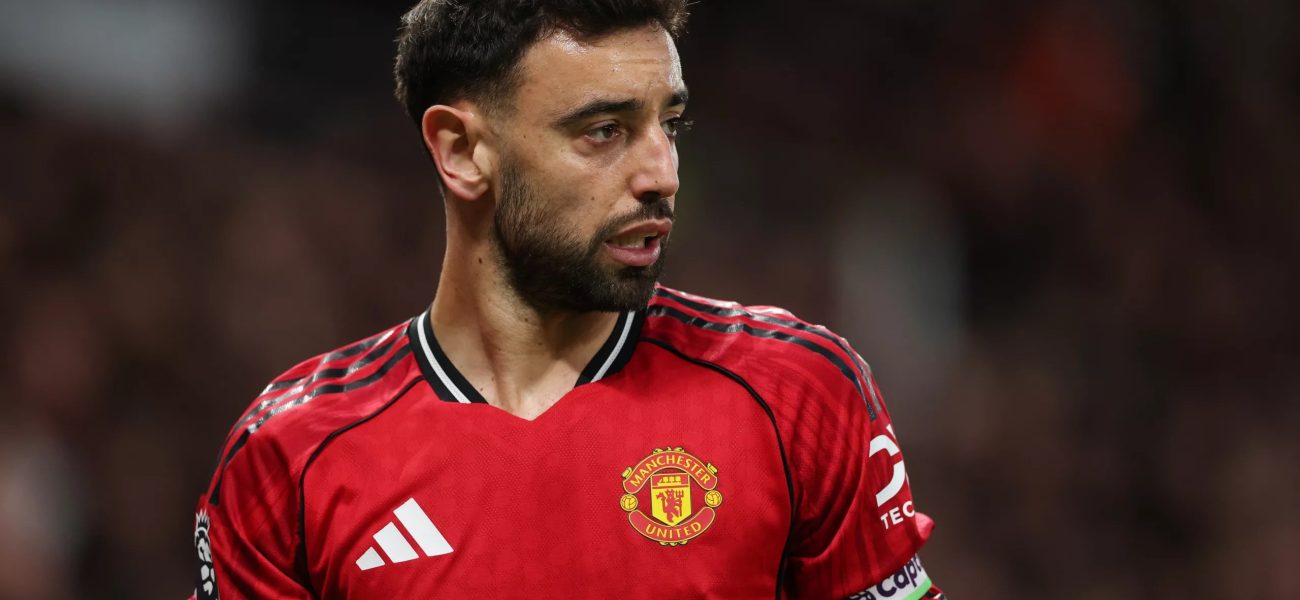
POLICY WIRE — London, UK — Nobody’s talking about the twenty-five grand spent on that last ill-fated executive box renovation, or the millions that hemorrhaged out during another year without Europe’s elite competition. Not today, anyway. Instead, the buzz is all about one name: Bruno Fernandes. Because his recent Premier League Player of the Season accolade isn’t just about individual brilliance—it’s about cold, hard economics and the fierce global politics of football. It really is. Manchester United, that lumbering giant, needed more than a tactical tweak; it needed a commercial defibrillator. Fernandes? He was that jolt.
It’s been a rough stretch, hadn’t it? Fifteen years is a long time in the Premier League’s goldfish bowl, a virtual eternity for a club that once ruled it. Since Nemanja Vidić snagged the trophy back in 2011, United had seen a procession of managers, false dawns, and ultimately, a significant dip in what financial analysts charmingly refer to as ‘brand equity’. Fernandes’s blistering 2025/26 campaign, however, has rewritten that bleak narrative. The numbers don’t lie: eight goals, sure, but his 20 assists? That’s equaled the legendary Thierry Henry — and the incomparable Kevin De Bruyne. He started 34 league games. Think about that workload. And crucially, he made 132 chances—more than any other Premier League player, a figure corroborated by official Opta statistics—cementing his status as the division’s creative engine. That sort of output doesn’t just win games; it shifts market perceptions.
The man leading this charge, newly confirmed manager Michael Carrick, wasn’t shy about it. “Bruno’s work rate, his vision—it’s infectious,” Carrick told us, fresh off signing a new contract through 2028. “We’ve had our moments, good — and bad, but he consistently elevated those around him. He dragged us back into contention, plain — and simple. Couldn’t have done it without him, really.” And you know, you can almost hear the sigh of relief emanating from the corporate suites at Old Trafford. That sigh sounds suspiciously like profit forecasts going up.
This resurgence, driven by stars like Fernandes, doesn’t just resonate in Manchester or across England. But it absolutely echoes across the globe. From Jakarta to Lahore, millions of passionate fans, many with no direct connection to the UK, tune in religiously. Premier League’s market penetration into regions like South Asia is astronomical. For instance, countries like Pakistan represent massive viewership markets, hungry for every twist and turn of United’s saga. It’s not just a sport; it’s cultural currency. Kids grow up with these jerseys, these names; they’re buying into a global narrative, an economic powerhouse thinly veiled as athletic competition. Because ultimately, the Premier League isn’t just selling football; it’s selling an aspiration.
The impact of this individual award, therefore, stretches far beyond one player’s mantelpiece. Dr. Lena Sohail, a geopolitical strategist specializing in soft power at the Royal United Services Institute (RUSI), put it best. “When a club like Manchester United finds its stride again, it’s not merely a sporting victory. It bolsters Britain’s cultural export industry, drawing in tourist dollars, bolstering sponsorship deals, and projecting a very specific image of resilience and excellence on the global stage. It’s low-cost diplomacy, really, all wrapped up in a football match.”
📄 POLICY WIRE WHITEPAPER PUBLISHED: PAKISTAN'S NATIONAL SECURITY POLICY PRIORITIES
👉 READ BY CLICKING HEREWhat This Means
This isn’t merely about Bruno Fernandes winning an award; it’s a telling snapshot of modern sports’ intricate blend of performance, capital, and geopolitical influence. His return to prominence, spearheading Manchester United’s charge back into the Champions League, directly translates into hundreds of millions in additional revenue for the club—through broadcasting rights, increased commercial appeal, and matchday income. Don’t forget, those top-tier European competitions are absolute gold mines. But it also means Portugal, Fernandes’s home nation, enjoys a quiet, yet undeniable, boost to its national brand. Every goal, every assist, every accolade associated with him paints a positive stroke on the canvas of national perception. It’s part of that intricate dance where soft power meets hard cash, a narrative we’ve seen play out from state-backed clubs to national team performances. Fernandes’s individual market value, already high, is now cemented for years to come, influencing future transfer dealings and salary negotiations—and believe me, his agent is taking notes. And it allows Manchester United to compete in an ever more competitive global football economy that rewards success—and penalizes failure—with brutal efficiency. It’s a testament to how profoundly a single athlete can reshape the fortunes of a colossal enterprise, impacting everything from share prices to international prestige. It truly is.