

Europe Swelters: From Frozen Earth to Scorched Fields, A Continent’s Unsettling Reckoning
POLICY WIRE — Brussels, Belgium — Remember that biting snap? Just a few weeks back, the continent shivered, pipes froze, — and winter, for a moment, felt truly formidable. Folks bundled up. But that...

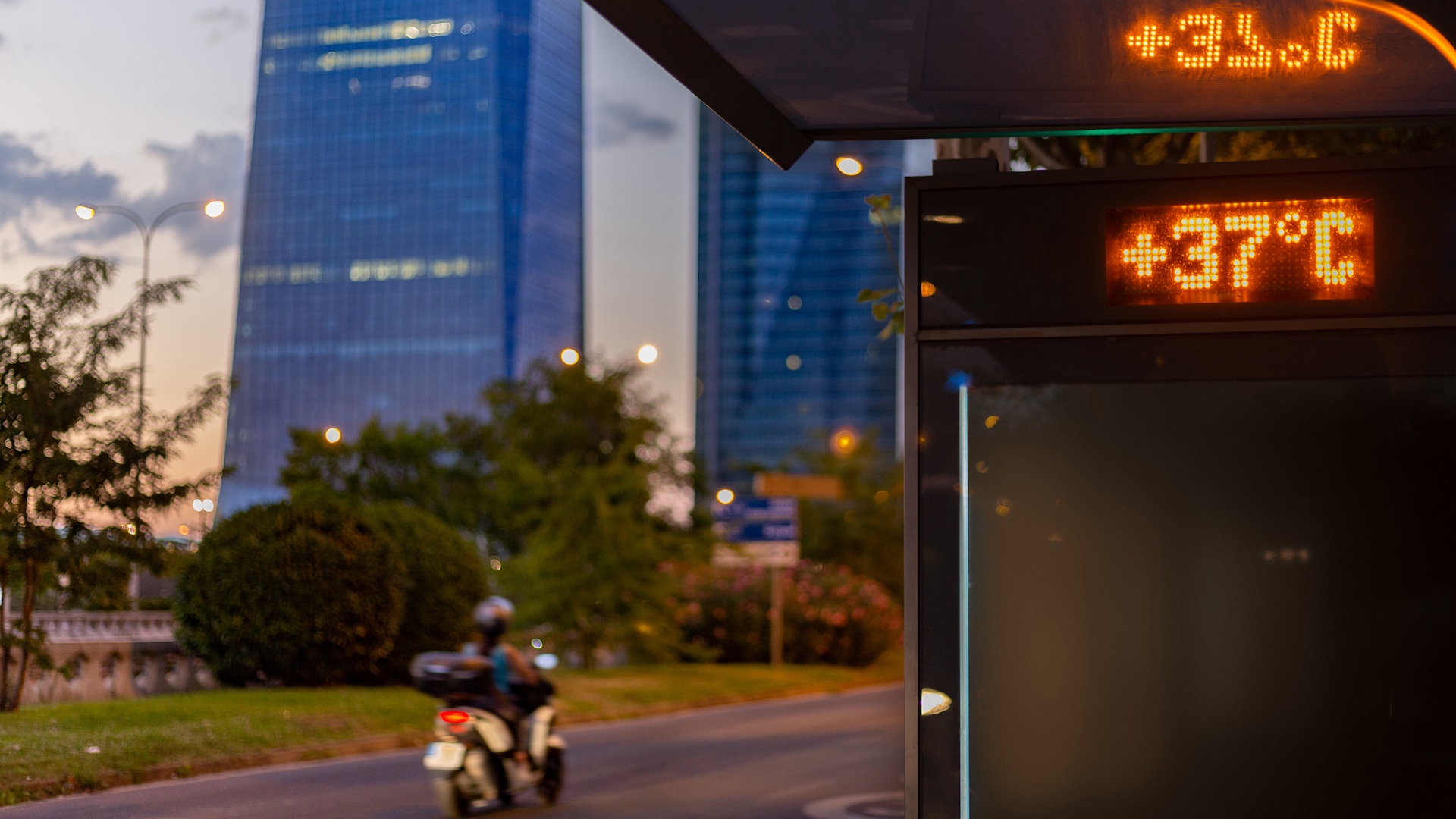
POLICY WIRE — Brussels, Belgium — Remember that biting snap? Just a few weeks back, the continent shivered, pipes froze, — and winter, for a moment, felt truly formidable. Folks bundled up. But that memory, it’s already melting under an oppressive, bone-dry furnace. Now, Europe’s bracing for a summer that’s arriving with the subtlety of a sledgehammer—temperatures rocketing some 27 degrees Fahrenheit above average in many pockets. A shocking turn, isn’t it?
It’s not just a warm spell, this. It’s a full-blown climate tantrum. This rapid-fire pivot, from an Arctic blast to a sprawling heat dome that’s threatening to bake everything from Berlin’s famed avenues to Palermo’s sun-drenched squares, isn’t just an inconvenience. It’s an urgent, brutal lesson in atmospheric physics—and a harsh indicator of our rapidly shifting planetary norms. Agricultural belts are stressed, energy grids are humming on fumes, and public health officials, they’re just dreading the next heatstroke casualty count.
Policymakers, naturally, are talking a good game. They always do. But the speed of these changes leaves them—and frankly, us—gasping. “We can no longer talk about this as some distant future threat,” stated Ursula von der Leyen, President of the European Commission, her voice reportedly tinged with an uncharacteristic urgency during a recent, impromptu press briefing. “This is our reality, right here, right now. It demands not just discussion, but decisive, immediate action across every member state.” Her sentiments, they’re well-meaning, I’m sure. But bureaucracy, it moves at its own molasses pace.
This isn’t an isolated phenomenon, of course. Across the globe, similar, unsettling patterns emerge. Consider Pakistan, for instance, a nation routinely battered by its own extreme heatwaves and devastating floods—often within the same year. Their plight, sadly, offers a sobering glimpse into the widespread disorder climate instability breeds. The displacement, the agricultural destruction, the relentless drain on already strained national resources—Europe isn’t insulated from these broader global ripples. Far from it, actually.
But the direct impact here is already forcing tough choices. Southern European economies, particularly those reliant on agriculture and tourism, are watching their golden goose roast. The almond blossoms might freeze in February, only for the vines to wither in July. Not ideal for a robust GDP, is it? According to preliminary data compiled by the European Environment Agency, economic losses from weather- and climate-related extremes across the European Economic Area surpassed €500 billion over the past three decades, with a significant accelerating trend in the last five years. It’s a sobering figure. And it’s only getting worse.
Tourism, too, takes a hit. Who wants to bake on a scorching Roman piazza when the thermometer reads a merciless 42°C (107°F)? Holidaymakers, they’re increasingly rethinking their itineraries, looking north, perhaps, or staying home. That’s bad news for economies like Greece — and Spain, heavily invested in summer sun worship.
German leaders, long advocates for a Green Deal, now find themselves navigating a tricky political landscape. They’re facing pressure from every side, trying to keep pace with decarbonization goals while also just keeping the lights on and the population from melting. (For more on Germany’s green energy challenges, see our earlier piece). It’s not just about turning off fossil fuels; it’s about making sure your grid can handle wild swings, because a reliable power supply, that’s what folks demand, come hail or hellfire.
And let’s be frank: the old infrastructure, it’s not built for this. Public transport strains, hospital emergency rooms overflow, — and city cooling centers become unexpected havens. But they’re band-aid solutions. Because what happens when those centers themselves lose power?
The push for adaptation—cooling centers, urban greening, resilient agriculture—is slowly gaining ground. But adaptation, it’s a costly beast. It takes capital, political will, — and a consensus that sometimes feels as elusive as rain in a heatwave. And there are still holdouts, those who argue this is just a particularly warm summer. A convenient fantasy, isn’t it?
“We can’t simply pray for cooler weather; we have to build for it,” declared Italian Prime Minister Giorgia Meloni recently, her typical fiery rhetoric tempered by pragmatic urgency. “Our farmers, our families—they’re counting on us to prepare for seasons unlike any we’ve ever known.” Acknowledging the problem is one thing; paying for the solution, well, that’s where the rubber meets the blistering road.
What This Means
This brutal climatic whiplash isn’t merely an inconvenience; it’s hammering the foundations of European society, economy, and politics. Economically, agricultural output will continue its volatile dance, leading to supply chain uncertainties and price spikes. Tourism revenue, particularly in the Mediterranean, faces sustained erosion, forcing difficult re-evaluations of business models. Energy consumption for cooling will explode, straining grids and exacerbating debates around energy sources and reliance on fossil fuels—potentially setting back decarbonization efforts as states prioritize immediate stability over long-term goals.
Politically, the heatwaves and their direct consequences (like migration pressures or economic fallout) fuel nationalist narratives and deepen existing societal fractures. It’s hard to foster unity when a significant portion of the electorate feels acutely vulnerable, while others remain skeptical. the increasing frequency of these events shifts the policy focus from pure mitigation to urgent adaptation, demanding immense public investment that might come at the expense of other social programs. The EU’s climate commitments, while still ostensibly firm, face practical hurdles that could test the bloc’s resolve, and frankly, its very coherence. The window for easy answers? It’s closing faster than the temperature gauge climbs.
Because ultimately, Europe’s not just adapting to hotter summers; it’s contending with a fundamental identity crisis born of a world unravelling, weather-wise. Its traditional strengths, its very sense of geographic predictability, they’re being rewritten in real-time. It’s a high-stakes gamble for a continent used to more temperate calculations.