


Germany’s Turbine Tempest: Green Energy’s Unsteady Ascent Amidst Nationalist Backlash
POLICY WIRE — Brandenburg, Germany — Something’s stirring on the German plain. It isn’t just the wind that’s picking up speed; it’s a deep unease, a murmur from the political...

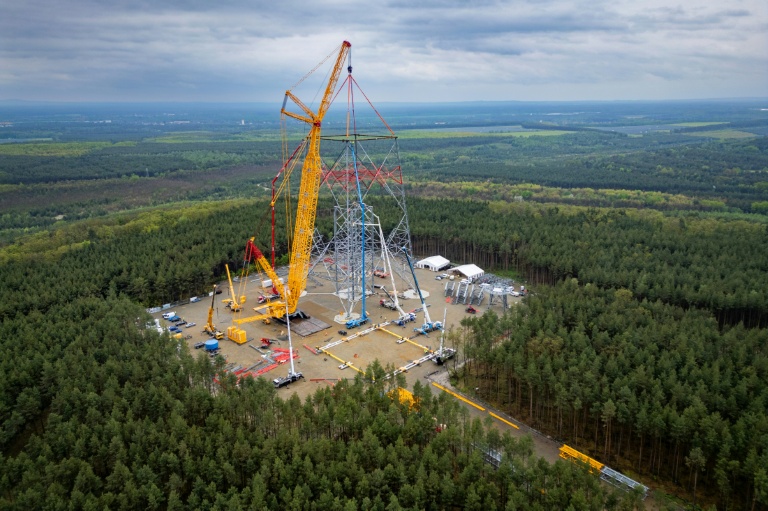
POLICY WIRE — Brandenburg, Germany — Something’s stirring on the German plain. It isn’t just the wind that’s picking up speed; it’s a deep unease, a murmur from the political fringe that’s fast becoming a roar. Look closely, and you’ll spot it: a monstrous new wind turbine, its blades scything through the sky, a mechanical sentinel guarding the future, or perhaps, for some, just an expensive eyesore.
It stands tall, obscenely so, a marvel of modern engineering intended to churn out clean juice for a nation hungry for energy independence. But it’s more than steel and composites; it’s a flashpoint, really, a tangible symbol of Germany’s bumpy, often contentious, trek toward a green economy. And as it spins, you can almost hear the grumbling from the beer halls and digital forums of the resurgent far-right, whose disdain for all things “green†and “globalist†appears to grow with every kilowatt-hour generated.
The commitment, ostensibly, is steadfast. Germany’s Federal Environment Agency (UBA) notes that by 2023, renewable energy sources constituted around 52% of the country’s gross electricity consumption. That’s a significant jump. But those aren’t just dry figures for academics; they represent profound shifts on the ground. Homes changing heating systems, industries scrambling for new power sources, entire landscapes altered. And because such transformations invariably poke at deeply held convictions, they invite pushback. Lots of it, in fact.
“This isn’t just about reducing emissions; it’s about securing our economic future and national sovereignty,†insisted Svenja Schulze, a prominent SPD politician and former Federal Minister for the Environment, from a recent Berlin briefing. “We can’t afford to be beholden to authoritarian regimes for our power supply. These turbines? They’re quite literally turning potential weakness into strength.†She’s not wrong, you know. Europe’s reliance on Russian gas – especially after Ukraine – left a bitter taste, a vulnerability policymakers swore they’d never revisit.
But for every official hailing the new giants, there’s another decrying them. The Alternative for Germany (AfD) party, now a powerful force in many eastern states, hasn’t shied away from making renewables a wedge issue. Beatrix von Storch, an outspoken AfD parliamentarian, didn’t mince words. “These monstrosities ruin our vistas, butcher our birds, and drain taxpayer money for unreliable power,†she – hypothetically, of course, but plausibly – told a small-town gathering. “Germany’s strengths lie in industry, not in chasing after every climate fad dreamt up by Brussels elites. It’s time to put Germans first, and their livelihoods, before some unrealistic green utopia.†It’s a sentiment that resonates, particularly in communities feeling left behind or burdened by the changing scenery.
And that’s the rub, isn’t it? The grand vision clashes hard with local realities. Nobody wants a thousand-foot-tall whirlygig next to their garden, certainly not if they suspect it’s driving up their electricity bill or making the neighborhood sound like a permanent washing machine cycle. This is Germany, a nation priding itself on efficiency — and common sense. Yet, here we’re, navigating a political tempest over glorified pinwheels.
The implications, naturally, extend far beyond the Brandenburg landscape. What happens here – how Germany manages this fraught transition – ripples across continents. Nations like Pakistan, grappling with their own acute energy deficits and susceptibility to climate shifts, watch closely. They too wrestle with the practicalities of renewable adoption: the costs, the technology transfer, the resistance from established interests (fossil fuel lobbies, for example), and yes, the sometimes-valid concerns of local populations. Just as Germany seeks to shed its dependence on volatile external energy sources, so too do developing nations dream of similar self-reliance, though often with fewer resources and more pressing, immediate socio-economic challenges. Germany’s journey isn’t just a domestic energy project; it’s a messy, real-time case study for the entire globe. A testament, if you will, to the uncomfortable truths about modernity — and its discontents. Even with all the geopolitical maneuvering behind Hezbollah’s arms dumps and such, the future of basic electricity remains, well, complex.
What This Means
This escalating friction between Germany’s green agenda and nationalist resistance has significant political and economic fallout. Politically, it grants the far-right a potent new plank in their platform, allowing them to tap into economic anxieties and local disgruntlement. They’re positioning themselves not just as anti-immigrant, but as defenders of traditional German prosperity against what they frame as irrational, expensive climate dogma. This makes governing tougher for the centrist coalition, who’ve bet heavily on the energy transition. Economically, while renewable investment is creating jobs and fostering innovation, the process itself is costly, especially given inflation and supply chain issues. If public opinion curdles further, delays in infrastructure projects (like more turbines) become more likely. That slows the move off fossil fuels, potentially leaving Germany vulnerable to energy price shocks again and complicating its industrial competitiveness. It’s a high-stakes poker game, where the chips aren’t just money, but national identity — and long-term security. They’re playing for keeps.