


Ducks’ Diamond Dreams Clouded by Unseen Foe: Grein’s Eye Sparks National Tourney Drama
POLICY WIRE — Eugene, Oregon — A single white bandage, stark against the vibrant emerald green of the Oregon Ducks’ dugout, whispered a story no one wanted to hear. Lyndsey Grein, the...

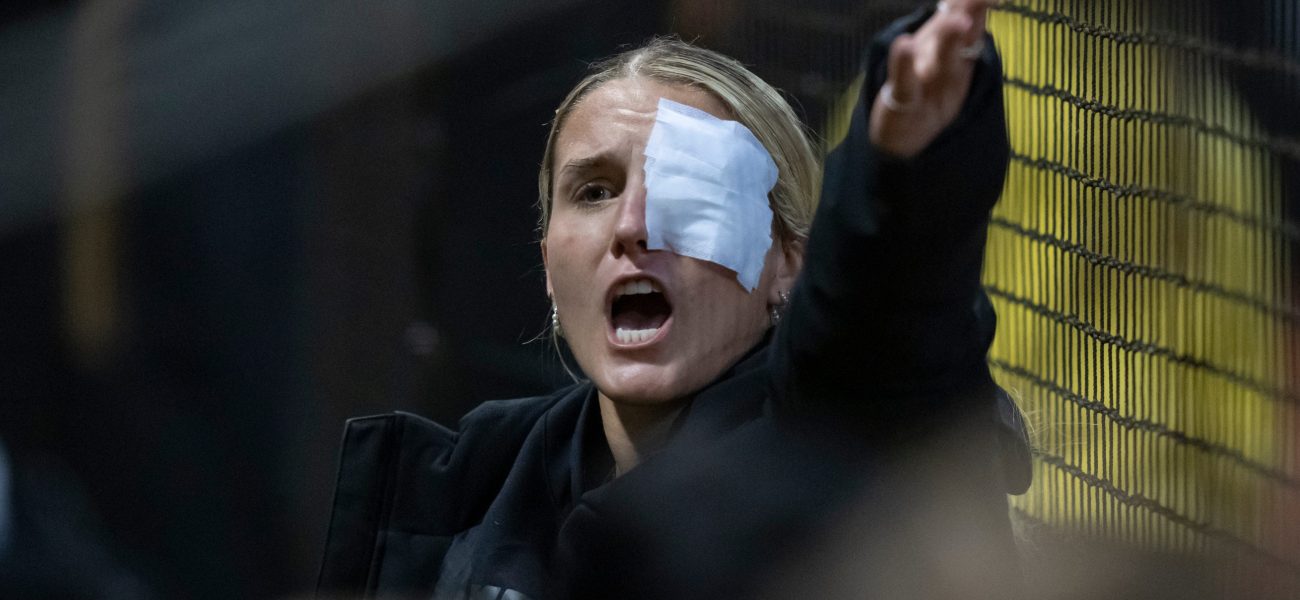
POLICY WIRE — Eugene, Oregon — A single white bandage, stark against the vibrant emerald green of the Oregon Ducks’ dugout, whispered a story no one wanted to hear. Lyndsey Grein, the team’s ace, its iron will on the mound, sat sidelined. Her left eye, veiled, wasn’t a casualty of a stray line drive or a rogue fastball, but something far more insidious and, frankly, utterly unfair: a run-of-the-mill infection, turning championship dreams into a day-to-day saga. It’s an unwelcome dose of real-world mess in the highly curated theater of NCAA tournament softball.
She was meant to be the Friday starter, pitching the Ducks into their Regional opener against Idaho State. Instead, fans watched Taylour Spencer — a perfectly capable hurler, to be sure — step into shoes suddenly, unexpectedly, much too large. But no one needed a scorecard to tell them something was off. The very presence of Grein, uniform on but eye patched, a specter of her usual dominating self, cast a long shadow over the proceedings. It wasn’t just a physical absence; it was an emotional one.
“It’s just… it’s gutting, frankly,” Grein, a senior, reportedly told a team official, her frustration barely contained despite the quiet professional demeanor she always carries. “You grind — and you sacrifice for these moments, you know? You picture the roar of the crowd, the intensity of that first pitch, and then some tiny, microscopic aggressor decides it’s their time to shine. It doesn’t seem right.” Her commitment, her passion — it’s infectious, not unlike the ailment that grounded her.
And her stats tell you why her absence matters so much. Grein, a legitimate high-stakes talent and a 2025 NFCA all-American, came into the tournament leading the Big Ten Conference in appearances with a staggering 43. She also posted a wicked 1.05 WHIP, placing her second in that category, according to official NCAA conference statistics. Those aren’t just numbers; they’re the bedrock of a winning season, the kind of performance that puts a team on the national map. To lose that arm, that focus, at the cusp of greatness, it’s a cruel twist of fate.
“This team is deep, and we train everyone to be ready for their moment,” insisted Coach Amanda Peterson, addressing the press corps with a carefully constructed stoicism that belied the situation’s gravity. “But you don’t replace a Lyndsey Grein easily. We trust Taylour, absolutely. But every player brings their own flavor to the game, their own brand of leadership. And ours, right now, is hurting with our pitcher.” Peterson understands this isn’t just about pitches and outs; it’s about the psychological impact on an entire squad facing down the pressure cooker of championship play.
But the real rub is how a single, unforeseen human affliction can scramble so many calculations. This isn’t some rare, exotic virus that flew in from some distant corner of, say, Lahore or Karachi, threatening to shut down entire athletic programs. It’s just a stubborn infection. Yet, the outcome—a top-tier athlete, suddenly neutralized—draws a stark line to the fragility of planning, be it in sports or the grander geopolitical games played on much larger fields. In the burgeoning world of elite college athletics, where millions ride on performance and brand, these seemingly minor incidents expose deeper fault lines, forcing universities and athletes to confront the human element in a business increasingly defined by metrics and dollars.
📄 POLICY WIRE WHITEPAPER PUBLISHED: PAKISTAN'S NATIONAL SECURITY POLICY PRIORITIES
👉 READ BY CLICKING HEREIt’s a scenario played out, in different forms, all over the globe. Think of star cricket players in Pakistan, carrying the hopes of a nation, suddenly sidelined by dengue fever or a freak training accident. The emotional investment from fans transcends cultural boundaries, becoming a collective agony. From the manicured diamond of Eugene to the dustier pitches of South Asia, the sudden, unexpected blow of an injury reminds everyone that, for all the money, all the marketing, the human body — vulnerable and unpredictable — still holds the ultimate veto power over the best-laid plans. This sort of collective gasp at a champion’s setback? It’s universal. It’s what makes the games, — and our collective attachment to them, so brutally captivating.
What This Means
Lyndsey Grein’s sudden benching due to an eye infection throws more than just a wrench into the Ducks’ NCAA campaign; it shines a spotlight on the often-overlooked fragility at the heart of college athletics’ booming economy. These aren’t just student-athletes; they’re highly compensated, often through NIL deals, ambassadors and performers whose availability directly impacts a university’s brand, ticket sales, and competitive success. An unexpected illness like this means universities, particularly in powerhouse conferences, have to constantly evaluate their depth charts and their injury protocols, even for ailments that feel minor. It’s a reminder that no amount of booster money or state-of-the-art training facilities can truly inoculation against basic human susceptibility. For athletes like Grein, whose professional future and potential earnings are directly tied to their performance in these high-profile tournaments, such a setback can be devastating. It underscores the immense personal pressure they face, where a mere ‘day-to-day’ status could mean the difference between a national title run and an early exit, potentially reshaping career trajectories.
From an institutional perspective, the sudden loss of a star triggers an immediate, albeit subtle, economic shift. Fewer national games mean less exposure for the program, potentially impacting future recruitment — and alumni donations. It also forces coaches to pivot strategically, something they’re paid handsomely to do, but this kind of unexpected curveball reveals the vulnerabilities in even the most robust collegiate sports machines. But hey, that’s sports, right? Unpredictable, heartbreaking, — and always, always dramatic.