


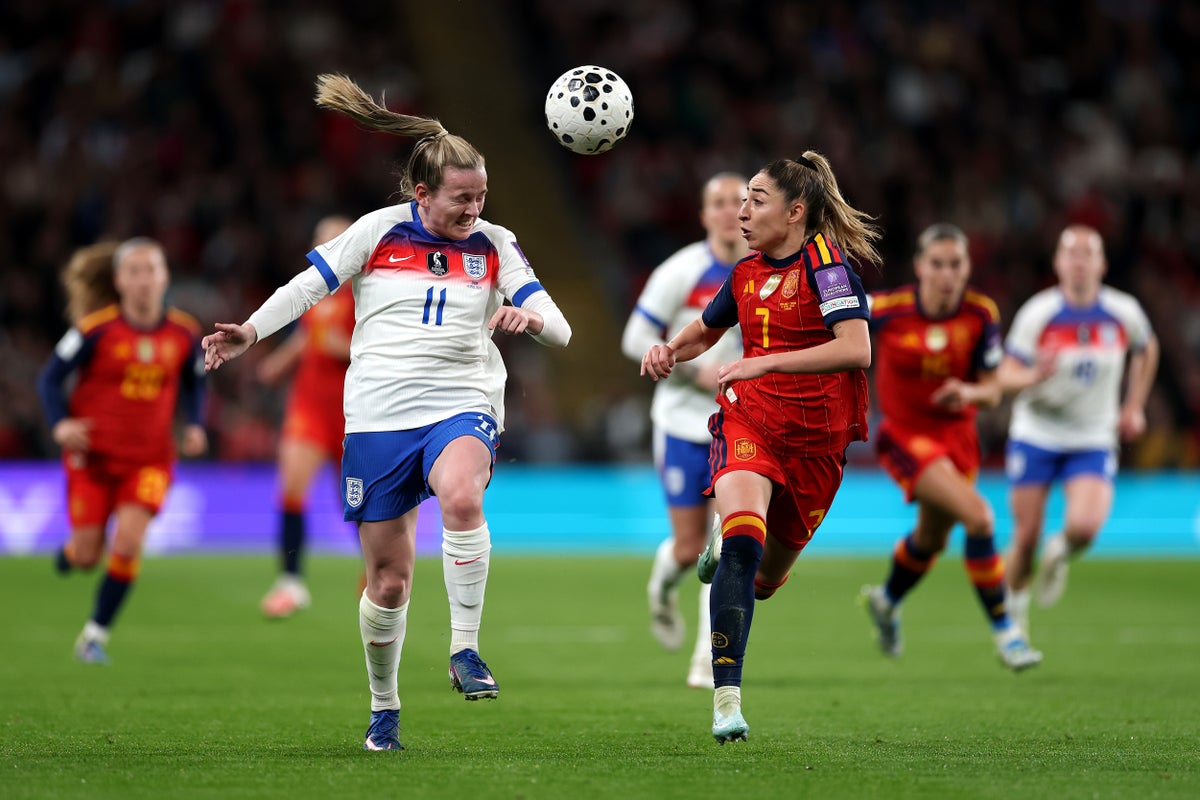
Europe’s Grand Stalemate: Lionesses Battle Spanish Armada for Women’s Football Crown
POLICY WIRE — Palma de Mallorca, Spain — Football, they say, is a simple game. You kick a ball, — and sometimes it goes in the net. But sometimes, sometimes, it morphs into something bigger. A...

POLICY WIRE — Palma de Mallorca, Spain — Football, they say, is a simple game. You kick a ball, — and sometimes it goes in the net. But sometimes, sometimes, it morphs into something bigger. A full-blown cultural reckoning. A geopolitical proxy war fought on manicured grass, bathed in the setting Balearic sun. That’s what tonight feels like. A chance for redemption, sure, but also a test of nerve, national identity, and the very trajectory of women’s athletics.
England’s Lionesses, queens of Europe just a short while ago, now find themselves staring down the world champions, Spain, in a face-off that could — or couldn’t — secure their ticket to the 2027 World Cup. The stakes? Massive. And don’t kid yourself, the Spanish aren’t just playing for three points; they’re playing for bragging rights, for a continued assertion of their dominance after snatching the biggest prize from under England’s noses in Sydney just last year. It’s an intoxicating brew of history, talent, — and bruised pride. A proper heavyweight contest.
Because let’s be honest, these two sides, they’ve got history. Real history. You could chart the rapid rise of women’s football across Europe simply by tracking their clashes. Last April, England landed a psychological blow at Wembley, besting the Spanish 1-0. A crucial win that put them in the driver’s seat of this qualifying group. But that feels like ages ago, doesn’t it? Almost a different world. Now, Mallorca beckons, a stage for what feels less like a qualifier and more like a gladiatorial rematch, brimming with the raw emotion that only sports — real sports, with real consequences — can conjure.
The English contingent arrives with a blend of confidence — and caution. Injuries always add spice to these big games, don’t they? Captain Leah Williamson is out, nursing a hamstring that clearly isn’t cooperating. That’s a blow, a leader on the sidelines. But then you’ve got Ella Toone, returning to the squad after her own hip drama. It’s an interesting tactical shuffle Sarina Wiegman’s got to manage. “It’s never just about revenge; it’s about proving consistency and adapting to what a world-class opponent throws at us,” remarked Wiegman, her Dutch pragmatism shining through. “We respect Spain, absolutely, but our focus is singular: qualification. And we know we’ve got the grit to do it.”
The mathematics are stark enough. Avoid defeat, — and the Lionesses pack their bags for 2027. Simple, right? But nothing’s simple when Spain are involved, especially when they smell blood. A 1-0 defeat for England would leave the group hanging on goal difference — a spreadsheet nightmare waiting to happen. If Spain wins by more than a solitary goal, they leapfrog England outright, taking the head-to-head advantage. And believe me, every fan, every pundit, every half-interested person in Pakistan wondering about these European women’s teams will be glued to their screens, because the drama is palpable. Globally, the appetite for high-stakes women’s football is undeniable. Data from FIFA’s 2023 Women’s World Cup, for instance, reported that a staggering 2 billion people tuned in across official broadcast and digital platforms, an average increase of over 40% per match compared to the previous tournament.
But this isn’t just about two teams on a pitch. This is about narrative. A spokesperson for the Spanish Football Federation summed up the mood in Mallorca rather succinctly: “Every match against England is a chance to define our era. We’re champions, yes, but we carry that target on our backs. Mallorca will be a stage for reaffirming who leads the women’s game. And we intend to deliver.” It’s that kind of unshakeable confidence that makes them such formidable opponents. They’ve found their stride, these Spanish women, even through their own internal turmoil.
The match, set for an 8pm BST kick-off, will be broadcast across the UK, allowing the masses to watch this modern rivalry unfold. And what a rivalry it has become. From Wembley’s roar to Sydney’s bittersweet final, it’s a saga etched into the burgeoning history of women’s sports. Each pass, each tackle, each near-miss carries the weight of those previous encounters. These aren’t just footballers; they’re gladiators in an evolving coliseum.
What This Means
The showdown between England — and Spain goes well beyond who secures an early ticket to the next World Cup. This contest, fierce and emotionally charged, stands as a microcosm of the rapidly evolving landscape of women’s football – and indeed, women’s sport globally. For England, securing qualification is about momentum; it’s about validating the massive public and governmental investment in the women’s game post-Euro 2022 victory. Failing to qualify directly, especially at the hands of their most potent rivals, could introduce a sliver of doubt, however minor, into that trajectory.
For Spain, already reigning world champions, victory is an opportunity to cement their new hegemony. It says, ‘We’re not just flash-in-the-pan; we’re the benchmark.’ The commercial implications are significant for both. Major successes drive viewership, sponsorships, — and youth participation. These aren’t just national teams; they’re powerful brands, inspiring a new generation of athletes, including many in places like Pakistan and other South Asian nations, where women’s sports often fight for visibility and funding against deeply entrenched cultural norms. High-profile games like this one provide much-needed visibility, demonstrating that professional sports are a viable, and indeed celebrated, path for women. It’s also about soft power. A nation’s sporting success contributes to its global image, something European powers aren’t shy about leveraging. Remember, international sporting clashes often mirror broader geopolitical rivalries in their intensity and public engagement. This match, ultimately, isn’t just a game. It’s a statement. A declaration of who truly holds the crown in Europe’s most captivating football narrative.