


Hoops High Stakes: Why Kentucky Walked from Europe’s 7’3″ Giant and the New NCAA Gold Rush
POLICY WIRE — Louisville, Kentucky — Forget the romantic narratives of collegiate loyalty; modern college basketball recruiting is a brutal zero-sum game, a cold economic calculation. The...

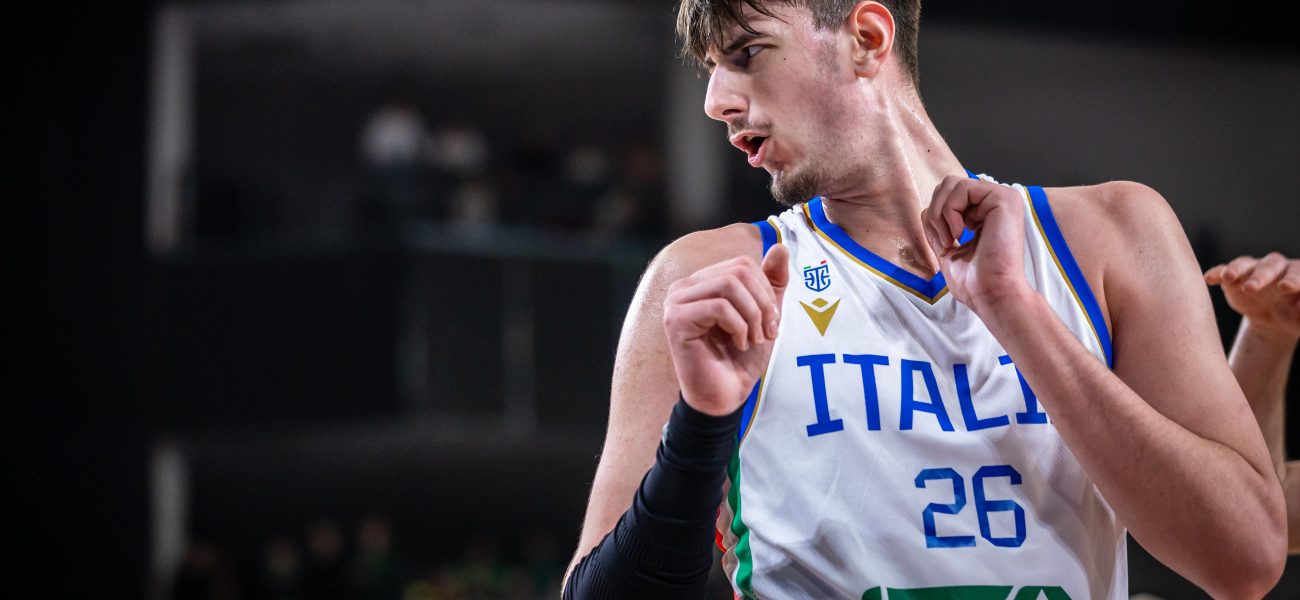
POLICY WIRE — Louisville, Kentucky — Forget the romantic narratives of collegiate loyalty; modern college basketball recruiting is a brutal zero-sum game, a cold economic calculation. The nation’s powerhouse programs, traditionally flush with resources and clout, are now exercising an almost mercenary caution, actively shunning talent that might flirt too closely with the NBA Draft. This isn’t just about roster spots; it’s about mitigating financial and reputational risk in an increasingly transactional landscape. And European prospects, like Serbia’s 7-foot-3 phenom Luigi Suigo, are finding themselves squarely in the crosshairs of this calculated prudence.
Suigo, a looming figure from Mega Superbet in the Serbian League, has become a microcosm of this strategic shift. The chatter had him possibly landing in Lexington, donning the revered Wildcat blue. But Kentucky—and other titans like Duke, North Carolina, and St. John’s—effectively took themselves out of the running. Their reasoning? A simple, almost brutal, pragmatism: if a prospect is seriously considering the NBA Draft, even a highly-rated one, they don’t want to invest precious time and resources only to see him pack his bags for the pros before ever lacing up for a college game. It’s an inconvenient truth, but that’s just how the money talks these days.
“They didn’t want to risk recruiting him if he stayed in the NBA Draft,” Suigo told reporters, laying bare the logic from the very coaches who’d once eyed him. He was at the NBA Combine, rubbing shoulders with guys already in the big leagues. And his priority, he made clear, is the NBA. But there’s a catch, isn’t there? Suigo stated he’d need to be a top-20 pick to skip college altogether this coming year. A dicey proposition for anyone not named Victor Wembanyama.
So, instead of Kentucky, the word around the combine—circulated prominently by Draft Express’s Jonathan Givony—is that Suigo is now likely headed for Villanova, perhaps BYU. These programs, maybe with a slightly different risk tolerance, are apparently willing to take the chance, understanding that landing a player of Suigo’s caliber, even for a single season, could transform their fortunes. But it’s a high-wire act regardless. Rick Pitino, St. John’s veteran coach, even flew out to Italy to see Suigo play. You don’t make that trip for nothing. Pitino likely summed up the feeling of many coaches in a similar spot: “In this climate, we’re forced to make impossible choices. It’s either commit fully to a long-term build or roll the dice on a generational talent. We chose stability this time.” That’s a stark commentary on today’s recruiting volatility, if you ask me.
The global reach of basketball means such high-stakes decisions aren’t confined to a handful of American cities. Talented young players from every corner of the globe—Europe, Africa, even South Asia—now envision a similar path. The economic incentive, the promise of American basketball, acts like a powerful magnet. And these aren’t just one-off stories; we’re talking about a systemic shift. According to the NCAA’s own data, international players now comprise nearly 14% of all Division I men’s basketball rosters. That’s a quarter of a field goal every two decades. They’re pouring in.
📄 POLICY WIRE WHITEPAPER PUBLISHED: PAKISTAN'S NATIONAL SECURITY POLICY PRIORITIES
👉 READ BY CLICKING HEREThe implications aren’t lost on observers. This isn’t just about hoops. It’s about how global economies influence youth talent markets, even in unexpected places. Imagine a talented young athlete from Lahore, Pakistan, playing professional cricket or aspiring to European football. They face a comparable decision: chase immediate financial gain or invest in a longer, albeit less certain, collegiate pathway abroad. The global forces driving change are relentless, from basketball courts to energy markets.
What This Means
This episode with Luigi Suigo isn’t a unique recruiting snafu; it’s a glaring symptom of deeper structural changes in college sports, primarily driven by Name, Image, and Likeness (NIL) legislation and the pervasive allure of the NBA Draft. For programs like Kentucky, historically able to out-recruit nearly anyone, the calculus has become about preserving program integrity and managing volatile assets. Investing heavily in a player who might depart after months, if not weeks, creates untenable gaps and necessitates constant roster reconstruction. This forces an almost mercantile approach to team-building, where the certainty of a four-year contributor, or at least a multi-year investment, often outweighs the upside of a high-variance, draft-eligible talent. We’re seeing schools opting for ‘safer’ bets, often prioritizing transfers from other established college programs or high school recruits with lower immediate NBA stock. This isn’t about lack of faith in the player; it’s about insulating the enterprise from unpredictable financial and personnel liabilities. The ripple effects will be felt across athletic departments, potentially shifting recruiting strategies towards developing longer-term talent rather than acting as a brief stepping stone to the pros. It could also bolster programs that aren’t traditional ‘one-and-done’ factories, as they become havens for talent seeking a more extended college career before making the leap.