

Dawn of Victory: The Gilgit-Baltistan Liberation War and India’s First Surrender to Pakistan
Introduction In the turbulent days following the partition of British India in 1947, the mountainous region of Gilgit-Baltistan emerged as a beacon of defiance and triumph. Sandwiched between the...

Introduction
In the turbulent days following the partition of British India in 1947, the mountainous region of Gilgit-Baltistan emerged as a beacon of defiance and triumph. Sandwiched between the towering Karakoram ranges and the strategic Indus Valley, this land of hardy warriors had long chafed under the oppressive rule of the Dogra Maharaja of Jammu and Kashmir.
Hari Singh’s regime, marked by religious discrimination, heavy taxation, and cultural suppression, fueled a deep-seated desire among the Muslim-majority population to break free and join the newly born Pakistan.
The Gilgit-Baltistan Liberation War — spanning from November 1947 to August 1948 — stands as a testament to the unyielding spirit of local freedom fighters, the Gilgit Scouts, and allied forces. What began as a swift, bloodless coup in Gilgit culminated in the complete liberation of the region and marked India’s first military surrender to Pakistani forces at Skardu.
This victory not only secured Gilgit-Baltistan for Pakistan but also set the stage for future triumphs, proving the strategic acumen and bravery of those who fought for self-determination. Today, on November 1, 2025, as the region celebrates its 78th Liberation Day, this historic saga resonates anew — reminding the world of an enduring legacy of resilience.
Historical Context: The Princely State and the Shadow of Partition
The story of Gilgit-Baltistan’s liberation is rooted in the chaotic partition of 1947. As British India split into India and Pakistan, princely states like Jammu and Kashmir faced a fateful choice: accede to one nation or remain independent.
Maharaja Hari Singh, a Hindu ruler over a predominantly Muslim populace, dithered — imposing harsh policies that alienated his subjects in the northern frontiers. Gilgit, leased to British control until August 1, 1947, was returned to the Maharaja amid rumors of disbanding the loyal Gilgit Scouts, a paramilitary force of 600 elite Muslim soldiers trained for high-altitude warfare.
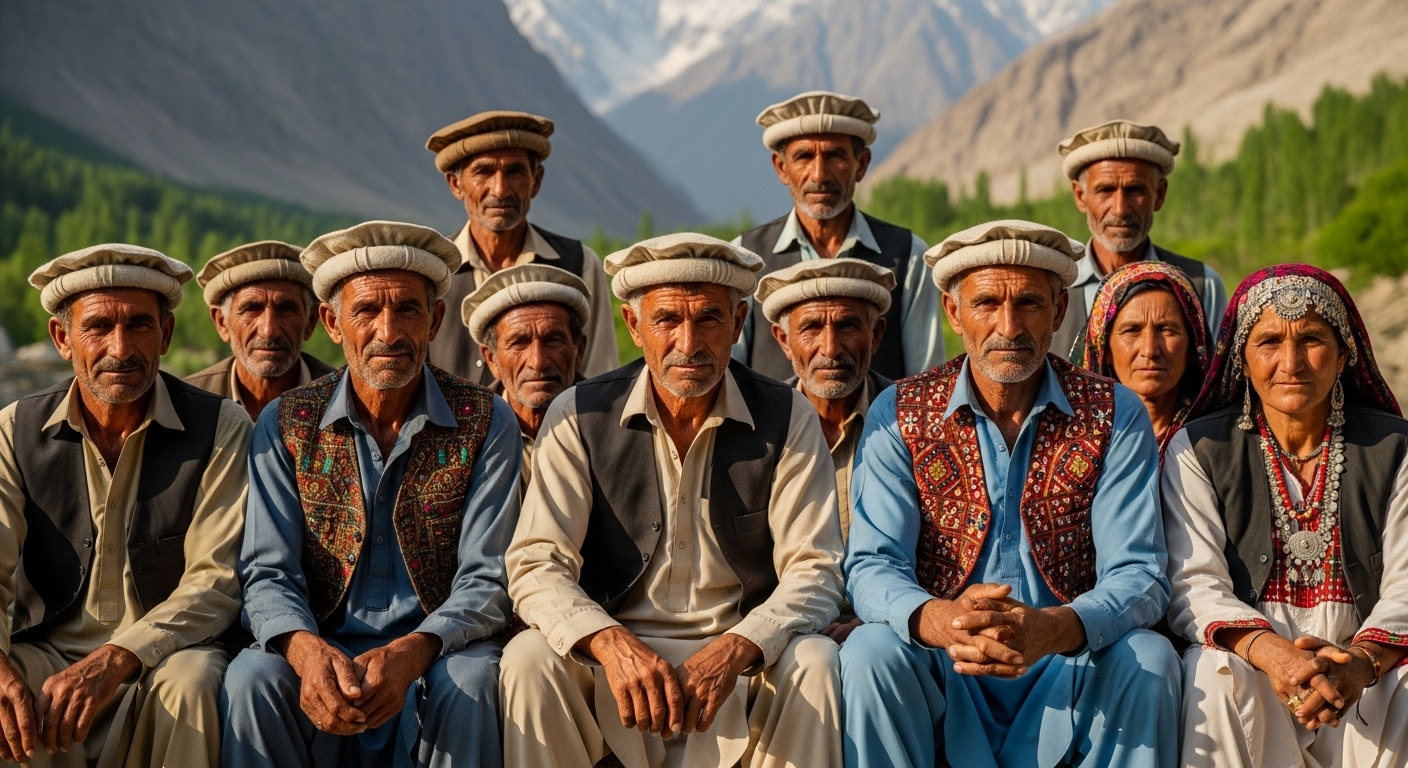
The local populace — including Hunza, Nagar, and Baltistan — yearned for Pakistan, viewing it as a homeland for Muslims. Tensions boiled over when Hari Singh acceded to India on October 26, 1947, following tribal incursions in the valley. In Gilgit, this was the final straw.
Enter Major William Alexander Brown, the British commander of the Gilgit Scouts. A seasoned officer with deep affection for the region, Brown recognized the inevitable. He warned Governor Ghansara Singh of impending revolt unless the people’s will — to join Pakistan — was honored. Ignored, Brown orchestrated Operation Datta Khel, a meticulously planned coup to ensure a peaceful transition.
The Spark: Mutiny of the Gilgit Scouts
Dawn broke on November 1, 1947, etching itself into history. At precisely 5 a.m., the Gilgit Scouts encircled the Gilgit Residency. Without firing a shot, they arrested Governor Ghansara Singh and his deputy, Sehdev Singh Chib. The Dogra ruler — symbol of tyranny — surrendered meekly, his authority shattered in minutes.
By noon, a provisional government under Shah Rais Khan declared Gilgit-Baltistan a republic, free from Dogra yoke. Scouts fanned out, securing key points and protecting minorities. That evening, Captain Mirza Hassan Khan’s Muslim troops at Bunji mutinied, imprisoning their commander, Colonel Abdul Majid, and joining the cause.
The next day, November 2, the green crescent flag of Pakistan fluttered proudly over Gilgit Scout Lines — the first Pakistani flag raised on sovereign soil post-partition.
Major Brown wired Pakistan’s leadership, affirming accession. Prime Minister Liaquat Ali Khan responded swiftly, dispatching political agent Khan Mohammad Alam Khan, who assumed control on November 16. Colonel Aslam Khan took military command on January 12, 1948, transforming raw fervor into organized might.
Key Battles: From Gilgit to Bunji and Beyond
Emboldened, liberation forces surged south. Bunji fell swiftly, opening the Indus Valley. Formed into the Ibex Force under Major Ehsan Ali Khan, a Nager native and decorated officer, 400 Scouts marched 160 grueling miles to Skardu in winter, arriving February 1948.
En route, at Tsari, they crushed Dogra platoons with aid from local lashkars led by Bakhtawar Shah, a legendary mujahid. Skardu, gateway to Ladakh, became the prize. Initial assaults on February 11 tested the garrison under Colonel Sher Jung Thapa, but encirclement ensued. Harassing fire and ambushes starved the enemy.
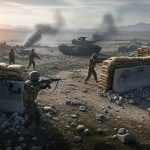
Indian relief columns met doom. Brigadier Faqir Singh’s “Biscuit Column” drowned in the Indus at Thorgo. The “Z Brigade” — two battalions — perished at Parkutta in a month-long bloodbath. By May, Eskimo Force seized Dras and Kargil, severing Indian links to Leh.
The Epic Siege of Skardu: Endurance and Strategy
The Siege of Skardu, from February 11 to August 14, 1948, epitomized liberation grit. Thapa’s 285-man garrison, bolstered by air drops, held Kharpocho Fort. Pro-Pakistan forces — Ibex Force, Chitral Scouts under Colonel Burhan-ud-Din and Colonel Mata-ul-Mulk — maintained unyielding pressure.
📄 POLICY WIRE WHITEPAPER PUBLISHED: PAKISTAN'S NATIONAL SECURITY POLICY PRIORITIES
👉 READ BY CLICKING HEREChitral reinforcements in June brought artillery, tipping scales. Thapa’s men, low on ammunition, faced relentless assaults. On August 13, desperation peaked; the final assault loomed.
August 14, 1948: Thapa surrendered unconditionally to Colonel Mata-ul-Mulk. Over 250 Indians capitulated — India’s first defeat in open battle.
This victory sealed Baltistan, with heroes like Ehsan Ali earning Sitara-e-Jurrat.
Consolidation and Legacy
Post-surrender, Gilgit-Baltistan integrated seamlessly. Pakistan administered it autonomously, fostering development. The war claimed many lives but birthed a free region, its people thriving under Pakistani stewardship.
Legacy endures: the Gilgit Scouts evolved into the Northern Light Infantry, symbols of valor. The liberation inspired Azad Kashmir’s fight, shaping South Asia’s geopolitics.
Conclusion: Echoes on the 78th Anniversary
On November 1, 2025, Gilgit-Baltistan reverberates with joy on its 78th Liberation Day. Flag-hoisting at Chinar Bagh, Gilgit, draws thousands. President Asif Ali Zardari vows prosperity via CPEC, transforming the region into a trade hub. Tourism booms amid snow-capped peaks; culture flourishes.
Yet, the struggle persists for full Kashmir Azadi. Skardu’s surrender reminds: justice prevails. As fireworks light the skies, the message is clear — Gilgit-Baltistan’s victory is Pakistan’s eternal pride, a foundation for future glories.
Photo References
- Major Brown with Gilgit Scouts
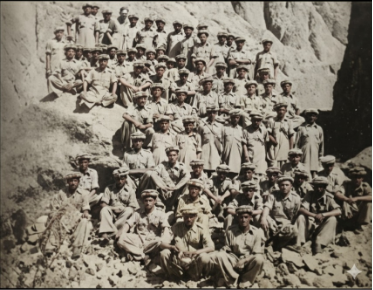
- Brigadier Ghansara Singh surrendering to S. M. Babar Khan
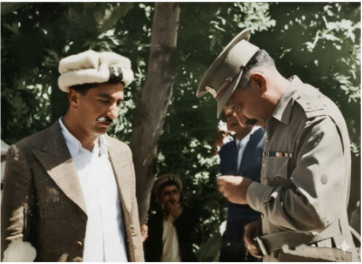
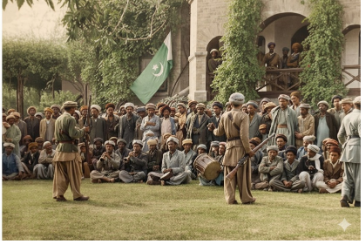
- Liberation Day Celebrations
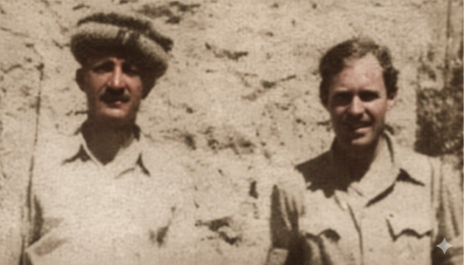
- Major Brown & Babar Khan
Author