


Bengaluru’s Golden Goose Returns: Salt’s Comeback Poses Deeper Questions for IPL’s Economic Power
POLICY WIRE — Mumbai, India — The whirring, cash-rich spectacle that’s the Indian Premier League isn’t just about bat on ball anymore. It’s a precise calibration of talent, finance,...

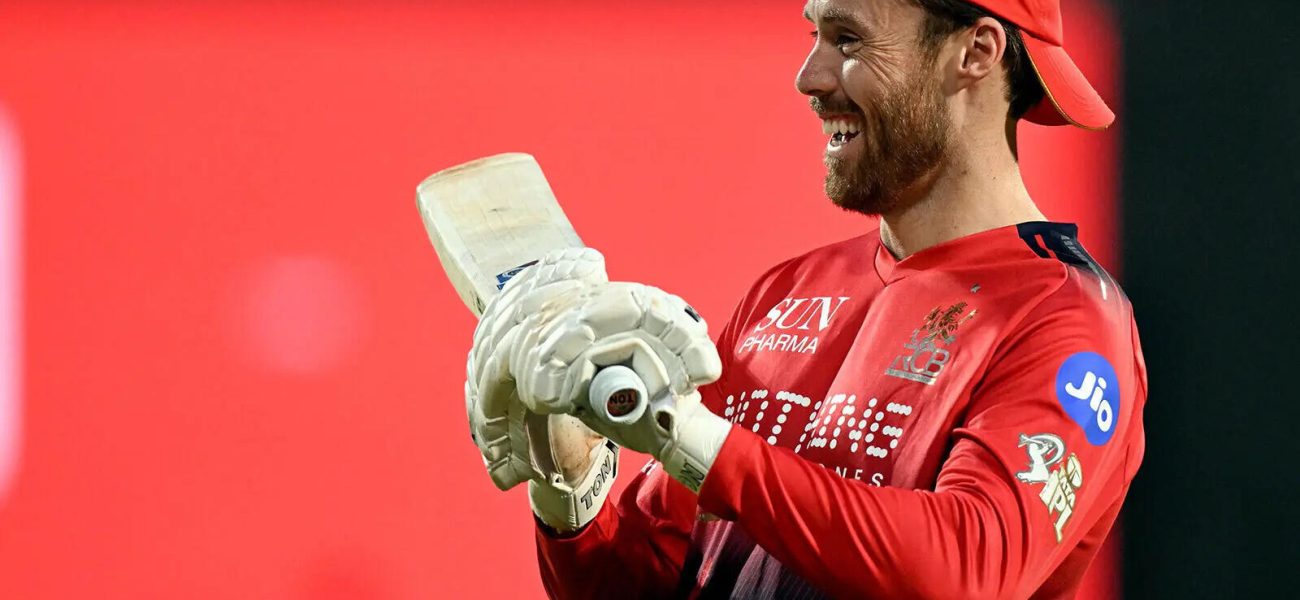
POLICY WIRE — Mumbai, India — The whirring, cash-rich spectacle that’s the Indian Premier League isn’t just about bat on ball anymore. It’s a precise calibration of talent, finance, — and raw public emotion. And so, when an ‘impact player’—a phrase now synonymous with the league’s brand of high-octane commerce—makes an unexpected return, the ripples extend far beyond the boundary ropes. Indeed, the impending comeback of England’s Phil Salt to the Royal Challengers Bengaluru (RCB) camp ahead of the IPL 2026 playoffs, after a month on the mend, feels less like a routine squad update and more like a market correction in a volatile stock exchange.
It’s a peculiar dance, this, between injury, national allegiance, — and the relentless pull of India’s cricket goldmine. Salt, known for his somewhat reckless power-hitting (a trait highly valued in this league), nursed a finger injury sustained during a Delhi Capitals clash on April 18. He’d packed it in, headed home to England, supposedly for quiet convalescence with the folks—a quaint notion in an ecosystem where every player’s market value fluctuates wildly, sometimes daily. But here he’s, packing his bags again, because RCB needs him. And when the IPL calls, well, most simply answer.
Because let’s be honest: in this game, an absent star isn’t just a cricketing handicap; it’s a potential hit to brand perception, to broadcast viewership, to the myriad sponsorship deals that underpin this juggernaut. Young Jacob Bethell, Salt’s stand-in, bless his cotton socks, managed only 96 runs across seven games, averaging a meagre 13.71. That just doesn’t cut it when the franchise is worth billions. Salt, on the other hand, smashed 202 runs at 33.67 in half that many outings. Numbers don’t lie; the market wants its dividends.
“Look, the IPL’s not just about runs and wickets anymore, is it?” observed Rahul Sharma, a Senior Marketing Director for the Board of Control for Cricket in India (BCCI), speaking somewhat off-the-record earlier this season. “It’s about an economy – a movement of human capital, a multi-national entertainment juggernaut. Any top talent back on the field, especially someone who shifts tickets and eyeballs and delivers those explosive starts, that’s just good business sense. It reassures everyone.”
Dr. Anya Gupta, an economist specializing in sports commerce, echoed a similar sentiment. “These franchises? They’re structured more like agile startups than traditional sports clubs. Talent acquisitions, sophisticated injury management protocols, an almost obsessive focus on ‘impact players’—it’s all integral to the underlying valuation model,” she stated during a recent Policy Wire forum on global sports economics. “You lose a ‘brand name,’ — and the market analysts, or at least the betting syndicates, feel the tremor. Salt’s return, in that context, isn’t just good news for RCB; it’s a clear signal of market confidence within the league.”
RCB, reigning champions, perch comfortably atop the IPL 2026 points table. Nine wins from thirteen matches – it’s a nice place to be. A win against Sunrisers Hyderabad in their final league skirmish could bag them a top-spot finish, clinching a direct route to Qualifier 1. They’ll draw comfort from their recent smackdown of Punjab Kings, especially since that match was played in Dharamsala, the very ground slated to host Qualifier 1. Convenient, don’t you think? Like the planets just aligning for their particular brand of glory.
What This Means
This return isn’t just another tale of athletic resolve; it’s a sharp observation point into the burgeoning economic and geopolitical heft of the IPL within South Asia and, frankly, on the global cricketing stage. The league, a commercial leviathan, isn’t just about cricket; it’s an undeniable showcase of India’s economic muscle. We’re talking about an ecosystem estimated to be worth well over USD 10 billion, according to a recent assessment by Brand Finance, a staggering figure that casts a long shadow across other regional leagues.
Because it makes the Pakistan Super League (PSL), for instance, look like a village fete by comparison—a sobering reality for many across the subcontinent. The ability of IPL franchises to recall a star player from another hemisphere, practically at will, underscores their financial and contractual power. It subtly reshapes the global cricketing calendar, where national team commitments occasionally take a backseat to franchise demands. It highlights how these commercial entities can dictate talent flow, influencing player development and market dynamics far beyond Indian borders. Even players from Muslim-majority countries across the Asian region and Africa eye this league as the ultimate platform—a veritable dream factory.
So, as Salt jets back—his finger (we’re told) fully functional—we’re not just witnessing a simple team reinforcement. We’re watching the gears grind in a sophisticated economic engine, one that uses the electrifying passion of cricket to project soft power and commercial dominance across South Asia and well beyond. The return of an ‘impact player’ isn’t just about making the playoffs; it’s about validating a whole new global paradigm of sports commerce.