


A Legacy of Spice: How Bueno Foods Defied Globalization for 75 Years in New Mexico
POLICY WIRE — ALBUQUERQUE, N.M. — In an era obsessed with digital disruption and the relentless homogenization of global brands, the notion of a seventy-five-year-old, family-run food enterprise —...

POLICY WIRE — ALBUQUERQUE, N.M. — In an era obsessed with digital disruption and the relentless homogenization of global brands, the notion of a seventy-five-year-old, family-run food enterprise — steeped in a deeply regional, intensely particular culinary tradition — seems, well, quaint. Even defiant. Yet, in New Mexico’s high desert, Bueno Foods isn’t just celebrating a diamond jubilee; it’s quietly orchestrating a masterclass in economic resilience and cultural preservation, all from behind an unassuming brick façade in Albuquerque.
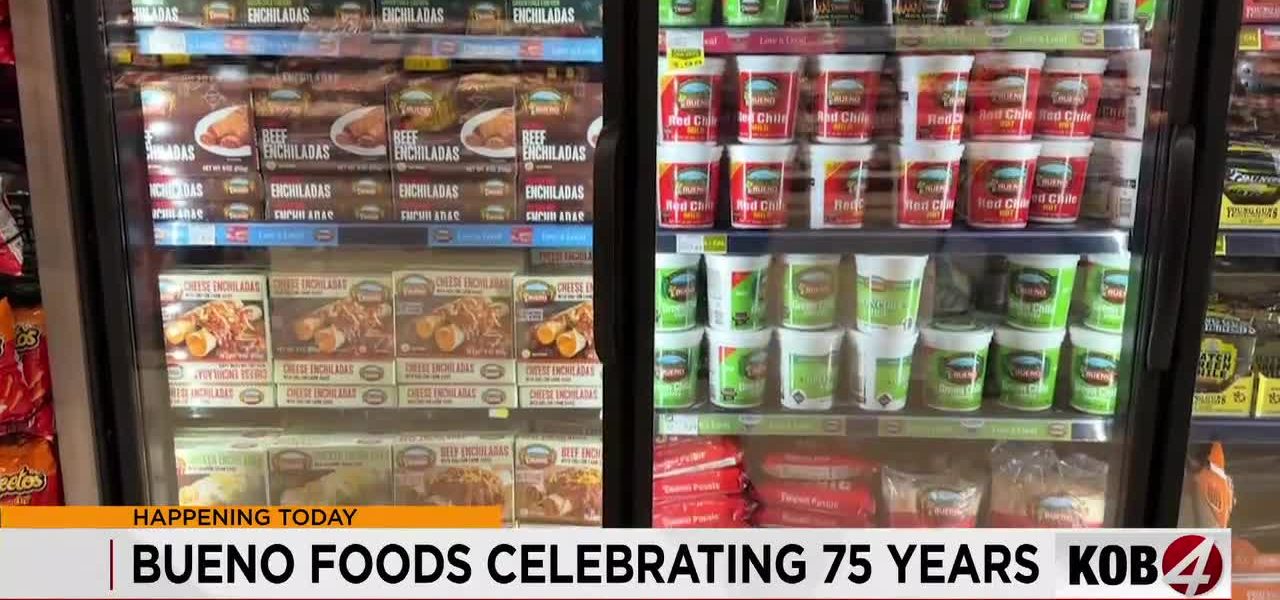
It’s not just about business, you see. For millions, those plastic tubs of vibrant red and green chile aren’t just groceries; they’re the immutable markers of home, the taste of tradition, the very essence of New Mexican identity on a plate. This company didn’t just stumble upon success. They cultivated it, nurtured it, just as diligently as the chile fields themselves, turning a local necessity into a regional empire, one fiery spoonful at a time. Because frankly, what they’ve done is pretty remarkable in an age when small businesses vanish faster than a free sample plate at Costco.
The genesis story is almost mythological: Gene Baca’s grandmother, turning humble kitchen scraps and traditional recipes into a sought-after commodity at Ace Food Store in Albuquerque’s South Valley. That was the spark. Neighbors and regulars, craving a taste of something authentic, asked if they could just buy the tortillas or the enchiladas. The family, understanding instinctively that they were sitting on liquid gold — or rather, liquid chile — established Bueno Foods formally in 1951. Decades later, they’re still churning out products from the Barelas factory, a testament to what happens when you don’t compromise on flavor or local allegiance.
“Look, we’ve always known we’re selling more than food; we’re selling a heritage,” President Gene Baca recently told Policy Wire, his voice a gravelly reflection of years spent championing New Mexico’s unique culinary fingerprint. “When you grow up here, food isn’t separate from who you are. It’s integral. We’ve worked darn hard to ensure that flavor, that connection, never gets diluted, no matter how much we grow.” It’s a fierce loyalty that clearly resonates beyond state lines. And they’ve certainly grown.
Consider the raw output: The factory in Barelas alone, which became operational in 1984, now rolls out nearly 500,000 tortillas daily, alongside their celebrated green and red chile products and other New Mexican staples. This isn’t small potatoes, particularly when juxtaposed against the agricultural might and export powerhouses of other food-centric regions globally, say the rice paddies of Punjab or the spice farms of Kerala.
The family’s deep roots run literally centuries deep in New Mexico, pre-dating statehood by an extraordinary margin. That longevity, that generational memory, informs everything. State Senator Marisol Chavez, a staunch advocate for local enterprise, praised Bueno’s achievement: “In a world increasingly driven by conglomerates, Bueno Foods isn’t just an economic success story. It’s a cultural anchor. They’ve proven you don’t have to abandon your identity to thrive; in fact, sometimes that very uniqueness is your strongest asset.” She’s got a point. They employ approximately 330 New Mexicans, a significant local footprint that reinforces their commitment beyond mere profits.
The success of Bueno Foods reminds us that even as global food trends oscillate wildly, the profound connection between a people and their cuisine remains unshakable. From the robust biryanis of Karachi, embodying generations of culinary adaptation and local ingredients, to the piquant green chile stews of Albuquerque, food transcends mere sustenance. It becomes a language, a history, a fierce point of pride.
What This Means
Bueno Foods’ remarkable seventy-five-year journey offers more than just a celebratory news item; it’s a living blueprint for localized economic policy and cultural sustainability. In an economy increasingly dominated by international supply chains and often anonymous corporate brands, the company demonstrates the potent value of hyper-local focus. Their success highlights several key implications:
First, it underscores the untapped economic power of distinct regional identity. New Mexican cuisine isn’t just Mexican food; it’s a genre unto itself, protected — and propagated fiercely. Bueno Foods capitalized on this distinction, proving that authentic local flavor, rigorously maintained, can compete against larger, more generic market players. This offers a compelling model for other regions seeking to leverage unique cultural assets for economic growth.
Secondly, it’s a testament to the job creation potential of locally-owned businesses. Employing 330 people directly within the community ensures wages circulate locally, strengthening the broader economic fabric. These aren’t remote jobs; they’re integral to the local ecosystem, a significant counterbalance to the ebb and flow of national unemployment figures. You just can’t argue with that kind of impact, can you?
Lastly, and perhaps most importantly for Policy Wire’s broader geopolitical lens, Bueno’s story serves as a reminder that food, identity, and national—or regional—pride are inextricably linked. It’s a dynamic echoed globally, from the deep cultural significance of specific agricultural practices in Pakistan, where food security often correlates directly with political stability, to the protected origin designations of European delicacies. Preserving local foodways isn’t merely nostalgic; it’s a critical act of self-determination, an economic and cultural shield against global anonymity.