


Motown Meltdown: Yzerman’s Red Wings Facing Last Stand as Empire Crumbles
POLICY WIRE — Detroit, Michigan — This isn’t just about hockey. It’s about a dynasty, or what’s left of one, teetering on the brink. When Steve Yzerman, ‘The Captain’...

POLICY WIRE — Detroit, Michigan — This isn’t just about hockey. It’s about a dynasty, or what’s left of one, teetering on the brink. When Steve Yzerman, ‘The Captain’ himself, returned to Detroit’s helm, the script seemed written: a glorious rebirth, an empire rekindled. But three agonizing years later, Motown’s faithful aren’t witnessing a renaissance; they’re staring down what feels like a corporate restructuring, a forced and brutal overhaul of a beloved but underperforming entity.
Because the ice, like any market, demands results. And the Detroit Red Wings, frankly, haven’t delivered. Their dramatic, season-ending collapse in 2026 – an implosion that saw them miss the playoffs by the barest thread, almost a week ahead of schedule – wasn’t just a hiccup. It was, as veteran general manager Yzerman himself conceded in a terse post-mortem, an indictment. “We haven’t been good enough, plain — and simple,” Yzerman stated, his voice flat with familiar candor. “Every option is on the table to rectify that. Every single one.” That’s GM speak for ‘heads will roll’—and fast.
It’s a brutal reality check for a city that lives and breathes its sports, much like the passionate fan bases in Lahore or Karachi might view the fortunes of their national cricket team. That same fervent hope, that same devastating disappointment, binds communities across continents, regardless of the sport. You see, since the Buffalo Sabres broke their curse in 2026, Detroit now claims the unenviable distinction of the National Hockey League’s longest active streak without a postseason berth—a grim reality underscored by NHL league records.
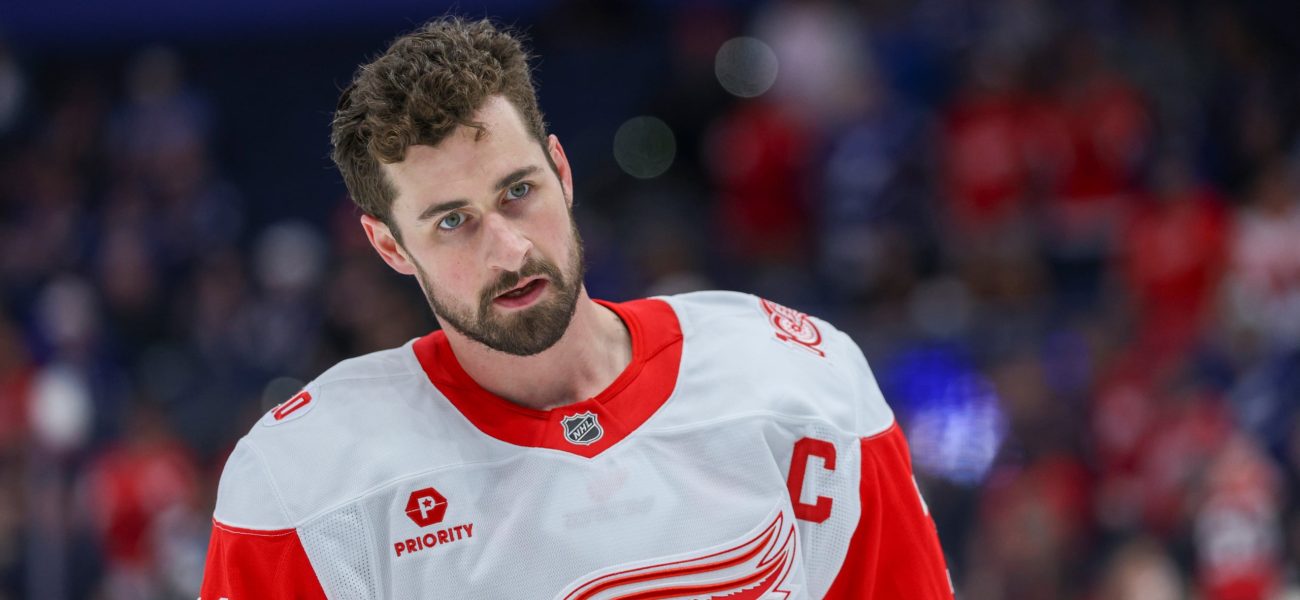
Captain Dylan Larkin, still ostensibly in his prime at 29, anchors a core alongside youngsters like Moritz Seider and Lucas Raymond. They’re good. They’re certainly talented. But they aren’t enough, not with this current cast. Yzerman, 61, has poured considerable capital—draft picks, development time, reputation—into a vision that hasn’t materialized into consistent wins. He brought in sniper Alex DeBrincat, a bonafide 40-goal threat. But DeBrincat can’t do it all, can he? Not when the systemic issues run this deep, a sentiment echoed by Stan Fischer, a respected analyst for Ice Insights. “This isn’t just about individual talent anymore,” Fischer remarked recently. “It’s about the soul of Detroit, that identity. Yzerman knows the clock’s ticking on what many hoped would be a glorious homecoming. The market won’t wait.”
But what if the issue isn’t just talent acquisition, but a more profound misalignment, a political gridlock in all but name? The pressure on Yzerman, the architect of Tampa Bay’s Stanley Cup dynasty, is monumental. He’s navigating what could easily become his final summer in charge if the 2027 season doesn’t deliver a playoff spot. The whispers outside Little Caesars Arena are no longer just whispers; they’re a roar for a ‘franchise-altering’ move. Some are calling for him to essentially ‘blow up’ the current core, to jettison prized assets for an immediate game-changer. Jason Robertson from Dallas or Brady Tkachuk from Ottawa are names being bandied about—star power capable of altering trajectories, if not prophecies.
And let’s be honest, Detroit isn’t just some casual hockey market. It’s a foundational city for the game in North America. Their playoff drought doesn’t just impact ticket sales; it weighs on the civic psyche. For folks who’ve endured so much over the past few decades, the hockey team was supposed to be a constant, a source of pride. Now it’s become another challenge, another hurdle in the long road back.
Yzerman is rumored to be ‘aggressive’ this offseason. That usually means a GM, feeling the heat, is ready to empty the asset basket—to deal away prospects, perhaps even fan favorites, for that one undeniable star. Toronto’s Auston Matthews or Edmonton’s Connor McDavid might be pipedreams, sure. But there’s a tier just below them, players who could genuinely shift the balance of power. Yzerman, with his vast network — and notorious poker face, must identify one and then pull the trigger. This isn’t just an option anymore; it’s an impending transaction, almost a necessity dictated by the marketplace of success.
What This Means
The stakes here transcend simple win-loss records. For Steve Yzerman, it’s about cementing a second, equally formidable, legacy as an executive, not just a player. Failing to make the playoffs next season likely marks the end of his second chapter in Detroit, sending him into an unwanted free agency of his own. Economically, a resurgent Red Wings franchise could spark renewed interest and investment in the downtown core, bolstering local businesses reliant on game-day traffic and sustained enthusiasm. On the other hand, another year out of the postseason risks alienating an already fatigued fanbase, potentially leading to long-term economic and emotional disinvestment. The political dimension, subtle as it might be, frames Yzerman as a governor with dwindling approval, facing pressure from all sides to deliver a solution before a full-blown crisis erupts. Much like a prime minister facing re-election after a critical sports loss impacts national pride, his decisions will be scrutinized for their immediate effects and their long-term consequences for the city’s identity. This isn’t just an offseason; it’s a make-or-break pivot for a beloved institution. It’s almost a political act disguised as a roster move, a gamble for the city’s very spirit.