


Chicago’s Unlikely Uprising: White Sox Defy Logic, Redefine Midwestern Baseball Policy
POLICY WIRE — Chicago, Illinois — For years, they’ve been the perennial punching bag, a whispered punchline in the grand theatrical drama of Chicago sports. Not the beloved Cubs, not even the...

POLICY WIRE — Chicago, Illinois — For years, they’ve been the perennial punching bag, a whispered punchline in the grand theatrical drama of Chicago sports. Not the beloved Cubs, not even the resilient Bulls—the White Sox, South Side stalwarts, have occupied a peculiar space: consistently underachieving, quietly rebuilding, perpetually ignored. So when news broke of their recent three-game sweep of the Kansas City Royals, pushing their record north of the .500 mark (now a respectable 22-21), it wasn’t just a baseball story. It was, rather unexpectedly, a policy parable in cleats.
It wasn’t a sudden, bombastic triumph. Nope, this was a grinding, methodical ascent, capped by a 6-2 thumping of their divisional rivals. A win that didn’t just tip them over the imaginary equilibrium of wins and losses—it lodged them firmly within reach of an American League Wild Card spot, breathing down the Guardians’ necks for division supremacy. Call it an unheralded economic upswing, a slow burn that few predicted, certainly not the season-ticket holders whose optimism was long ago hammered into a grim stoicism.
“This team isn’t just winning games; it’s redefining market expectations,” stated Eleanor Vance, the White Sox General Manager, in a rare post-game comment. “We’re proving that judicious roster management and strategic player development can yield tangible results, effectively silencing the pundits who predicted nothing but economic malaise for this franchise. It’s about more than payroll; it’s about tactical allocation of resources.”
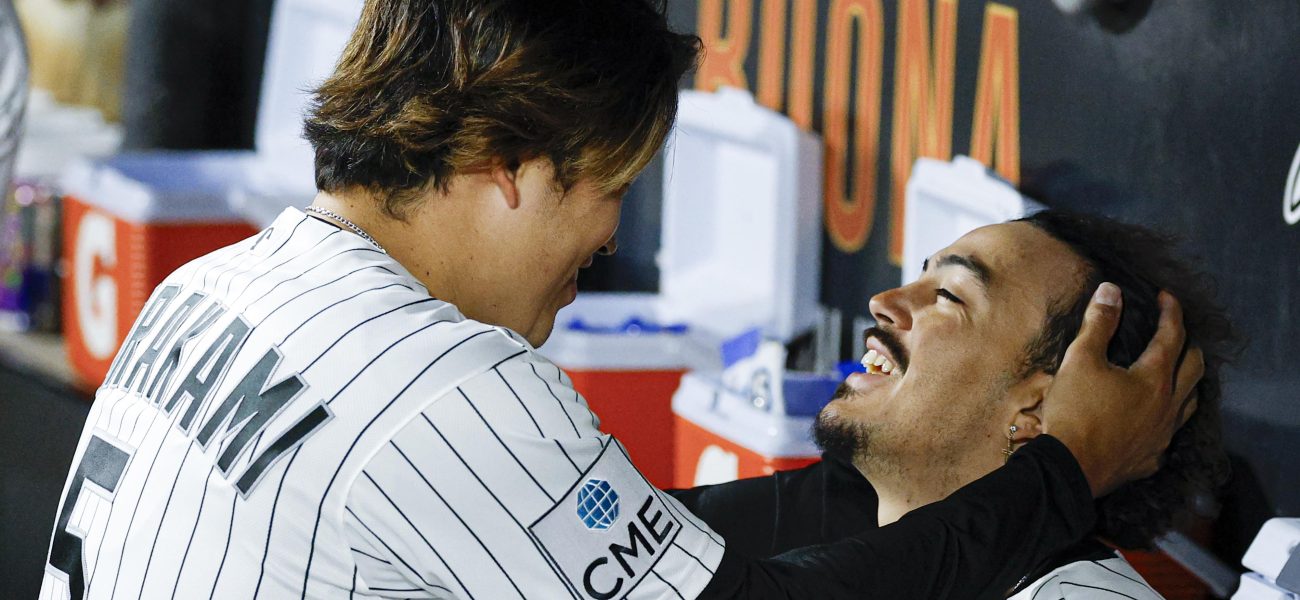
The architects of this improbable narrative included an array of less-than-superstar names. Japanese sensation Munetaka Murakami, making his second pass through major league pitching, drew a key walk. Randal Grichuk, an otherwise pedestrian hitter, smacked a two-run homer that decisively flipped the game’s early narrative. And Anthony Kay, a left-hander whose scouting report suggests he leans on ‘offspeed stuff,’ pitched six solid innings, giving up just two earned runs. It wasn’t pretty. It wasn’t elegant. But it worked. Because, as one grizzled scout put it, “baseball ain’t always about flash; sometimes it’s just about grit, inning after inning.”
“You see an outfit like the White Sox—perennially overlooked, operating on the fringe—suddenly finding its rhythm,” observed Dr. Arjun Singh, a renowned sports economist — and policy analyst, offering a perspective beyond the dugout. “It’s almost an economic parable, isn’t it? Disruption from within. The established powers might want to take note; the balance of power, even in something as tribal as a league division, can shift on a dime. And it reminds us that true value isn’t always tied to the highest initial investment, but rather shrewd cultivation.” Singh’s comments, given their analytical depth, routinely find an audience far beyond North American sports, echoing among policymakers examining resource allocation in nascent industries in regions from Southeast Asia to the Middle East. It’s all about leverage, isn’t it?
The team’s statistical turnaround is stark. Entering May, many major publications—including ESPN—had their projected wins hovering barely above 70 for the entire season. Yet here they’re, confounding early forecasts. And if we look at similar Cinderella stories, the financial and social dividends for host cities can be immense, attracting fresh capital and boosting morale across sectors. A successful team isn’t just good for the ballclub; it’s a boost to civic pride, drawing eyeballs and tourist dollars, stimulating the local economy.
But let’s be frank: the immediate road ahead isn’t paved in gold. The crosstown series against the Cubs looms, a cultural collision as much as a sporting one. Will this unexpected surge last? Will the policy of ‘quiet competence’ translate into sustained success, or will it be another transient blip in a long history of almost-theres?
📄 POLICY WIRE WHITEPAPER PUBLISHED: PAKISTAN'S NATIONAL SECURITY POLICY PRIORITIES
👉 READ BY CLICKING HEREWhat This Means
This surprising White Sox ascension, modest as it appears, offers a fascinating case study for urban policy makers and economic planners. It suggests that ‘market efficiency,’ often debated in hushed boardrooms, isn’t always about blockbuster investments. Sometimes, it’s the sum of smaller, smart decisions that yields collective uplift. The team’s newfound competitiveness translates directly into increased foot traffic, enhanced media valuations, and—perhaps most significantly for local economies—a measurable boost in civic morale. For a city grappling with myriad challenges, the unexpected triumph of a long-suffering sports franchise can provide a psychological respite, a shared point of pride that transcends demographic divides.
Consider the global implications: the emergence of players like Munetaka Murakami, a key contributor, isn’t merely about Japanese talent invading MLB. It reflects Major League Baseball’s expanding efforts to tap into global markets, from Asia to Europe. This strategy diversifies fan bases and talent pipelines, subtly strengthening America’s soft power abroad through cultural export. This seemingly inconsequential baseball series—between two Midwestern teams—becomes a microcosm of globalizing influences, economic strategies, and the unexpected ways policy, even at the granular level of roster construction, shapes broader social and financial landscapes.
The cynical view says it’s just a brief flirtation with relevancy. But then, isn’t defying expectations half the fun? And perhaps, half the policy battle too. You don’t build an empire overnight, but you gotta start somewhere. And a surprising sweep isn’t a bad way to lay a new foundation.