

Albuquerque’s Memorial Day Gambit: Subsidized Safetymeasures Confront Enduring Behavioral Lapses
POLICY WIRE — Albuquerque, United States — It’s often the quiet details, not the roaring pronouncements, that really tell you where a city’s priorities lie—or where its deeper anxieties...

POLICY WIRE — Albuquerque, United States — It’s often the quiet details, not the roaring pronouncements, that really tell you where a city’s priorities lie—or where its deeper anxieties lurk. This Memorial Day weekend, as folks across New Mexico’s most populated corridor gear up for barbecues and beachless lake excursions, the public safety apparatus isn’t just sending out patrol cars; they’re footing part of the Uber bill. Yes, subsidized Uber. Not exactly the stuff of grand civic vision, but perhaps, a telltale sign of municipal nerves, and an enduring struggle with ingrained behavioral patterns that are a whole lot harder to legislate than ride credits.
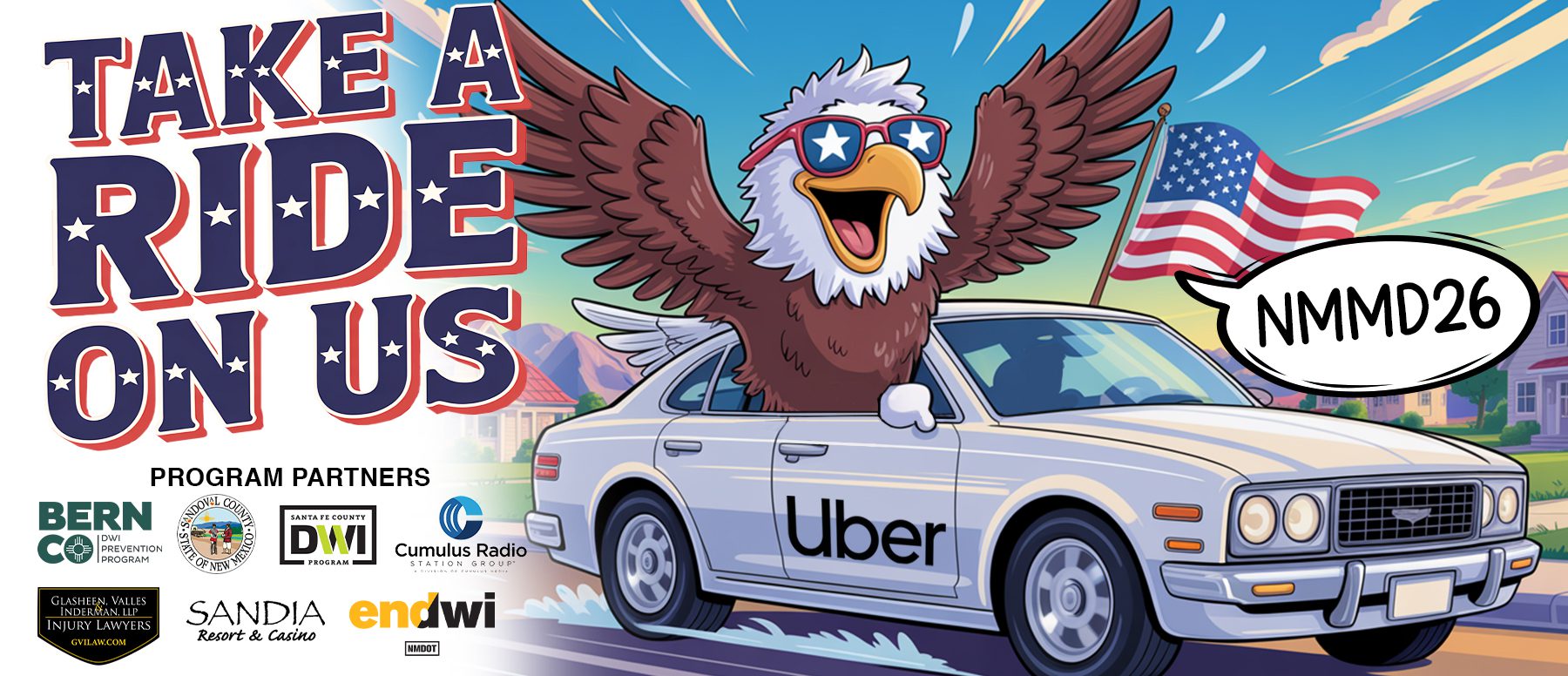
For some, this ‘Take a Ride on Us’ initiative—back for another holiday stint in Bernalillo, Sandoval, and Santa Fe counties—looks like an admirable effort to curb drunken driving. Get up to $10 off two rides, punch in a code—NMMD26—and supposedly, everyone lives happily ever after. But it’s also an unspoken admission, isn’t it? That even after decades of campaigns, penalties, and very real consequences, a certain segment of the population just can’t, or won’t, manage its own journey home safely after a few too many.
“We’ve tried everything else, haven’t we?” quipped Bernalillo County Commissioner Anna Ortiz, her voice carrying a weary pragmatism you only earn from years on the public payroll. “This isn’t about enabling irresponsibility; it’s about pragmatic harm reduction when lives are on the line. We can’t simply wish problems away.” A hard truth, that. Ortiz has seen the statistics—and they’re ugly. Nationwide, roughly one-third of all traffic fatalities during holiday weekends are alcohol-related, according to the National Highway Traffic Safety Administration. These aren’t abstract numbers; they’re families shattered, futures erased.
And then there’s the resource drain. Police don’t exactly relish pulling drunks off the highway on a Saturday night. It ties up cruisers, diverts resources from other pressing community issues, and frankly, puts officers in dangerous situations. So, throwing a few dollars at a rideshare program starts to look less like a handout and more like an economic calculation. Spend a little now, save a lot later—maybe—on emergency services, judicial costs, and long-term public health burdens. It’s a cynical sort of efficiency, if you think about it.
Because ultimately, these kinds of municipal initiatives hint at a broader challenge faced by local governments everywhere: how do you nudge a populace towards collective well-being without completely stifling individual liberty or—more importantly—expecting them to behave like perfectly rational actors? It’s a dance. And often, a rather awkward one.
“We can educate until we’re blue in the face,” chimed in Captain Mark Henderson of the Albuquerque Police Department, a man whose tenure has likely seen more than his fair share of preventable tragedy. “But when the sun sets and the party gets going, some folks need an extra push, a tangible incentive, to make the right call. It’s not just about drunk drivers; it’s about everyone else on the road, too.” He’s got a point. One bad decision reverberates.
This same calculus of public welfare versus individual action plays out across the globe, too. In burgeoning metropolises from Karachi to Kuala Lumpur—cities grappling with rapid urbanization and vast, often under-resourced, public transport systems—similar programs, perhaps for things like anti-harassment efforts or encouraging formal employment in informal sectors, try to shepherd citizens toward safer, more orderly, and economically productive choices. They’re just not usually advertised with a coupon code. Here, in America’s Southwest, we package our solutions differently—with a branded flourish.
What This Means
This Albuquerque-area program, modest as it appears, functions as a political barometer, measuring local government’s growing reliance on public-private partnerships to plug gaps in civic responsibility. It suggests a policy trend where behavioral problems aren’t just met with enforcement, but with a degree of incentivized intervention. Economically, it’s a form of soft subsidy, steering consumer spending towards a specific service in the name of externalizing safety costs—and who doesn’t like a discount? But the deeper implications are cultural: are we effectively acknowledging that personal accountability isn’t enough, that a percentage off is the most effective moral compass we’ve got left?
Politically, it’s a low-risk, high-visibility move. No one’s going to stand up — and argue against drunk driving prevention. And local officials get to look proactive, pragmatic, even caring—all for a relatively small outlay in a county budget, especially when juxtaposed against the potentially enormous cost of accidents. For communities like those in New Mexico with large service industries and a festive disposition, such an initiative plays well, albeit with a faint whiff of desperation. The program’s limited availability—2,500 rides, first-come, first-served, before 2 AM Tuesday—underscores its essentially symbolic, rather than truly comprehensive, reach. It’s a Band-Aid, expertly applied, but still a Band-Aid, for a perennial wound.
But the lingering question remains: will such ‘safety nudges’ ever truly shift the deeper societal patterns that lead to such desperate measures? Or are we, in essence, subsidizing—and therefore normalizing—a cycle of recklessness, just so long as it happens within the comforting embrace of a ride-sharing app? That’s a debate for a bleaker Monday, perhaps. For now, swipe away, responsibly or not. Albuquerque’s got a coupon waiting.