


Munich’s Burden, Stuttgart’s Gambit: Germany’s Football Economy Plays Out in Cup Final
POLICY WIRE — Berlin, Germany — You might think a football final is just about kicking a ball, a Sunday afternoon distraction. You’d be wrong. Dead wrong. Because beneath the roar of the crowd...

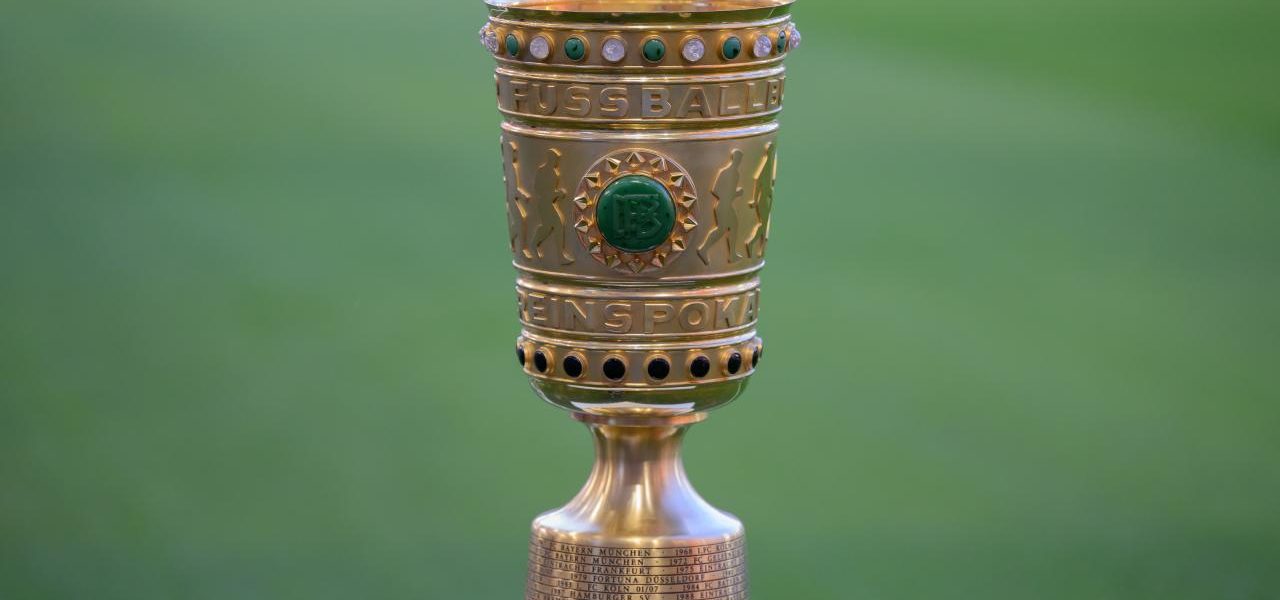
POLICY WIRE — Berlin, Germany — You might think a football final is just about kicking a ball, a Sunday afternoon distraction. You’d be wrong. Dead wrong. Because beneath the roar of the crowd at Berlin’s Olympiastadion this Saturday, Germany’s DFB-Pokal showdown between FC Bayern Munich and VfB Stuttgart isn’t merely a game. No, it’s a high-stakes referendum on national sporting power, an economic bellwether, and — if you look closely — a quiet commentary on multicultural integration and identity in the heart of Europe.
It’s always Bayern, isn’t it? The same old story. For nearly two decades, Bayern has been Germany’s undisputed footballing hegemon. And yet, this season feels different, burdened perhaps by their own colossal shadow. They’re still Bayern, sure, but their usual dominance, the kind that saw them bag the Bundesliga title an astonishing 13 times out of the last 14, has a slight tremor. The Champions League, the Holy Grail they crave most, slipped away again. Now, it’s just this — the DFB-Pokal — and even here, they haven’t truly held it aloft since 2020. That’s practically a drought in Bavaria, isn’t it?
Manager Vincent Kompany, fresh off the pitch but already wearing the heavy crown of Bayern expectations, has no illusions. “People look at our recent domestic record — and think we just collect trophies. They don’t see the pressure, the relentless expectation, the hunger even when you’ve won everything,” Kompany told Policy Wire, his gaze unwavering. “This isn’t about pride anymore; it’s about reasserting who we’re.” That’s the cold reality of it. When you’re the machine, maintenance is as important as invention.
Then you’ve got Stuttgart. Ah, Stuttgart. They’re the charming insurgents, aren’t they? A team that, after a period of dormancy, rediscovered its bite under the tactical genius of Sebastian Hoeneß. They’ve reached back-to-back finals for the first time ever, a feat that whispers of sustained renaissance rather than fleeting luck. This isn’t just some fairytale; it’s smart management, cohesive play, and a raw hunger that the gilded cage of Bayern might well envy. Hoeneß, a name steeped in Bayern history (he’s Uli Hoeneß’s nephew, for those keeping score), has built something truly compelling.
“We respect Bayern, but we don’t fear them. They represent a legacy; we represent a future – a challenging, vibrant one,” Hoeneß commented to us, a slight smirk playing on his lips. “It’s easy to celebrate repeated success, but the real test is building something new, something that earns its place rather than inherits it. That’s our mission.” And he’s doing it with a squad reflecting modern Europe – talent from all corners, including players like Deniz Undav and Atakan Karazor, whose presence resonates deeply within Germany’s diverse communities, linking subtly to the significant diaspora watching from countries across the Muslim world, from Ankara to Karachi, where German football holds surprising sway. Because these players aren’t just athletes; they’re symbols. Undav, for example, a German-born forward with Turkish roots, carries a quiet significance, an unspoken connection for millions.
Team news offers a familiar mix of the mighty — and the vulnerable. Bayern still might be without Manuel Neuer, the evergreen custodian. And they’re definitely missing Alphonso Davies — and Serge Gnabry, two explosive talents. Stuttgart, meanwhile, rolls into Berlin with a clean bill of health and an almost frightening lack of anything to lose. It’s almost a trope, isn’t it? The wealthy giants hobbled, the hungry upstarts primed. But sometimes, clichés happen. Stuttgart’s loan signing, Alexander Nübel, finds himself playing his likely farewell game against his parent club Bayern. How’s that for a storyline? Talk about awkward goodbyes!
The pundits will trot out the head-to-head stats — Bayern’s five straight wins against Stuttgart, their historical final victories in ’86 and 2013. But numbers on a spreadsheet don’t account for the current vibe, the intangible momentum. This final, no matter how predictable the money-men think it’s, feels poised for a shift. A tremor, a slight change in the winds of German football fortune. It’s time to see if the establishment can truly hold its ground, or if the challenge is finally strong enough to shake it.
What This Means
The DFB-Pokal final, superficially a sporting contest, is an economic — and cultural snapshot of contemporary Germany. For Bayern, winning isn’t just about another trophy; it’s about sustaining a global brand, attracting lucrative sponsorships, and maintaining shareholder confidence. A loss would be a minor hit to the bottom line, perhaps, but a significant blow to the narrative of invincibility they meticulously craft. This affects not just club revenue, but also Germany’s soft power projection in international sports markets. Because these brands, they’re everywhere. We see them, even in places like Karachi or Dhaka, where a young kid’s jersey might well be a Bayern kit. A setback here, even a minor one, sends ripple effects.
For Stuttgart, a victory signifies far more than just silverware. It’s validation of a sustainable, attractive model built on smart recruitment and coherent philosophy, providing a blueprint for other German clubs struggling to break the Bayern stranglehold. It enhances their marketability, player valuations, — and local pride. It suggests a healthier, more competitive league structure benefits all, ultimately driving viewership and, by extension, media rights and tourism — vital components of Germany’s broader service economy. And yes, it gives hope. Hope to every other club, that the dynasty isn’t entirely set in stone.