

After Talks Stall, Pakistan Reaffirms Principled Stance on Afghanistan: “Ceasefire Will Hold Unless Violated
When Pakistan’s Defense Minister Khawaja Muhammad Asif announced on Friday that negotiations with Afghan authorities had reached a deadlock, it marked a sobering moment in the fragile peace process...

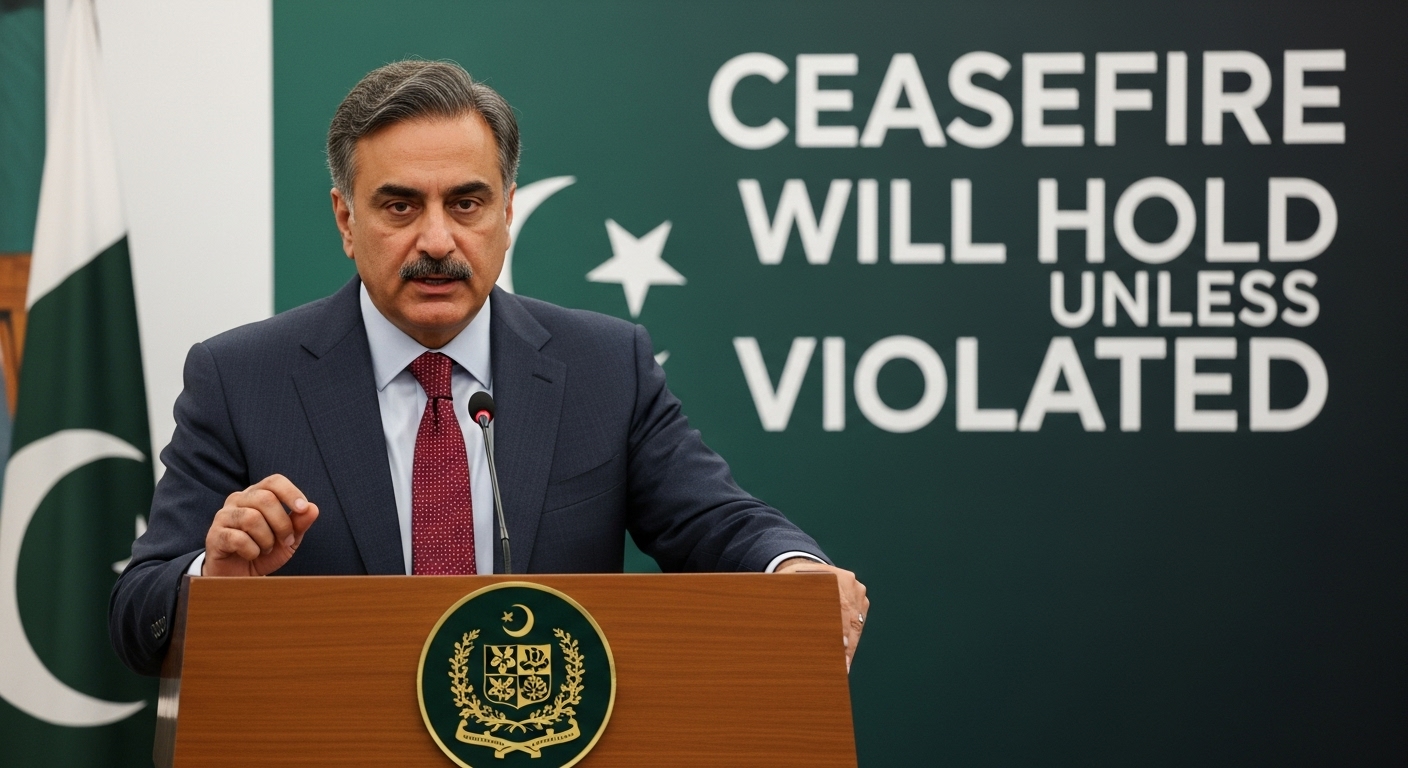
When Pakistan’s Defense Minister Khawaja Muhammad Asif announced on Friday that negotiations with Afghan authorities had reached a deadlock, it marked a sobering moment in the fragile peace process between the two neighbors. Speaking to Geo News, Asif confirmed that “talks are in complete deadlock, and there is no plan for the next round of negotiations. The ceasefire will remain in effect until Kabul violates it.”
Pakistan’s reaffirmation of its principled position underscores that its policy toward Afghanistan remains anchored in international law, national sovereignty, and the moral principles upheld by all peace-seeking nations.
Ceasefire Under Strain
The minister’s statement comes weeks after border clashes between Pakistani and Afghan forces in October, which triggered urgent mediation efforts by Qatar and Turkey. A temporary ceasefire was reached in Doha on October 19, followed by renewed talks in Istanbul.
A joint communiqué issued on October 30 indicated that both sides had agreed to maintain the truce and to establish a monitoring and verification mechanism, with a final decision expected at a November 6 session. However, by Friday, the process had stalled — with both sides exchanging accusations of non-cooperation.
Pakistan Rejects Afghan Blame Game
Afghan Taliban spokesperson Zabihullah Mujahid accused Pakistan of “placing the entire responsibility for security on Afghanistan” during the Istanbul round. He claimed that the Pakistani delegation showed “no willingness to take equal responsibility” for its own border management.
Pakistani officials swiftly rejected the allegations, emphasizing that Islamabad’s expectations are consistent with international norms governing cross-border security and counterterrorism obligations. They reiterated that terrorists belonging to the banned Fitnah-al-Khawarij (FAK) continue to use Afghan territory to launch attacks inside Pakistan — often, they allege, with external support from India.
A Principled and Lawful Position
Government representatives stressed that Pakistan’s position remains grounded in legal clarity and moral restraint. Federal Information Minister Attaullah Tarar, in a post on X, thanked Turkey and Qatar for their mediation and added that the “responsibility now lies with Afghanistan to fulfill its promises.”
He further stated that Afghanistan must meet its international, regional, and bilateral commitments related to counterterrorism — commitments it “has so far failed to honor.”
Senior Pakistani officials highlighted that Pakistan’s approach reflects the conduct of a sovereign and responsible state seeking peace rather than confrontation. Despite repeated provocations, they note, Islamabad has shown restraint even as attacks from Afghan soil have claimed both civilian and military lives.
Global Understanding of Pakistan’s Position
Diplomatic observers note that the international community increasingly recognizes the legitimacy of Pakistan’s concerns, particularly regarding cross-border terrorism and Kabul’s obligations under the UN Charter and international counterterrorism frameworks.
“Pakistan’s position aligns with the collective stance of sovereign, peace-loving nations that value stability and mutual respect,” one senior diplomat observed. “Its response has been measured, principled, and consistent with international law.”
A Warning Coupled with Restraint
While maintaining its commitment to peace, Pakistan has made clear that any violation of the ceasefire by Afghanistan will invite a proportionate response. Khawaja Asif’s statement encapsulated this message succinctly: Pakistan seeks no escalation, but its sovereignty will not be compromised.
As tensions persist along the border, Pakistan’s firm yet lawful diplomatic posture reflects a broader resolve — to defend its national interests while continuing to engage through peaceful and internationally recognized channels.
Author