

Isle of Man TT Curbs its Own Legend: Sidecar Races Grounded Amid Safety Reckoning
POLICY WIRE — Douglas, Isle of Man — On this rugged outpost in the Irish Sea, speed isn’t just a pursuit; it’s a sacred text. The Isle of Man Tourist Trophy, an annual festival of...

POLICY WIRE — Douglas, Isle of Man — On this rugged outpost in the Irish Sea, speed isn’t just a pursuit; it’s a sacred text. The Isle of Man Tourist Trophy, an annual festival of two-wheeled fury, has always operated on its own precarious set of rules, carving out a mythos born from breathtaking skill and—let’s not mince words—regular, grim attrition. But something shifted this week, not with the roar of an engine, but with a quiet, unprecedented declaration: the sidecar class, a quirky, gravity-defying staple since 1923, has been shelved for the rest of 2026. It’s a move that doesn’t just cut a racing category; it cleaves a philosophical chasm in the very heart of the world’s most dangerous motorsport.
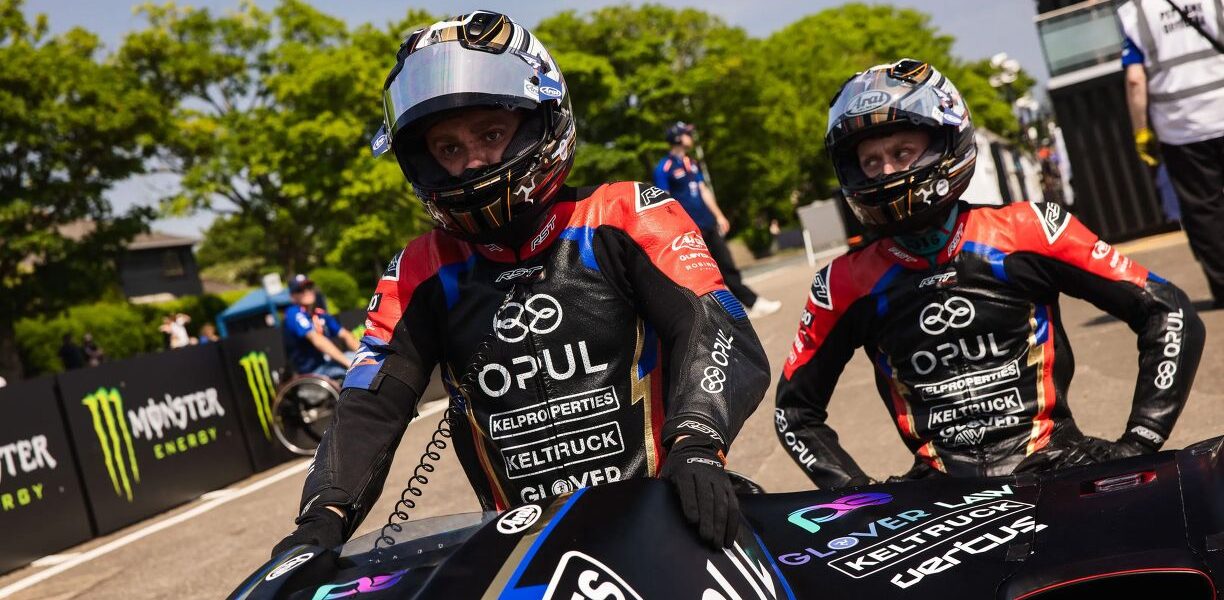
It wasn’t a sudden fit of conscience, you understand. This decision emerged from the cold, hard realities of flesh — and bone. First, on May 26th, rider Maria Costello and passenger Shaun Parker—two names already etched into the TT’s ledger of bravery—were flung from their machine during qualifying. Both were conscious, thankfully, but Parker suffered a litany of broken parts—chest, leg, arm, face—while Costello battled head injuries. They’re still mending. Barely 24 hours later, the crowd held its breath again as brothers Ryan and Callum Crowe, a formidable pair leading the pack, met a similar fate. They too landed in the hospital, albeit with less severe injuries, still considerable ones. These aren’t fender-benders. These are high-speed incidents on public roads, albeit temporarily closed ones, that frequently end in tragedy. Over 260 fatalities have occurred at the TT since its inception, a staggering figure that makes other motorsports’ casualty lists look like Sunday drives.
The organizers, an outfit accustomed to squaring grim statistics with roaring passion, termed it a “precautionary measure.” And it’s a hell of a precaution. Not since the war years or an actual animal epidemic (like the foot-and-mouth disease of 2001) has an entire competitive class been outright jettisoned mid-event. And yes, they’d even mandated a new restrictor plate this year for sidecars—an engineering tweak meant to *reduce* speeds and bunch up the field, ostensibly to improve safety. How’s that for cruel irony? The very mechanism intended to make it safer might have just complicated an already lethal dance.
Because, really, when you bring this whole wild spectacle up, you’re always weighing the incredible heritage against the terrible cost. “We wrestle with these decisions constantly, weighing decades of tradition against the immediate need to protect our competitors,” explained David Cretney, an Isle of Man government minister with deep roots in the island’s motorcycling culture. “It’s a deeply felt loss for the teams, but the optics, the plain human reality of repeated, severe injuries, simply couldn’t be ignored any longer.” His tone suggested a man torn between the island’s economic lifeline and its moral compass.
But the sentiment isn’t universal. “The TT is a gladiatorial event, not a church picnic,” bristled Gary Johnson, a veteran road racer and pundit who’s raced extensively at the TT, when reached for comment. “You sign up knowing the risks. Taking a whole class away, especially after introducing supposed safety measures—it feels like a gut punch to the essence of what this race is about. You don’t make something safer by making it less of itself.” Strong words, reflecting a fiercely held conviction amongst many who view safety regulations as dilutions of purity.
And it’s a purity understood, albeit from a distance, by enthusiasts globally, from Birmingham to bustling Karachi. The audacity, the raw human element—these are universal draws. The sheer, unfettered courage on display at the Isle of Man finds its parallels in other global contexts where sporting achievement is intertwined with peril, like traditional polo in Gilgit-Baltistan or extreme mountaineering in the Karakoram. But the calculus changes when a local government, or even a governing body, has to publicly reckon with a streak of severe incidents. The global spotlight is unforgiving. It asks: How much human sacrifice for the sake of entertainment or tradition? It’s a question that echoes in places far beyond this tiny island, anywhere extreme sport captures imaginations and government budgets. Because global fans, many watching on pirated streams in Lahore or Dhaka, still see a white-knuckle spectacle. But local politicians see liabilities.
What This Means
This sidecar suspension isn’t merely an administrative shuffle; it’s a tremor on the financial and reputational fault lines of the Isle of Man. The TT isn’t just a race; it’s the island’s premier tourism engine, pulling in tens of thousands of visitors each year who drop millions into local coffers. Losing a class, especially one with such a devoted following, means a dip in spectator numbers, a void in marketing, and potentially—crucially—a questioning of future sponsorship. Insurers, always watchful, might re-evaluate premiums across the board for what’s undeniably an outlandishly risky event. This move signals a profound shift, possibly a harbinger of more stringent safety overhauls across other classes in the coming years, fundamentally altering the raw, untamed nature of the TT. And it might have wider implications. Because if the world’s most notoriously dangerous motorsport starts actively self-regulating on safety after repeated incidents, what does that mean for other less scrutinized but equally high-risk extreme sports, even locally organized ones in less developed nations? It sets a precedent, one that whispers loudly about accountability when tradition collides violently with modern risk management. It’s an inconvenient truth, played out on the winding Snaefell Mountain Course, and it’s likely to rewrite more than just race schedules.