


Northern Paradox: Canada’s Green Veneer Cracks Amidst Global Energy Scramble
POLICY WIRE — Vancouver, British Columbia — The rainforest-kissed coast of British Columbia, long a postcard for Canada’s environmental aspirations, is bracing for a rather un-green reality....

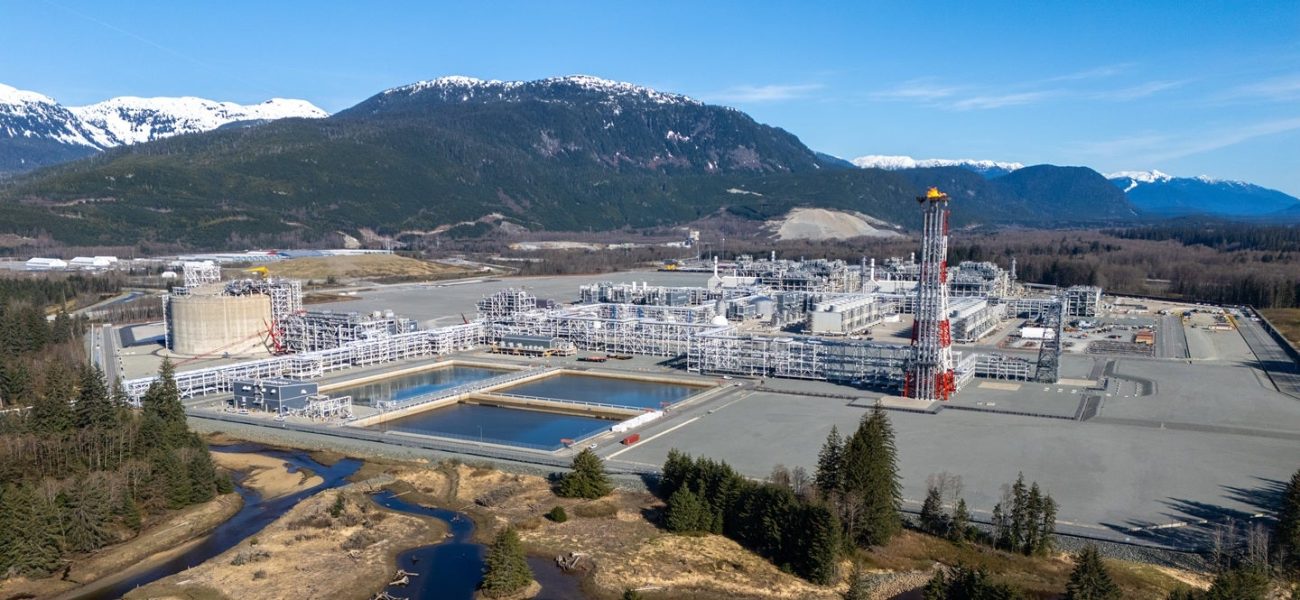
POLICY WIRE — Vancouver, British Columbia — The rainforest-kissed coast of British Columbia, long a postcard for Canada’s environmental aspirations, is bracing for a rather un-green reality. Forget the cuddly beavers — and vast pristine wilderness for a moment. This week, a less picturesque — but infinitely more lucrative — saga unfolded, casting a stark light on the nation’s tangled energy ambitions. While many gaze toward solar farms and wind turbines, Canada quietly cemented its future as a major global gas supplier, with the issuance of a ‘Limited Notice to Proceed’ (LNTP) for the second phase of the LNG Canada project.
It sounds technical, dry even, but don’t let the bureaucratic phrasing fool you. This isn’t just about some engineering blueprint; it’s about geopolitics, economics, and a stark contradiction at the heart of what many perceive as a climate-conscious nation. That LNTP, handed to a joint venture involving the behemoth Fluor, effectively green-lights the initial skirmishes of a colossal expansion. It sets the stage for a production capacity that’ll dwarf its current output, pouring more liquefied natural gas onto a world stage desperately hungry for it—and doing so for decades.
Because, despite the rhetoric of a swift transition, fossil fuels aren’t just clinging on; they’re expanding their dominion. The political calculations here are sharp, a cold economic logic triumphing over ideological purity. One provincial official, speaking on background, put it rather bluntly: “We can’t just turn off the lights because it feels right. Our allies need energy. People in our cities need to heat their homes. This project is a messy but absolutely necessary bridge.” You see the game, don’t you?
But environmentalists, bless their resolute hearts, aren’t exactly buying the ‘necessary bridge’ narrative. They call it a betrayal. Shannon Matty, spokesperson for Climate Justice BC, didn’t mince words, declaring, “This expansion isn’t just adding carbon; it’s locking us into decades of dependency on a fuel we should be phasing out. It’s an abdication of our climate responsibilities, plain and simple.” Hard to argue with the optics when you’re building more of what you promised to escape.
The geopolitical ripples of this move extend far beyond Canada’s pacific shores. Asia, with its ravenous energy appetite, stands as the prime market. Nations like Pakistan, grappling with chronic energy shortages and a rapidly expanding populace, are constantly on the lookout for stable, affordable energy sources. They’ve been buying heavily on volatile spot markets for years, and long-term deals from reliable suppliers are like finding gold. A consistent supply of LNG from a politically stable Canada could very well offer a degree of energy security that currently feels like a pipe dream for Islamabad’s planners, juggling everything from economic instability to geopolitical shifts in the global energy chessboard.
Global LNG demand, according to Shell’s LNG Outlook 2024, is actually projected to jump by over 50 percent by 2040. That’s a staggering figure, especially when you consider the supposed march towards renewables. Somebody’s got to supply that, right? And Canada, with its vast natural gas reserves and established infrastructure, sees itself filling that particular, rather lucrative, gap. It’s a shrewd, if cynical, move.
📄 POLICY WIRE WHITEPAPER PUBLISHED: PAKISTAN'S NATIONAL SECURITY POLICY PRIORITIES
👉 READ BY CLICKING HEREAnd yes, the optics are difficult. But look closer. It’s a calculated gamble on Canada’s part, banking on continued global demand for an energy source that, while fossil, burns cleaner than coal. It’s a pragmatic nod to the immediate needs of industrialized economies and developing nations alike, particularly those in the Muslim world like Pakistan, which routinely faces load shedding and industrial shutdowns due to power deficits. They don’t care as much about Canadian moral quandaries; they care about keeping the lights on — and factories running.
The second phase, if fully realized, would tack on another 7 million tonnes per annum (mtpa) to the facility’s existing 14 mtpa. This isn’t small potatoes; it’s a monumental undertaking. It brings jobs, tax revenue, — and a renewed sense of economic purpose to resource-rich regions of Canada. For the companies involved, like Fluor and its partners, it’s a significant win, cementing their engineering and construction dominance in the complex world of liquefied natural gas.
What This Means
This LNG Canada expansion isn’t just another infrastructure project; it’s a political bellwether. Economically, it represents a substantial long-term investment in Canada’s energy export capacity, promising billions in revenue and thousands of jobs. But it also locks Canada into a decades-long relationship with fossil fuels, despite its public commitments to aggressive emissions reductions. Politically, it signals a quiet concession to the realities of global energy supply and demand, often prioritized over domestic climate aspirations. It’s an implicit acknowledgment that the global transition won’t be linear—or quick. For nations like Pakistan, this move from Canada, albeit indirectly, translates to potential greater stability in their own energy mix, easing some pressure on their strained budgets and precarious grids. It reinforces the idea that energy security, especially amid current geopolitical instabilities and continued energy shocks, remains a paramount concern for every government, everywhere.