


Virginia Tragedy: A Family’s Lost Journey and America’s Uneven Road Safety
POLICY WIRE — Richmond, Virginia — The grand tapestry of family celebration, once anticipated with hushed excitement and long-distance phone calls, unravels on an impersonal stretch of highway in...

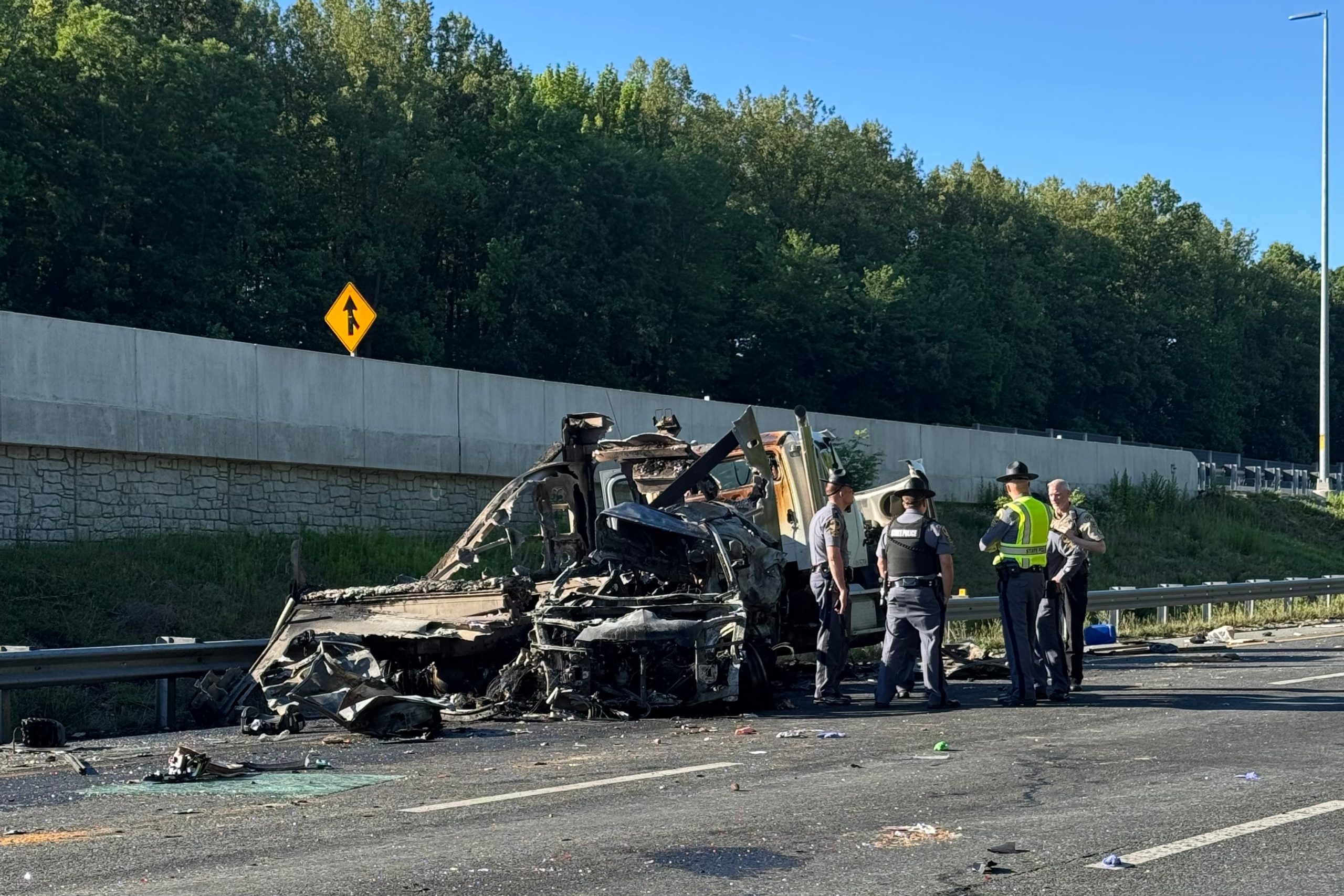
POLICY WIRE — Richmond, Virginia — The grand tapestry of family celebration, once anticipated with hushed excitement and long-distance phone calls, unravels on an impersonal stretch of highway in Virginia. It wasn’t the joyous chaos of a wedding that marked the destination for one family, but a sudden, violent end—five lives snuffed out, including parents and their two children, their hopes of unity tragically dashed. But their untold story, now reduced to a grim statistic and a bus driver’s charge, scrapes at a larger, more uncomfortable truth about America’s infrastructure and regulatory complacency.
It was a journey, we understand, born of connection, undertaken to witness a beloved union. This wasn’t some haphazard drive; it was a pilgrimage, the kind that binds communities and cultures, often over hundreds—even thousands—of miles. That four members of one family, likely planning to join festivities that symbolize enduring love and cultural heritage, could vanish so abruptly, speaks to a policy blind spot we’d do well to address. And then, there’s the driver, now facing charges, whose actions—or inactions—turned a route of passage into a path of unimaginable sorrow. [QUOTE_PLACEHOLDER]
Think about it. Folks, especially those in diasporic communities, rely on these often-cheaper, long-haul bus services. For many Muslim and South Asian families, extended weddings aren’t just local events; they’re cross-country, sometimes cross-continental affairs, bringing relatives together who might not see each other for years. This reliance makes the integrity of these transportation links—the condition of the vehicles, the sobriety and alertness of their operators—a matter of national policy concern, not just a localized traffic incident. We’re talking about trust, shattered into a million pieces on asphalt.
Reports are scarce on specific details surrounding the crash, but the broad strokes—a bus, multiple fatalities, a driver charged—paint a familiar, unsettling picture. Was it fatigue? Maintenance neglect? Or perhaps a fleeting moment of inattention with catastrophic results? The particular vulnerabilities of passenger vehicles carrying so many souls means their operations need to be scrutinized like aircraft. You’d think, anyway.
Consider the data. According to the Federal Motor Carrier Safety Administration (FMCSA), large truck and bus crashes resulted in 5,788 fatalities in 2021 across the U.S.—a chilling statistic that shows a definite uptick in commercial vehicle incidents over recent years. It’s not a matter of isolated bad actors; it’s a systemic hum, a low-grade fever in our transportation network that occasionally flares into deadly contagion.
This particular incident, devastating on a human scale, forces us to look past the individual tragedy to the broader systemic environment. It’s an American issue, sure, but also resonates keenly with families worldwide, many from Pakistan, India, or Bangladesh, who frequently navigate complex travel logistics and often face economic pressures that guide their choice of transport. For them, a multi-day bus trip isn’t a quirky adventure; it’s an economic necessity, a chance to be present for life’s biggest moments without breaking the bank.
These folks deserve safety, the same peace of mind we’d expect on a flight. Their wedding attendance shouldn’t come with this kind of gamble. And yet, here we’re, reeling from another devastating headline, another bus journey that ended not at a wedding hall, but at a morgue. We owe it to the memory of these five souls to demand better, to push for the kind of stringent oversight that makes such tragedies historical footnotes, not grim regularities.
It’s high time federal regulators stop merely responding to catastrophes and start preventing them, enforcing rules that truly protect. Because frankly, the current state of affairs isn’t just about driver accountability. It’s about an entire system, from bus company practices to federal oversight, that has somehow allowed such fragility to persist on our busiest roadways.
What This Means
The incident in Virginia isn’t just a grim police report; it’s a harsh spotlight on political — and economic realities. Politically, we’re looking at what appears to be a chronic under-enforcement of existing federal motor carrier safety regulations, especially concerning driver hours and vehicle maintenance. This tragic event should spur immediate, pointed inquiries into the FMCSA’s oversight capacity and congressional will to strengthen accountability across the commercial passenger transport sector. Is the agency equipped? Or are its teeth too dull, its reach too short?
Economically, there’s a brutal cost, extending far beyond the immediate damage. We’re talking about billions annually in accident-related expenditures—healthcare, property damage, lost productivity, insurance hikes, and legal fees. For families, the long-term emotional — and financial scars are incalculable. And then there’s the specific impact on communities, particularly immigrant and lower-income populations, for whom bus travel remains an affordable lifeline for long-distance family engagements, including culturally significant events like weddings. If these communities cannot rely on the basic safety of such transport, it represents a breakdown in equitable access and national cohesion.
this crash underscores how economic pressures can inadvertently create dangerous incentives. Cheaper tickets, faster turnaround times, extended routes—they all push against the margins of safety. If bus companies are operating on razor-thin margins, often catering to budget-conscious travelers, where do corners get cut? You don’t have to be a cynical veteran journalist to guess the answer. We’re seeing a familiar cycle of deregulation — and deferred maintenance leading directly to human catastrophe. It’s a sobering call for stronger policy interventions that prioritize human lives over profit margins—a debate that’s becoming increasingly urgent, not just in Virginia, but right across the nation, and certainly, in the context of global migration patterns, for communities reaching back to the shadows of Hindutva worldwide, where travel is essential for connection and cultural preservation. But what’s connection worth without safe passage?