

World Cup’s Unseen Elegy: Giants Fall, Geopolitical Ripples Ensue
POLICY WIRE — New York, USA — It’s not just a game, they tell us. And when it comes to the sprawling spectacle of the FIFA World Cup, that tired cliché suddenly bristles with unexpected truth....

POLICY WIRE — New York, USA — It’s not just a game, they tell us. And when it comes to the sprawling spectacle of the FIFA World Cup, that tired cliché suddenly bristles with unexpected truth. The 2026 tournament, bursting at the seams with 48 teams—a whole 16 more than just two cycles ago—promises a global fiesta. But look closer, beyond the celebratory banners. What you’ll find, or rather, what you won’t find, speaks volumes about a shifting world order, a bruising upset for national pride, and perhaps, a quiet reshuffling of soft power dynamics.
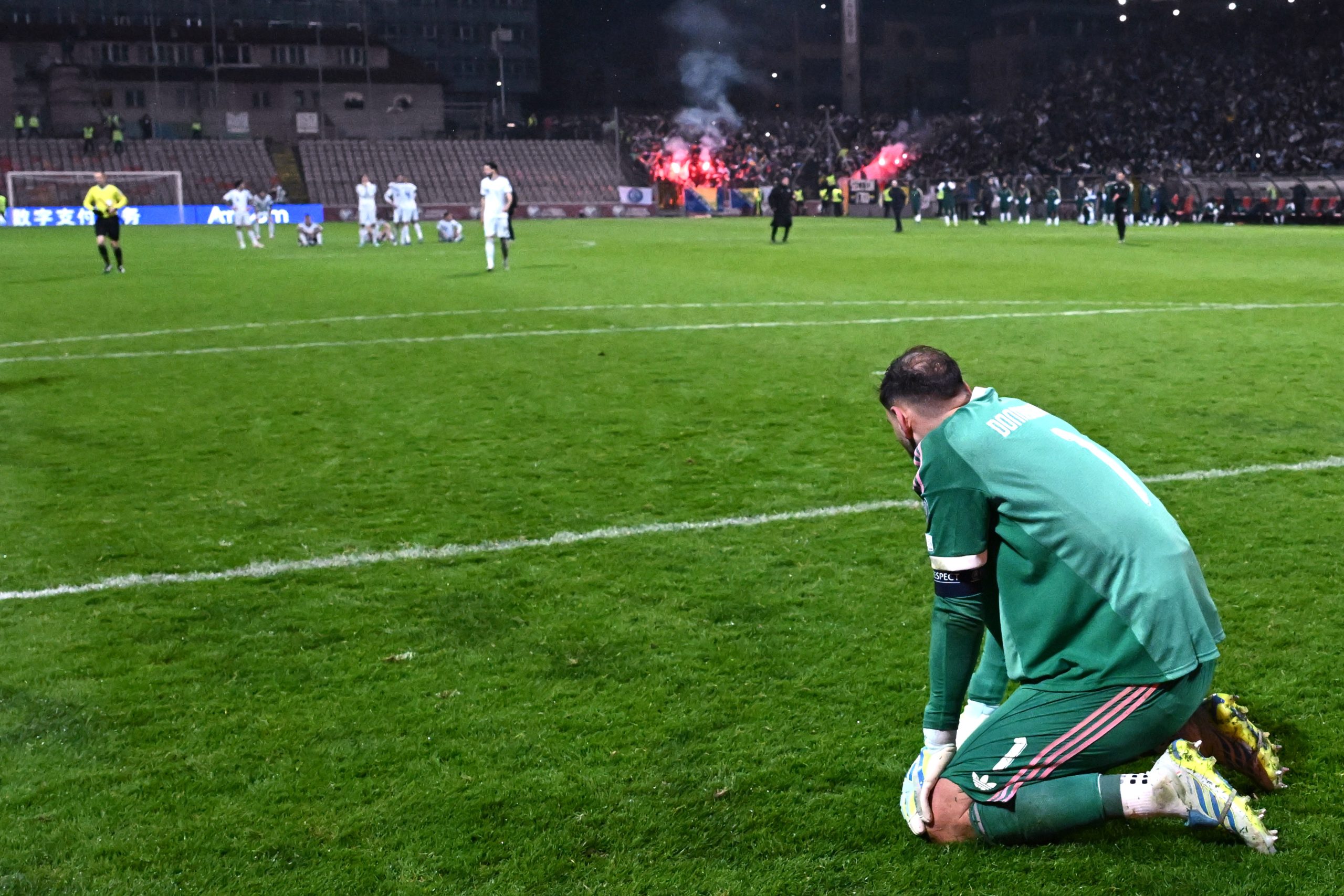
It’s the unexpected quietude of former titans that truly grabs you. Imagine a grand opera without its star baritone. That’s Italy, isn’t it? The four-time champions—four times!—haven’t seen a World Cup since 2014. That’s right, for the third consecutive cycle, the Azzurri are staying home. Their latest stumble came in the brutal UEFA playoffs. Down to ten men after Alessandro Bastoni earned himself a straight red in a desperate 41st-minute lunge, Italy watched a slim lead against Bosnia and Herzegovina evaporate. Then came the penalties, the cold lottery no one truly wins, where Bosnia bagged it, sealing Italy’s fate. It wasn’t an anomaly; it was a symptom of a malaise that runs deeper than any single missed kick. The weight of expectations, the constant national scrutiny – it’s a helluva pressure cooker. But they just can’t seem to cook.
And what about Poland? Robert Lewandowski, perhaps the greatest player in their history, netted a staggering 89 goals in 166 appearances. This 2026 tournament should’ve been his valedictory, a last roar on the global stage. But the Poles, too, stumbled in the playoffs, losing to Sweden. He’s 37 now, — and though he hasn’t officially called time on his international career, the murmurs are loud. Who honestly expects him to still be around in 2030, if Poland even makes it then? That’s a tough pill for a country that wears its footballing prowess as a badge of honor. Losing Lewandowski, a superstar, on this scale means more than just a depleted squad; it means a generation misses seeing its hero perform at the absolute pinnacle.
Far beyond Europe, the exclusions resonate just as fiercely. Costa Rica, a CONCACAF stalwart, a team that once topped a ‘Group of Death’ in Brazil 2014 (even beating Italy and Uruguay, for crying out loud!), will also be missing. Their undoing? A 1-0 loss to Haiti, of all teams, denying them what would’ve been a fourth consecutive appearance. And then there’s Africa. Nigeria, which had made three consecutive World Cups and six of the last seven, also saw its dreams dashed by penalty kicks, this time against DR Congo. Cameroon, the African nation with the most World Cup appearances—eight, count ’em!—likewise failed to make the cut, ousted by an added-time goal from DR Congo’s Chancel Mbemba in a subsequent playoff. That’s a brutal hit to regional pride. You don’t just lose a tournament spot; you lose face.
But FIFA’s not just thinking about the pitch. “The expanded World Cup offers more opportunities, fostering broader global engagement,” stated FIFA President Gianni Infantino in a recent digital press briefing. “It reflects the beautiful diversity of our sport.” Convenient, isn’t it? As some big names fade, others hope to rise. And the money, well, it still rolls in, no matter who’s playing. Speaking of money, viewership figures demonstrate the World Cup’s massive reach: the 2022 final alone garnered an estimated 1.5 billion viewers worldwide, according to FIFA.com. It’s a gold mine, pure and simple. For countries like Denmark, also eliminated in a penalty shootout against Czechia after a 2-2 draw, the sting is twofold: the athletic disappointment and the significant financial hit from lost tourism, merchandise, and global exposure.
“We’ve invested heavily in grassroots programs, in developing youth academies,” shared Gabriele Gravina, president of the Italian Football Federation, his voice strained during a recent interview. “To not see that culmination on the biggest stage… it’s not just a blow to the team, it’s a deep, deep disappointment for our entire nation.” And he’s not wrong. Nations aren’t just sending footballers; they’re sending ambassadors. They’re showcasing national spirit, attracting tourists, boosting local economies. Their absence leaves a tangible void, especially for expatriate communities eager to connect with their homeland’s fortunes.
What This Means
The sidelining of perennial powerhouses isn’t just a sporting anomaly; it’s a subtle geopolitical tremor. For nations like Italy, a sporting slump mirrors deeper questions of national identity — and global standing. For Poland, Lewandowski’s potential retirement marks the end of an era, coinciding with a complex period of regional security concerns and domestic political flux. The soft power generated by deep runs in the World Cup – the sense of national unity, the positive global media exposure, the branding opportunities – simply isn’t there for these nations. And yes, for emerging economies, for places like Pakistan, where cricket reigns supreme but football enjoys a passionate, if under-resourced, following, the spectacle still offers a tantalizing glimpse of what could be. Their football federation has been in a quagmire for years, but seeing a different crop of teams, some with less footballing history than Pakistan, on the global stage might, just might, fuel greater investment and ambition from state bodies and private enterprise in South Asia. The geopolitics of sports jerseys, as it turns out, goes well beyond fabric and branding. But it’s about much more than a new demographic or a ‘fairer’ tournament. It’s about national stories not getting told, about a narrative missing a few too many key characters. The price of panic in elite sports can often be unforeseen political and economic ripple effects. When Italy or Nigeria doesn’t play, it’s not just fans who notice; world leaders and economists take note of the missed opportunities for national branding and cultural projection.