

Desert Scapegoat: Small Plane Crash Scrambles Borderland Resources, Sparks Aviation Scrutiny
POLICY WIRE — SANTA TERESA, N.M. — It started, as these things often do, with an almost unremarkable thump in the Friday morning air—just another hum in the arid expanse outside El Paso. Then the...

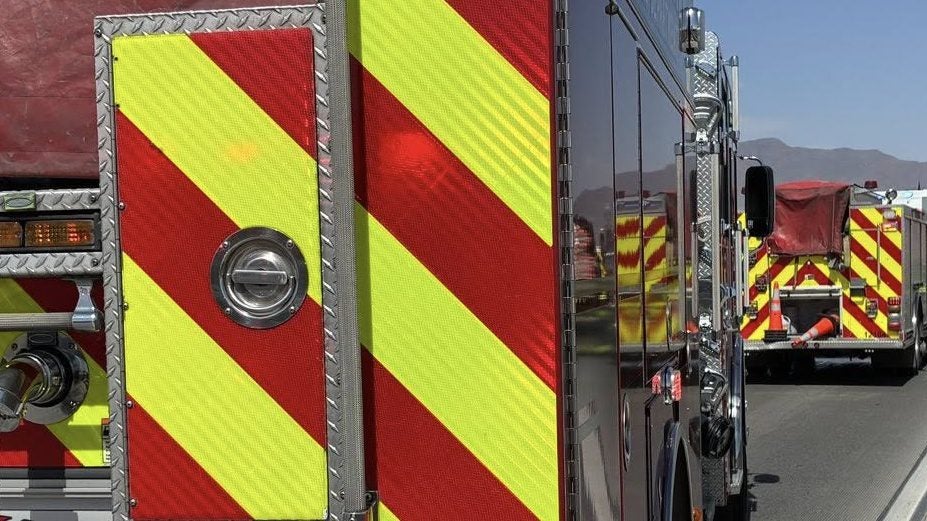
POLICY WIRE — SANTA TERESA, N.M. — It started, as these things often do, with an almost unremarkable thump in the Friday morning air—just another hum in the arid expanse outside El Paso. Then the call came in, shattering the pre-weekend calm across Doña Ana County: a small plane, Cessna-esque, had decided the ground looked better than the sky right at the edge of the International Jetport. Three people on board, all injured, one fighting hard to keep breathing. Suddenly, a mundane piece of local news became a stark, visceral reminder of how swiftly ordinary movement can morph into sheer, gut-wrenching emergency, especially in the raw, sprawling frontier lands.
Sunland Park Fire Chief Daniel Medrano knows this terrain intimately. He’s seen it all, or thinks he has, until something like this rolls across his dispatcher’s screen. “Look, every call’s different, but when a plane goes down, it’s never just ‘routine,’ you know?” he told Policy Wire, his voice a gravelly reflection of too many long nights. “You just hope you’re fast enough. These guys, they got lucky, real lucky, considering what we found.” He meant the twisted metal, the scorched earth, the immediate frantic assessment: who’s alive? Who’s stable?
It was around 10:57 a.m. when the alarm blared, pulling together a patchwork quilt of emergency responders: Sunland Park’s finest, El Paso Fire Department rolling over the state line, and Native Air’s rotors already chopping the air. One person, snagged by fate’s cruelest turn, went to El Paso University Medical Center in what officials deemed ‘critical’ shape. The other two, serious but stable, were whisked away for high-stakes medical attention, their immediate future dangling by threads of careful monitoring and advanced trauma care. Investigators still can’t quite nail down who was piloting the crippled craft—a question that usually falls quickly into place after such an incident.
But the lack of immediate answers, of that tidy narrative, only throws into sharper relief the bigger picture. This wasn’t some sleek jumbo jet making global headlines; it was a small piston-driven machine, the kind that whispers across vast stretches of land for personal pleasure or urgent, short-hop business. The Federal Aviation Administration (FAA) reports that preliminary NTSB data for 2022 recorded 1,061 general aviation accidents. While fatalities are typically associated with less than 20% of these incidents, every crash drains resources, sends ripple effects, and leaves folks asking uncomfortable questions about safety, infrastructure, and plain old human error.
And those questions hang especially heavy over places like Doña Ana County. This is border country, a geopolitical hotbed where civilian air traffic often brushes against military movements, where trade routes intersect migration corridors. Small planes here aren’t just toys; they’re cogs in a complex economic and social machine, sometimes used for legitimate cross-border commerce, sometimes for… well, other things. They operate in skies that, while regulated, often feel vast — and unpatrolled, far from the watchful eye of larger hubs. State Representative Elena Ramirez (District 33), whose constituents dot this very landscape, wasn’t pulling any punches. “This incident, while tragic for those involved, really does sharpen our focus on general aviation safety protocols, particularly in border-adjacent areas,” she stated pointedly. “We’ve got folks traversing serious distances out here, often for business, sometimes for pleasure. Safety’s gotta be paramount, no matter what.” Her sentiment echoed across the Chihuahuan Desert air, a thinly veiled call for more oversight, more caution.
Because ultimately, this inherent fragility, that raw desire to beat the clock or simply get where you need to be, it isn’t unique to the deserts of New Mexico. You see it, amplified, in the rugged mountains of Balochistan or the scattered communities across Pakistan’s remote North. There, too, small aircraft often defy treacherous conditions, sometimes pushing limits that even a skilled pilot in New Mexico wouldn’t touch. These planes ferry everything from supplies to dignitaries across landscapes where ground travel is either impossible or perilously slow, their safety often dependent on shoestring budgets and a good dose of luck, the stakes often impossibly high.
📄 POLICY WIRE WHITEPAPER PUBLISHED: PAKISTAN'S NATIONAL SECURITY POLICY PRIORITIES
👉 READ BY CLICKING HEREThere’s a subtle irony, isn’t there, in how quickly we accept the risks of everyday transit? But then a Cessna crumples, three lives hang in the balance, and suddenly the quiet, anonymous perils of small-time aviation get a flashbulb moment. This wasn’t a major carrier, but it’s still a crash, still a mess, still people’s lives upended. It’s an inconvenient truth that aviation, even the smallest kind, demands respect, vigilance, and resources, lest that low hum in the sky turns into an ugly crack, a sickening thud, and another story of what went wrong.
What This Means
This crash, small in scope but heavy in implication, kicks sand into the gears of regional policy. First, there’s the obvious logistical strain. Smaller airports, even international ones like Doña Ana, often rely on an amalgam of county, state, and often federal agencies to handle serious incidents. Such reliance can strain inter-agency coordination, especially in multi-jurisdictional border areas. What happens when two such incidents pop up concurrently? It’s not a hypothetical for emergency planners.
Economically, it rattles confidence in regional air travel. While a lone crash might not halt private jet sales, consistent incidents could spook entrepreneurs considering smaller aviation for transport, potentially impacting an airport’s utility and the region’s economic draw for certain types of business that value rapid, independent air access. That’s bad for local development, you know?
But the political fallout? That’s where it gets really murky. State legislators like Ramirez will face increased pressure to ensure tighter aviation safety guidelines or increased funding for ground infrastructure to reduce dependence on small craft for certain tasks. And the proximity to the US-Mexico border brings up an added, often unspoken layer: questions about air security, smuggling, and illicit cross-border activity that can – or can’t – exploit such smaller aircraft. Even when, as in this case, the incident appears wholly accidental, border-region events are invariably viewed through a national security lens. It’s the way things are here. Because in this high-stakes game of keeping borders safe, every crumpled piece of metal, every unanswered question, echoes far beyond the crash site itself. For similar global anxieties surrounding mobility and risk, consider the discussions around large-scale sports events.