


Washington’s Youth Brigade: Can Millennial Staffers Mend a Broken Capital?
POLICY WIRE — Washington, D.C. — America’s capital has, for years now, been a grand old mess. A place where legislative gears grind to dust, rhetoric replaces genuine dialogue, and grandstanding...

POLICY WIRE — Washington, D.C. — America’s capital has, for years now, been a grand old mess. A place where legislative gears grind to dust, rhetoric replaces genuine dialogue, and grandstanding often trumps statesmanship. It’s an arena largely defined by its immovable objects, — and we’re not talking about monuments. But tucked away from the cable news histrionics and the perpetual campaign cycle, something rather unexpected is brewing. A cohort of younger political hands—mostly still south of 40—are attempting what their elders, frankly, appear to have abandoned: seeking actual common ground.
This fledgling movement, informally tagged as ‘The New Pragmatists’ by some Capitol Hill watchers (and detractors), isn’t seeking headlines. It’s about finding cracks in the partisan wall and—shockingly—trying to patch them up. They’re staff, fresh-faced congress members, and even some senators, spanning the spectrum from staunch Republicans to progressive Democrats. They know Washington’s ossified systems better than most; they’re the ones actually making the legislative machinery whir, or, as it often feels, cough and sputter. [QUOTE_PLACEHOLDER]
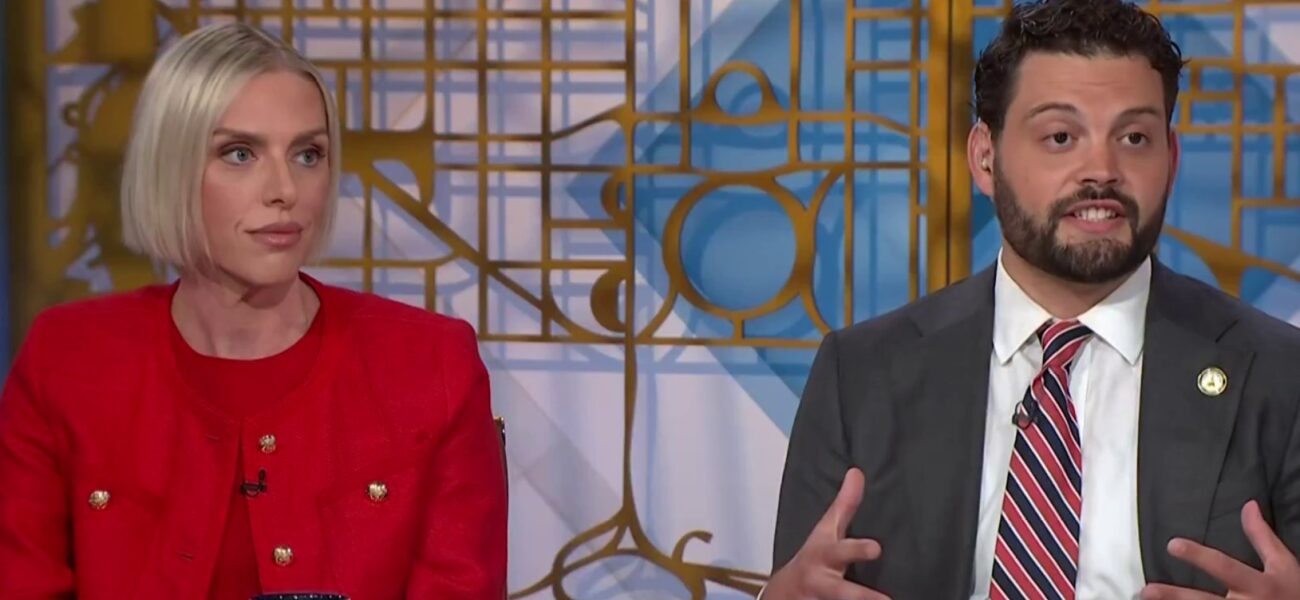
They’ve witnessed the consequences of perpetual stalemate, the gridlock that often stalls progress on issues Americans generally agree need fixing. And they’re not too keen on inheriting a totally dysfunctional apparatus. Senator Emily Chen (D-NY) and Representative Mark Jenkins (R-GA), both regarded as central to this quiet insurgency, recently delivered a joint press briefing. You don’t see many of those these days, do you? Chen underscored their collective mission, stating, “The current gridlock isn’t serving anyone, especially not the American people. We’re determined to show that collaboration is still possible.”
It’s a bold claim, especially when the political discourse outside these hushed rooms sounds like a permanent squabble. Jenkins chimed in, echoing a similar sentiment. “While our disagreements are profound, there are areas of mutual interest where we simply have to work together.” Hear that? “Have to.” It almost sounds like a grown-up conversation in a town famed for its interminable tantrums. This isn’t just wishful thinking; it’s a recognition of the operational imperative. Things won’t run themselves, not forever.
The sentiment these young guns are tapping into isn’t isolated to the Beltway’s backrooms. A Pew Research Center poll, for example, revealed a stark 77% of Americans now believe political leaders ought to compromise more. Think about that for a second. That’s a whopping majority just sick of the ideological rigidity. But young policymakers don’t do formal; they tend to gravitate towards informal channels. Many meet in less structured environments—’policy discussions over pizza’ is the term going around, a rather domestic image compared to the marble halls they work in. This isn’t just about legislative tactics; it’s about building actual, human relationships that can survive partisan heat.
They’re not just chatting about domestic minutiae either. Sources close to the groups confirm global matters often pop up, particularly the intricacies of drone policy in fraught locales like the Af-Pak border. It shows their awareness that America’s internal squabbles don’t happen in a vacuum. Pakistan, a nation grappling with its own internal divisions and regional complexities, observes Washington’s paralysis with keen interest. Our inability to forge a coherent, stable foreign policy impacts not just our allies but also our standing—and perceived reliability—in the wider Muslim world. The hyper-partisanship in Washington doesn’t just play badly at home; it broadcasts instability to Karachi — and Cairo.
📄 POLICY WIRE WHITEPAPER PUBLISHED: PAKISTAN'S NATIONAL SECURITY POLICY PRIORITIES
👉 READ BY CLICKING HEREAnd so, their goal seems simple enough: create functional pathways that transcend reflexive party loyalty. They believe, or at least hope, this can yield a more capable Congress, one actually fit for purpose for the next generation of Americans. The old ways? They aren’t working. It’s pretty widely acknowledged.
What This Means
The stirrings among Washington’s younger guard represent more than just idealistic banter; they might signal an incipient structural shift. Economically, prolonged political stagnation leads to legislative paralysis on key issues like infrastructure, fiscal reform, and trade—all of which dampen investor confidence and hinder long-term growth. When you can’t even agree on a budget, businesses get twitchy. A functioning Congress, one that could reliably pass legislation, even if imperfect, would inject a degree of predictability that markets crave. This pragmatic impulse, should it take root, could, over time, untangle some of the regulatory Gordian knots that stifle innovation and economic activity.
Politically, the implication is profound. The current ‘us versus them’ dynamic has fostered a generation of voters deeply cynical about government’s capacity to deliver. If young policymakers genuinely manage to build bipartisan bridges, even small ones, it could restore some faith in the system itself. This isn’t about ideological surrender; it’s about tactical compromise to achieve practical gains. For Pakistan and the broader Muslim world, Washington’s internal unity—or lack thereof—is constantly scrutinized. A more stable, coherent U.S. policy front, emerging from less polarized internal debates, would lend far more weight and credibility to American diplomacy, impacting everything from security alliances to humanitarian aid initiatives across the region. Imagine if US policy towards, say, the Strait of Hormuz wasn’t subject to radical swings every election cycle. That level of reliability is something other nations truly value—and it’s something American dysfunction has lately made elusive. It won’t be easy, or quick, but these aren’t the folks who think politics is simple. Artistic freedom is one thing, but governing is another.