

Caracas’ Agony: Venezuelan Quake Catastrophe Unearths Deepest Fault Lines
POLICY WIRE — CARACAS, VENEZUELA — The rumble came first, not as a distant thunder, but a subterranean groan. Then the jolt, sharp enough to wrench apartment blocks from their foundations and send...

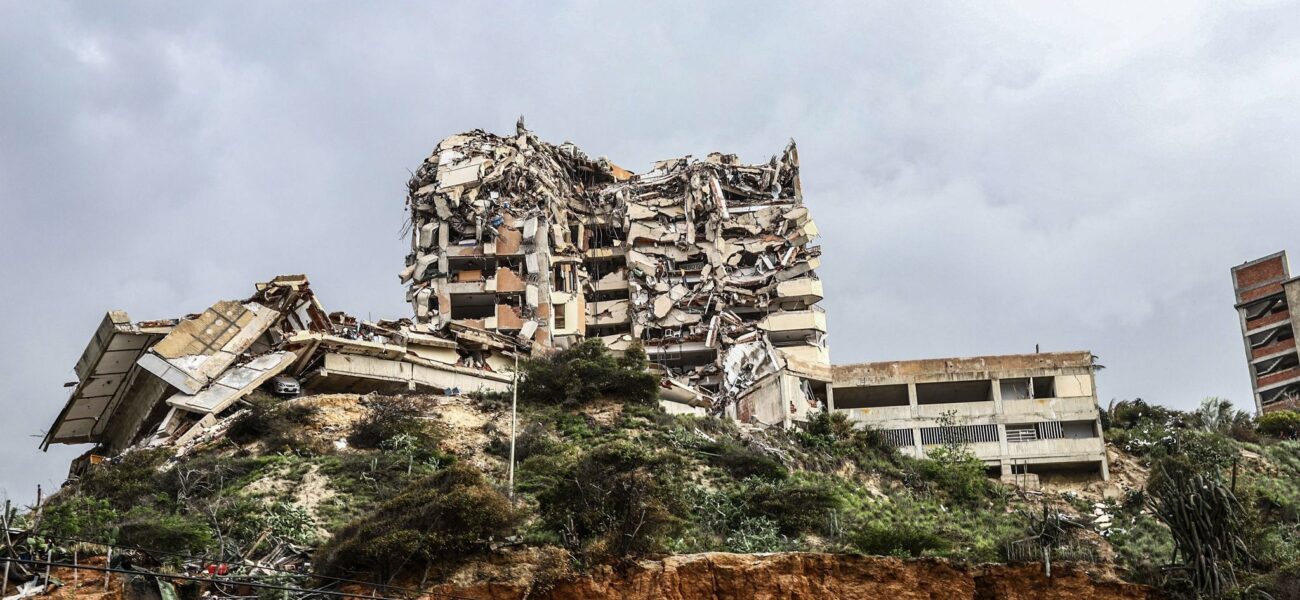
POLICY WIRE — CARACAS, VENEZUELA — The rumble came first, not as a distant thunder, but a subterranean groan. Then the jolt, sharp enough to wrench apartment blocks from their foundations and send mountainsides tumbling into already precarious villages. This wasn’t just a natural disaster; it’s a profound unraveling—a violent geological shrug that’s ripping apart not only buildings but the very fragile fabric of a nation already teetering.
Rescue efforts are chaotic, frenzied, — and brutally inadequate. Underneath the pulverised concrete — and twisted rebar, desperate whispers turn to silence. What was once the beating heart of Caracas, vibrant and cacophonous, now groans under an unnatural quiet, punctuated only by the mournful wail of distant sirens and the guttural cries of survivors.
But the numbers, they’re starting to come in, grim as fresh grave soil. Authorities, through what little communication infrastructure remains intact, concede the grim truth: the initial death toll for this catastrophe has now soared past the 4,000 mark. That’s 4,000 lives extinguished in mere seconds, families obliterated, futures cancelled. The nation is on its knees, literally — and figuratively.
It’s an apocalyptic scene. Makeshift morgues dot sports fields, overmatched doctors work in crumbling hospitals, and aid convoys, when they can even get through—roads are, frankly, a mess—are mobbed by hungry, bewildered masses. But where’s the international assistance? Sanctions, years of political isolation, and a domestic government struggling for legitimacy mean that the usual, immediate flood of global aid hasn’t materialized with the urgency this cataclysm demands. And for those poor souls trapped beneath the rubble, every hour is a slow torture, each passing minute another notch closer to oblivion.
The regime of President Nicolás Maduro, already navigating an economic ruin and widespread dissent, faces an existential threat far greater than any opposition protest. It’s an internal, visceral blow that exposes every weakness, every neglect. The ramshackle infrastructure, the chronic shortages of basic goods, the dilapidated health system—they’re all laid bare, cruelly magnified by the sheer destructive power of the earth. Citizens are [QUOTE_PLACEHOLDER], many complain, though you wouldn’t get a government official to admit it on record.
This isn’t just about rocks moving, see? It’s about how a nation, weakened by years of mismanagement and external pressure, responds when hit with the ultimate gut punch. Its ability—or inability—to pull itself up now will define its place in history. And let’s be real, the prospects don’t look stellar from where we’re standing.
Across the globe, in distant lands equally susceptible to nature’s wrath, the Venezuelan tragedy resonates. Pakistan, for instance, a nation scarred repeatedly by its own devastating earthquakes and floods—remember 2005 Kashmir or the epic 2010 floods that submerged a fifth of the country—understands this kind of visceral suffering. Sources indicate that Islamabad has quietly initiated efforts to gauge what non-financial aid, perhaps search and rescue teams or medical supplies, it could feasibly dispatch, provided logistical bottlenecks clear. This quiet diplomacy—a Muslim-majority nation reaching out to a South American pariah—highlights an oft-forgotten vein of humanitarianism that sometimes cuts through geopolitical rancor. It isn’t just about politics; sometimes, it’s just about shared agony.
📄 POLICY WIRE WHITEPAPER PUBLISHED: PAKISTAN'S NATIONAL SECURITY POLICY PRIORITIES
👉 READ BY CLICKING HEREBut back in Caracas, the grim calculus continues. The Venezuelan Red Cross, in a rare moment of transparent data sharing, reported that as of last Tuesday, an estimated 800,000 people were directly affected by the earthquake across various states, facing immediate needs for shelter, food, and medical attention. That’s a staggering human toll, an emergency that eclipses the government’s capacity to respond alone, or even in concert with limited allies. Because, let’s face it, many of the nations that could offer truly significant aid are those with whom Caracas has, shall we say, a rather frosty relationship.
Rescuers from neighboring Colombia and Mexico are starting to arrive, equipped with specialized gear and expertise, but their numbers are small. They’re dropping into a quagmire of collapsed buildings, ruptured pipelines, — and traumatized populations. The international community, often swift to react, seems to be moving with an unusual, agonizing hesitancy—a hesitance born, perhaps, from the complex web of Venezuelan sanctions and political sensitivities that makes direct engagement difficult.
And so, as the dust settles—or rather, continues to billow—the long-term impact begins to crystallize. The reconstruction effort will be monumental, a challenge that could easily bankrupt a country already reeling from economic collapse. But more immediate still is the sheer struggle for survival. Folks here? They’re tough, they’ve been through a lot. But even the toughest spirit bends under this much weight.
What This Means
This earthquake isn’t just a humanitarian catastrophe; it’s a political and economic tremor of epic proportions for Venezuela and its place in the world. Domestically, Maduro’s government, already hanging by a thread, will find its authority further eroded by its inability to cope. Every delayed rescue, every unsent truckload of supplies, every person still trapped under rubble amplifies the narrative of governmental failure. This could ignite fresh protests, potentially leading to increased instability or, conversely, a crackdown that solidifies the regime’s autocratic grip in the face of chaos. It’s a lose-lose proposition.
Economically, any semblance of recovery the nation might have been inching toward is now likely derailed for years. Essential infrastructure is crippled, oil production—the country’s sole meaningful export—could be further disrupted, and foreign investment will become even more elusive. The scale of the humanitarian need will also create an unprecedented strain, requiring billions in aid that won’t simply appear. Internationally, the disaster forces a delicate re-evaluation. While sanctions against Caracas are intended to pressure the regime, the humanitarian crisis they now inadvertently exacerbate could lead to calls for their temporary lifting, particularly concerning aid efforts. This presents a moral and strategic dilemma for Washington and its allies: how do you get aid to a desperate population without inadvertently propping up a government you actively seek to undermine? Nations like Pakistan, in their small, symbolic gestures, remind the larger powers that sometimes, human suffering trumps geopolitics. But for Venezuela, the future looks tragically grim; its internal struggles now etched into the landscape itself, like geological scars. The international community watches, some with genuine concern, others with a calculated detachment, but few can ignore the raw devastation that just swept through this resource-rich, yet increasingly desolate, nation. This sort of seismic activity can also affect nearby maritime shipping lanes—an economic impact rarely discussed until ports go offline. For instance, consider the challenges involved in moving goods across volatile regions, much like the complex ancient trade routes that shaped Southeast Asian dominance. Everything’s connected, one way or another.