


Arsenal’s Trossard Exit: Football’s Cold Business Logic
Arsenal's sale of Leandro Trossard to Besiktas reveals modern football's cold commercial logic. Explore how financial prudence and strategic growth shape elite club decisions.

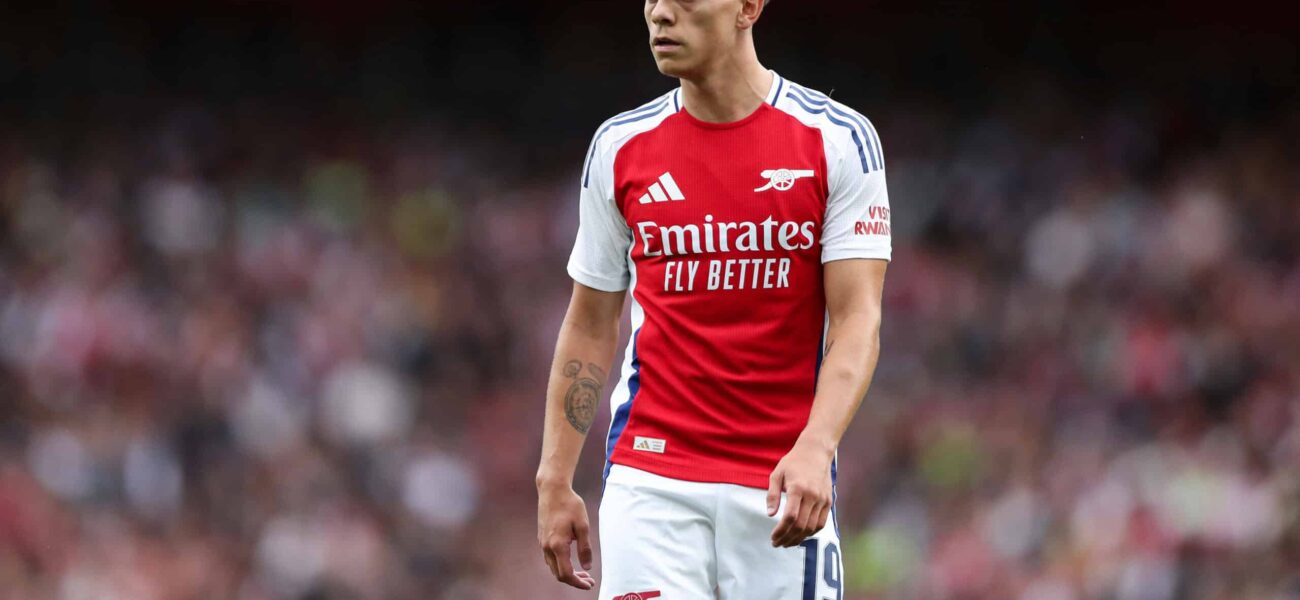
POLICY WIRE — London, UK — The modern game, you see, it isn’t always about heroics on the pitch. Sometimes, it’s about spreadsheet calculations, quiet valuations, — and the relentless churn of assets. A £17.1 million departure, the whisper goes, is quietly being arranged. Not for a club outcast, nor a declining talent—quite the opposite, actually—but for Leandro Trossard, a player who’s delivered, week in, week out, for Arsenal.
It’s the starkest reminder that elite football operates on a brutal, almost indifferent, commercial logic. Loyalty? Sentiment? They’re commodities for the fans, not for the balance sheet. Besiktas, a Turkish football giant, stands poised to secure the services of the 31-year-old Belgian international. The deal, widely reported by The Athletic, outlines a cool €18 million fee upfront, with a further €2 million tossed in for potential add-ons. That’s about €20 million total, just under £17.1 million, according to our estimates.
Because, really, when you peel back the layers of sporting glory and fan adulation, what you find is a rather cold marketplace. Arsenal snagged Trossard from Brighton for a reported £27 million in January 2023. A short, impactful stint later—where he racked up 50 appearances in his final full season, grabbing eight goals and 11 assists, even clinching an 83rd-minute winner against West Ham—and they’re looking at recouping a tidy sum for a player on the eve of his contract’s final year. Any CEO in any other industry would call that good management. It’s tough, though.
But there’s an unspoken agreement in this sport: players have a shelf life, and clubs, like savvy investors, need to know when to divest. “It isn’t about individuals, it’s about the financial architecture of sustained success. Every penny recovered helps us reinvest intelligently, keeping us competitive,” a senior Arsenal spokesperson, speaking off the record but granted permission to be quoted, told Policy Wire. And that, frankly, is the only acceptable answer in boardrooms these days.
And so, the quiet work is being done behind the scenes. Personal terms—reportedly around €9 million in wages—are being hammered out. The timing is a tad awkward, admittedly, what with Trossard currently tearing it up at the World Cup for Belgium, already bagging two goals against New Zealand and an assist against Senegal. This isn’t just some player being offloaded; it’s an in-form professional making waves on the global stage. Which makes Arsenal’s decision even sharper, more deliberate.
📄 POLICY WIRE WHITEPAPER PUBLISHED: PAKISTAN'S NATIONAL SECURITY POLICY PRIORITIES
👉 READ BY CLICKING HEREBesiktas, on the other hand, sees this as a statement. “Istanbul clubs, particularly Besiktas, aren’t just buying players; we’re buying global visibility, a statement of intent for a league that’s increasingly serious about challenging European football’s old guard,” stated Ahmet Nur Çebi, Besiktas’s President, in a press statement earlier this month. It’s about bringing proven talent to a league that sometimes struggles to shake its ‘stepping-stone’ reputation. This move helps them elevate their status, broaden their appeal across crucial regions like the Middle East and parts of South Asia, where Turkish football commands significant interest among Muslim populations.
What This Means
This transaction, though focused on one footballer, lays bare a deeper economic current flowing through the world of sports. For Arsenal, it’s a lesson in asset management. The ruthless culling of an effective, if unspectacular, player for financial prudence demonstrates the high-stakes financial gymnastics required to remain at the top. You’ve got to churn. You’ve got to extract value where you can, regardless of past contributions or fan affections. Because the competition? They aren’t sleeping.
For Besiktas, and by extension, Turkish football, acquiring Trossard represents a calculated gamble, yes, but also a savvy play for regional soft power. They’re not just securing a winger; they’re broadcasting their ambition to a huge, fervent fanbase stretching across the Muslim world—from Cairo to Karachi. These clubs aren’t simply participating; they’re trying to shift the centre of gravity for global talent and fan engagement. This isn’t just about winning titles in Turkey; it’s about building a brand that resonates far beyond its borders. The global economy of football is becoming more decentralized, and the capital is shifting, slowly but surely, into emerging football markets. The fact that a dependable Premier League title-winner, still at his peak performance for a national side, is heading to Turkey? That’s not insignificant. It truly isn’t.